resources
Family objects
A book carrying family inscriptions, a medal or a personal possession can reveal a different side of a public life. This selection brings together objects connected with Bram Stoker and his family, with their stories, inscriptions and links to the wider history.
Items may belong to private owners or institutional collections. Each published record identifies the holding collection where agreed and credits its images. An object’s presence here does not imply that it is owned by the Estate or available for loan.
A family copy of Dracula
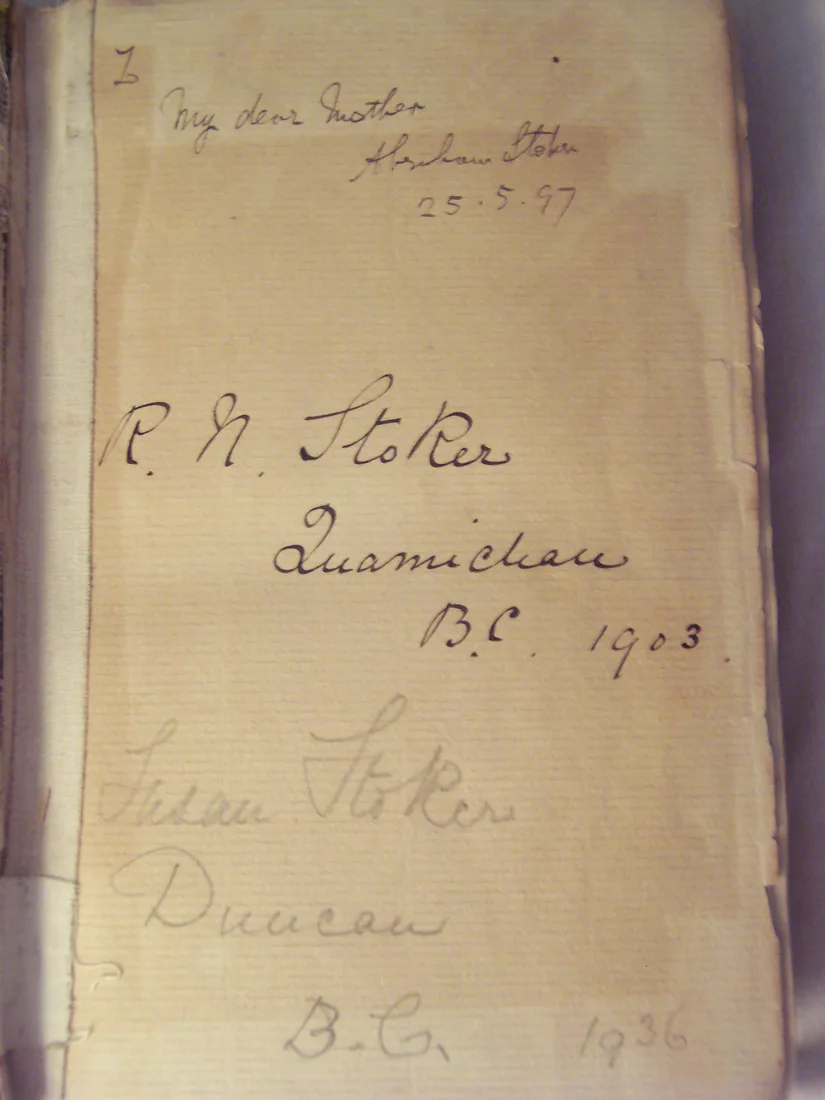
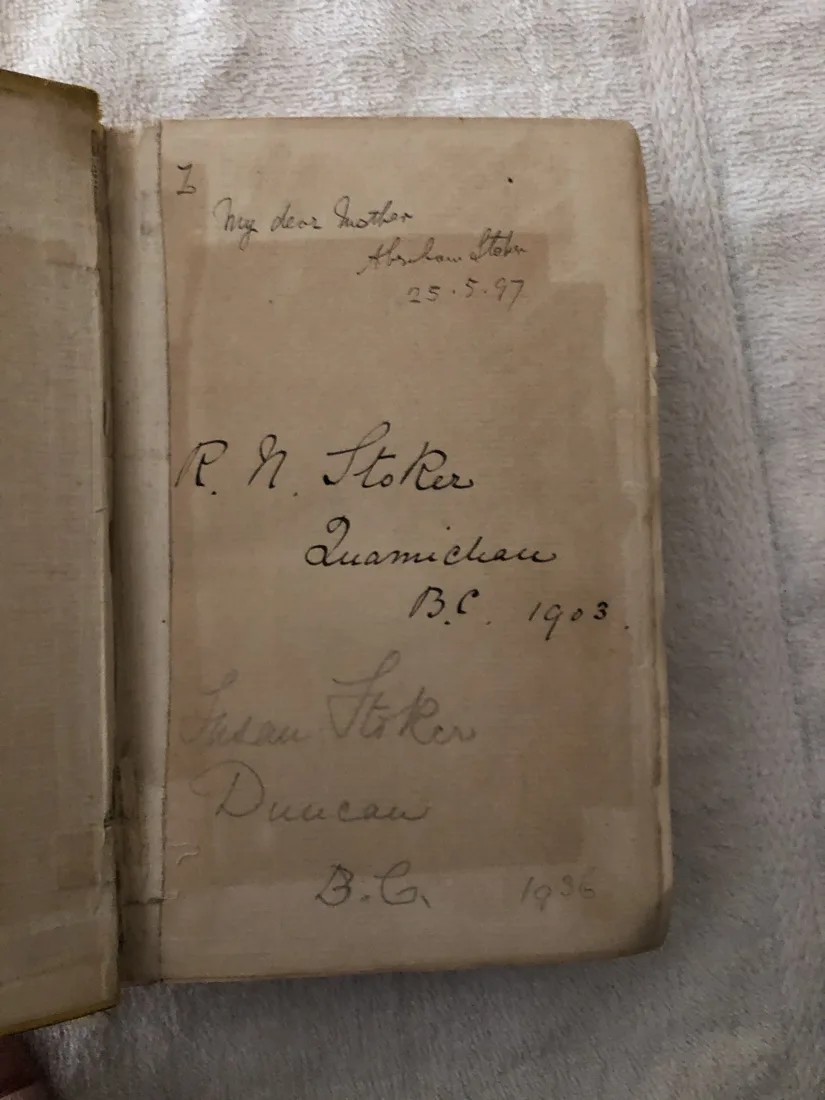
Family inscriptions turn a printed book into a record of its readers. The photographed copy of Dracula carries several handwritten entries, giving the book a history beyond its publication. The inscriptions should be read in sequence, with their dates and relationships established from the object and family records.
The Royal Humane Society medal and contemporary newspaper reports
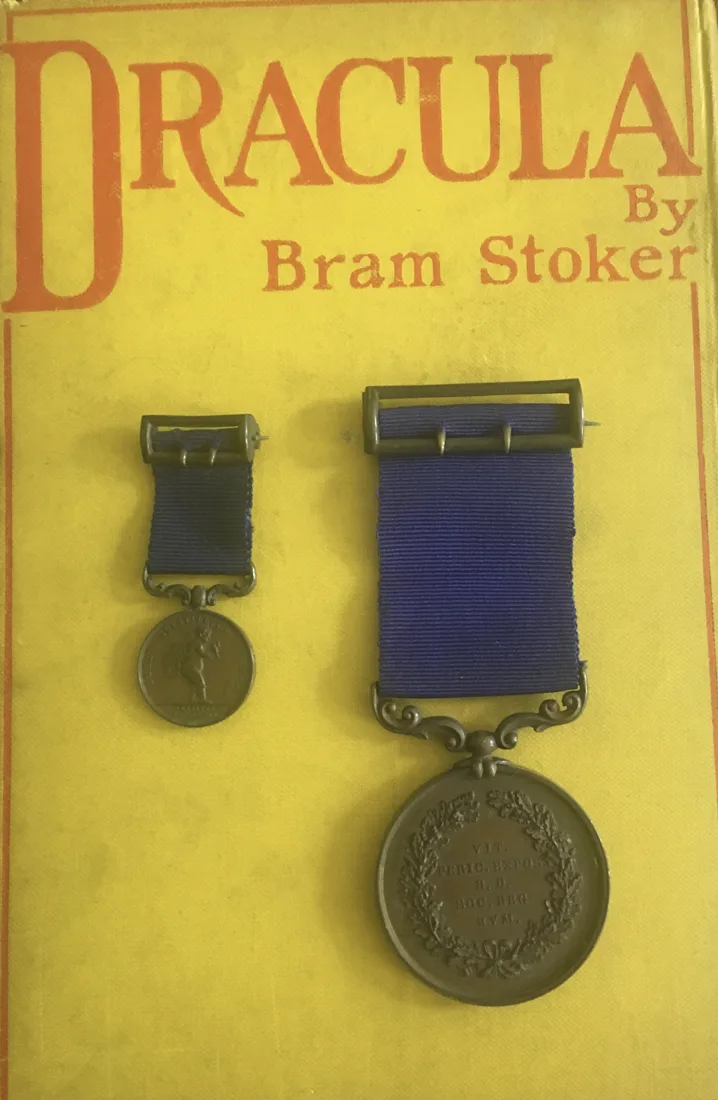
A medal turns an episode in a biography into a physical record. Bram’s award for a Thames rescue attempt belongs to the history of a man who acted beyond the theatre and writing desk. Its inscription and the Society’s citation can help establish what happened and how the action was recognised.
Bram’s son Noel Thornley Stoker describes the episode in his typescript recollection of his father. In Noel’s account, Bram jumped from a Thames steamboat on 14 September 1882 to recover an elderly fellow passenger. Although the man was brought aboard and taken to Bram’s home, attempts to revive him failed. Noel records that Bram received the Society’s bronze medal for his bravery.
Read Noel Thornley Stoker’s account, ending with the move around 1884
Transcribed from the supplied photograph of page 2 of “Bram Stoker, by his Son, Noel Thornley Stoker”. This extract ends before the following childhood recollections. Original wording is retained; line-break hyphenation is joined.
When they came to London, at the end of 1878, my Parents lived on the Top Floor of 7 Southampton Street, Bloomsbury. Some time before 1882, they moved to 26 Cheyne Walk, whence my Father used to journey to the Lyceum by Steamboat. On the Evening of Thursday the 14th September of that year, an elderly Fellow-Passenger, bent on Suicide, jumped off the Boat. Ignoring the strong Tide, my Father, without hesitating a moment, threw off his Coat and leapt in after him. Five minutes later, the Body had been got on board again. As Life was not apparently extinct, my Father had the man brought to his own House, but no Efforts could resuscitate him. For this Act of conspicuous Bravery, he was awarded the bronze medal of the Royal Humane Society, not being eligible for the Silver Medal, as Life had not been saved.
Henry Irving’s letter to my Father, on this occasion reads “Sunday. My dear Bram. Look out tomorrow morning. You’ll find yourself immortalised in the ‘Telegraph’, or I’m a Dutchman. It serves you right old man! H.I.” Unfortunately, the Recollection of a clammy Corpse in the Dining Room, made my mother take a Dislike to the House; and, in due course, they moved to 17 St. Leonard’s Terrace, Chelsea. This would be about 1884.
Noel’s recollection is presented as a family account. His explanation of the medal classes is his own wording.
The rescue in the newspapers. Noel also preserved Henry Irving’s teasing promise that Bram would find himself “immortalised in the ‘Telegraph’”. The illustrated notice below offers another contemporary response to the episode. It is an illustration, rather than a photograph of the rescue.
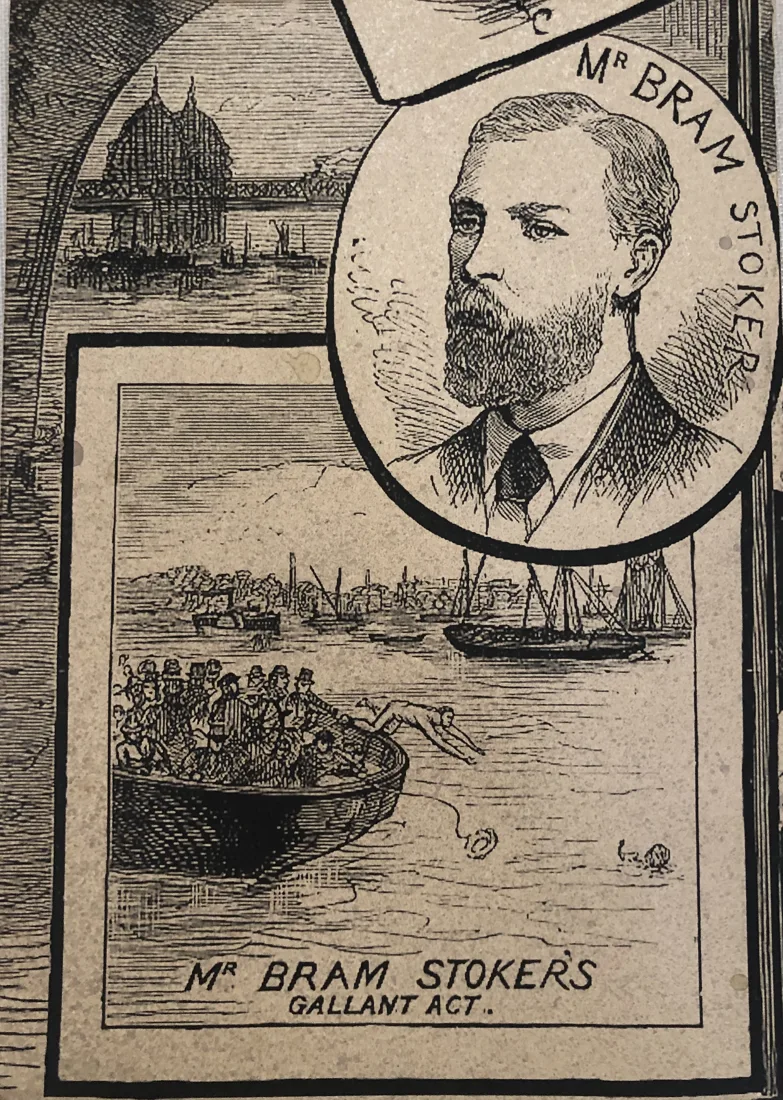
“Mr Bram Stoker’s gallant act” appeared in The Penny Illustrated Paper, 4 November 1882, page 296, as part of a feature on Royal Humane Society medal winners. See the bibliographic reference ↗
The Times report, 18 September 1882. The Royal Humane Society reproduces the contemporary inquest report in its 2012 annual report, page 23. It records Bram’s evidence that he jumped from the steamer to help the man and brought him back aboard, where attempts to revive him failed. The Society records the award of his bronze medal on 17 October 1882, case 21,808. Read the report reproduced by the Royal Humane Society ↗ (the Estate has been unable to find the Telegraph article Irving expected)
Bram’s watch fob and seal
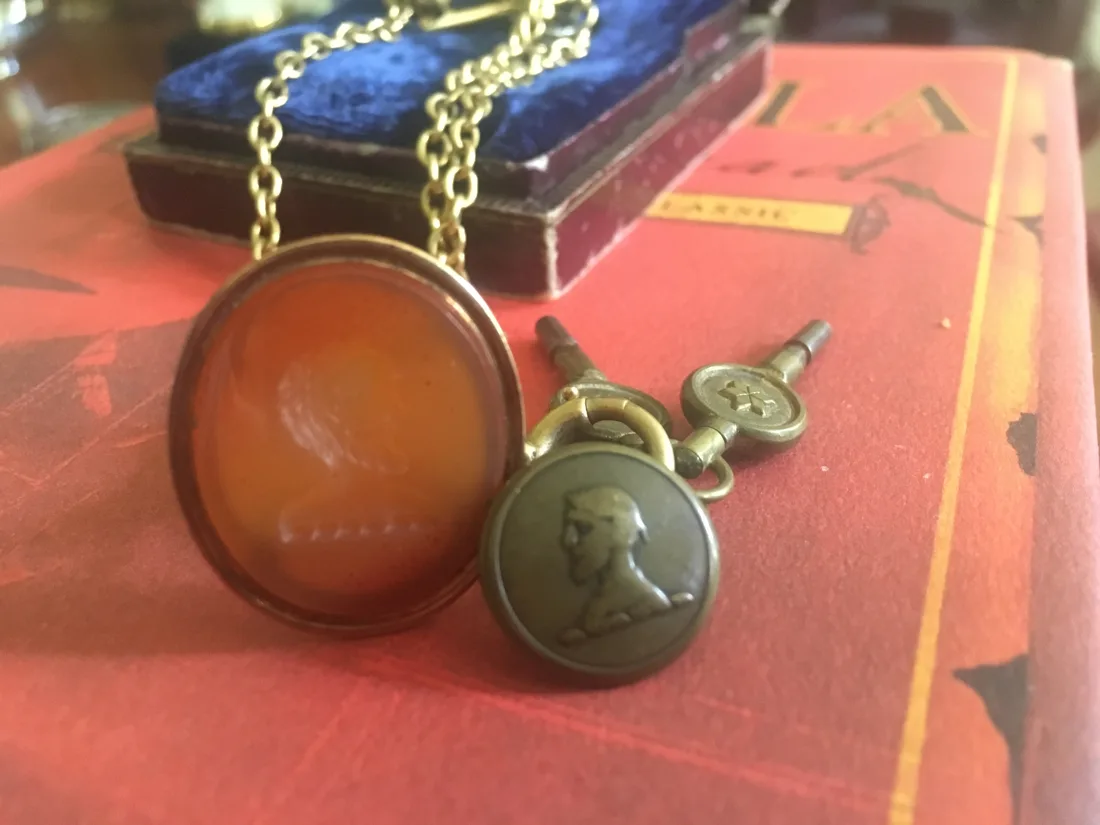
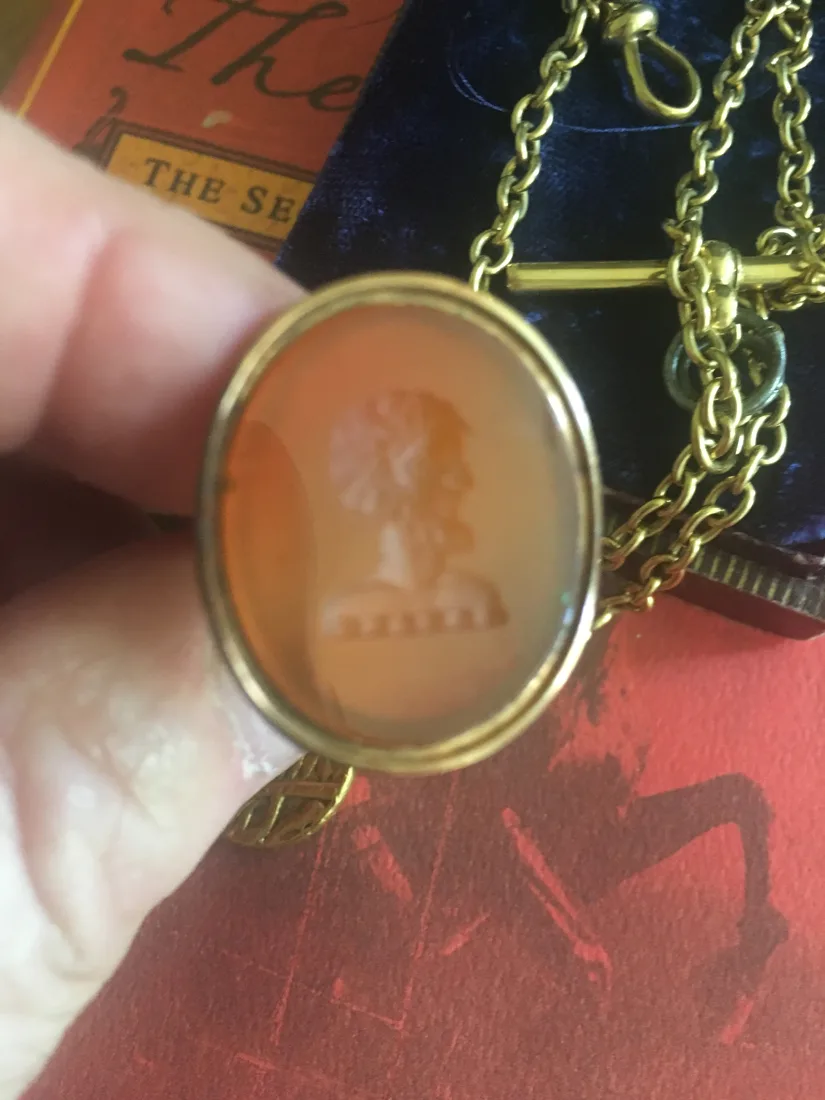
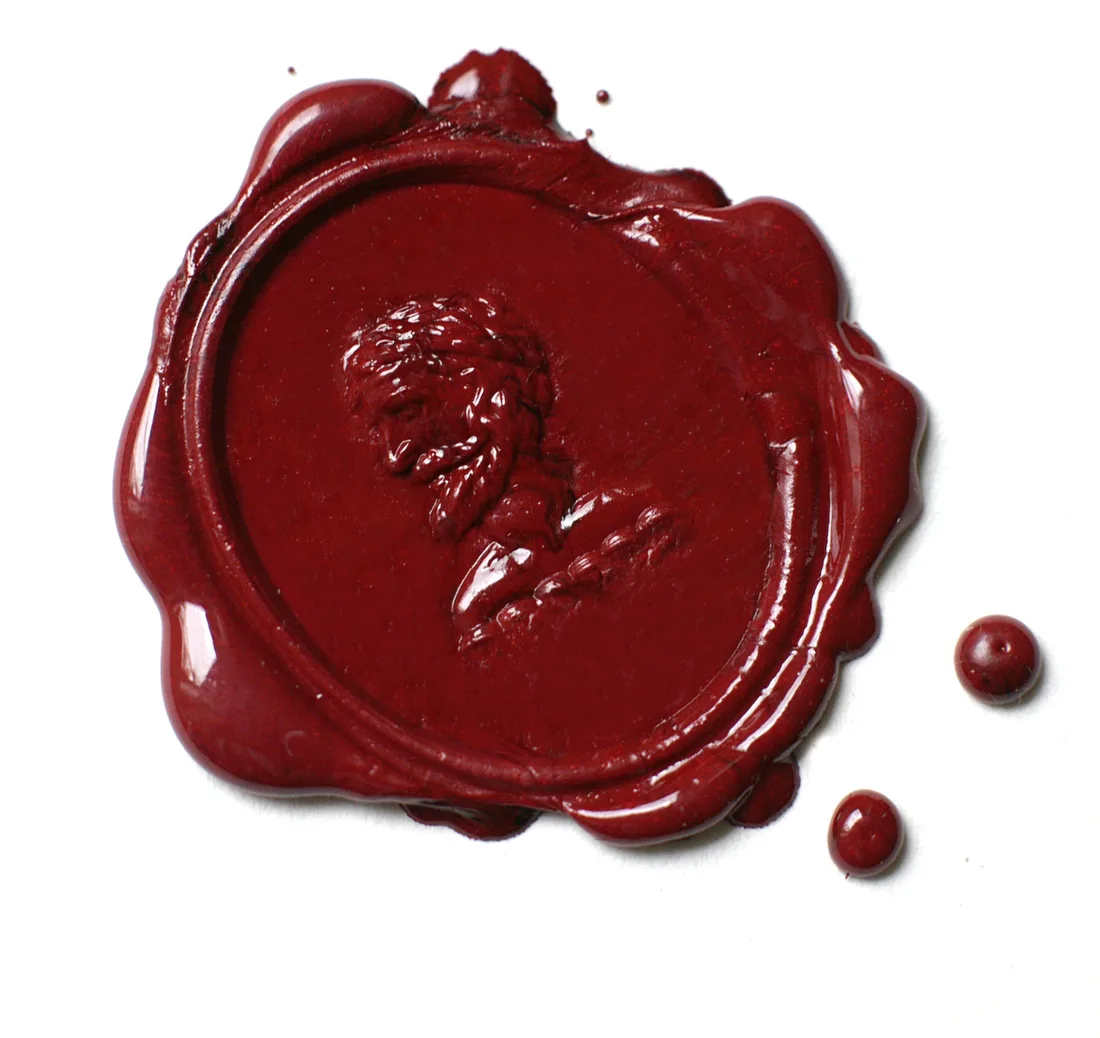
A watch fob, chain, keys and a carnelian seal bring Bram’s personal belongings into view. Close photographs show the engraved seal and its impression in wax, connecting a small object with the act of signing and sealing a document.
Dracula in sixpenny form
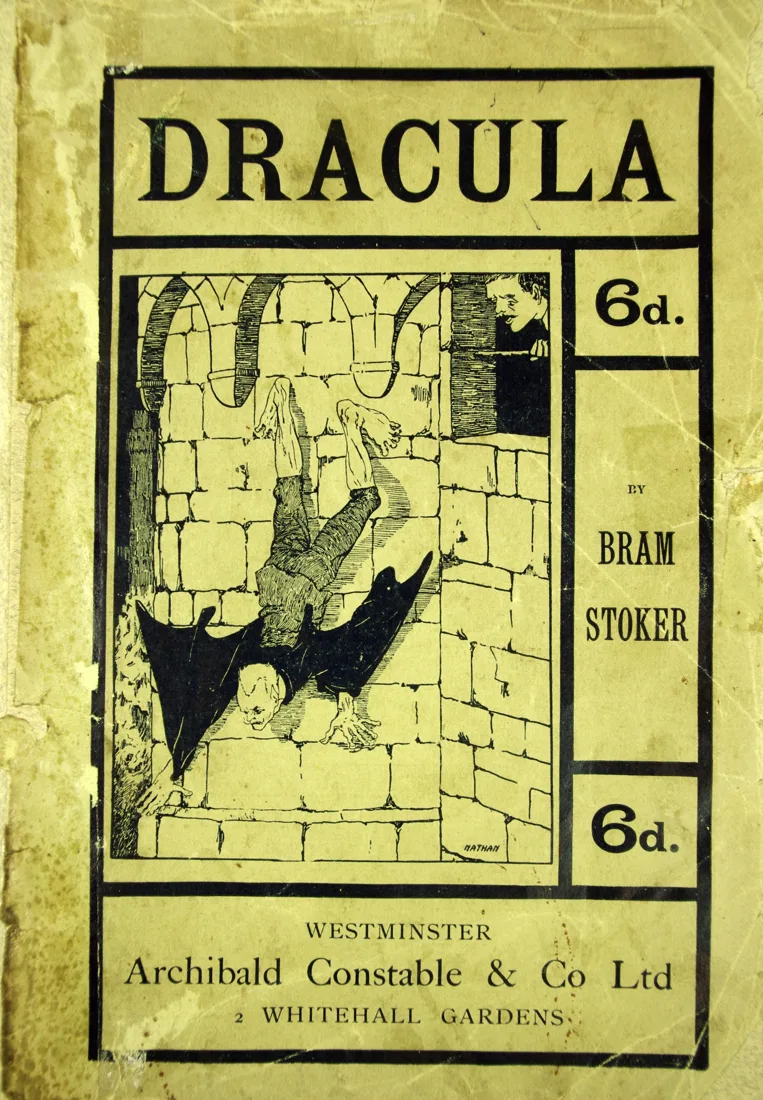
The sixpenny paperback shows Dracula in a cheaper, illustrated form. Its cover offers a different introduction to the Count from the yellow cloth of the 1897 edition. Comparing the editions opens a question about changing readerships and the ways a book is presented to them.
College medal and tankard
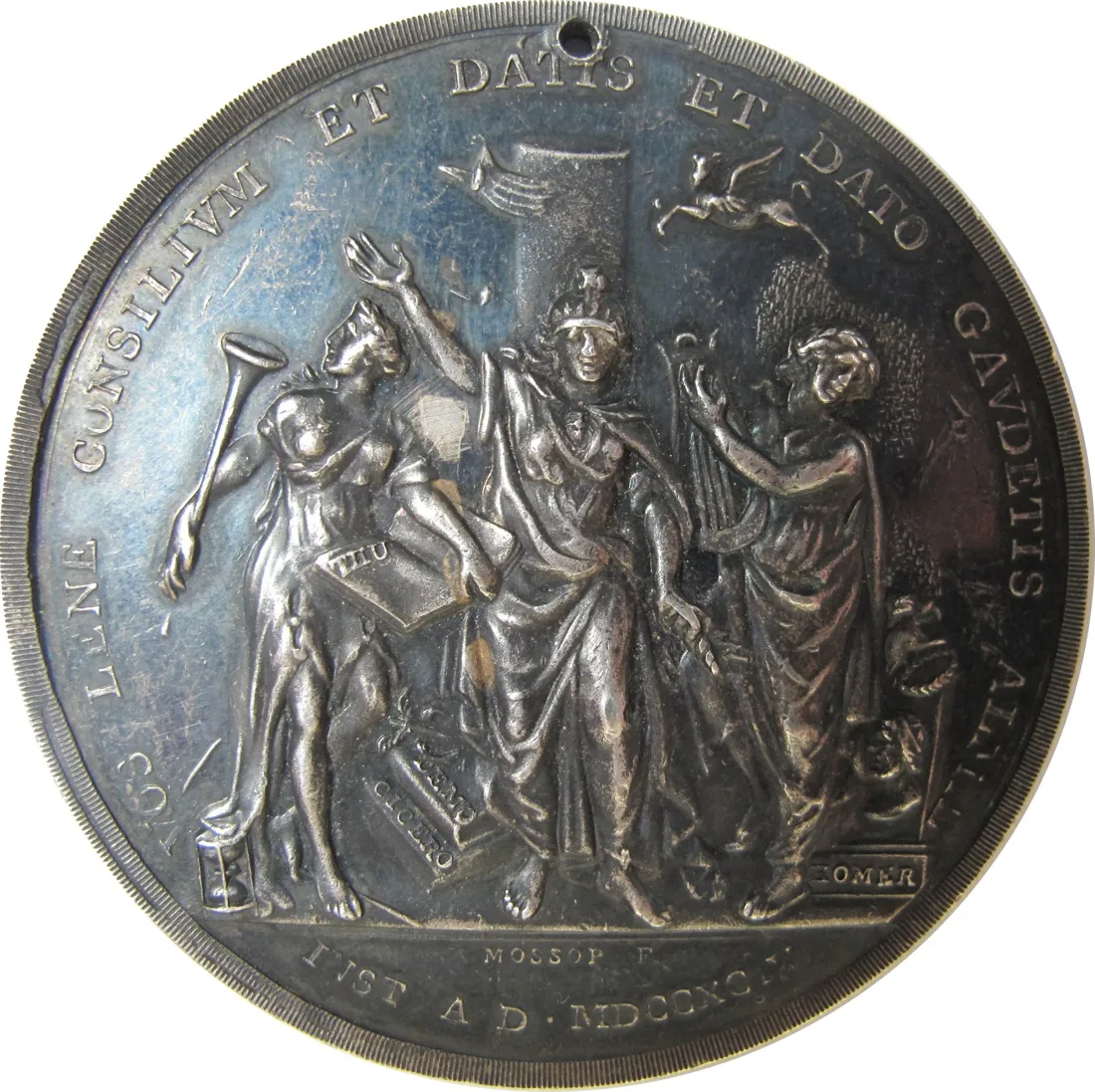
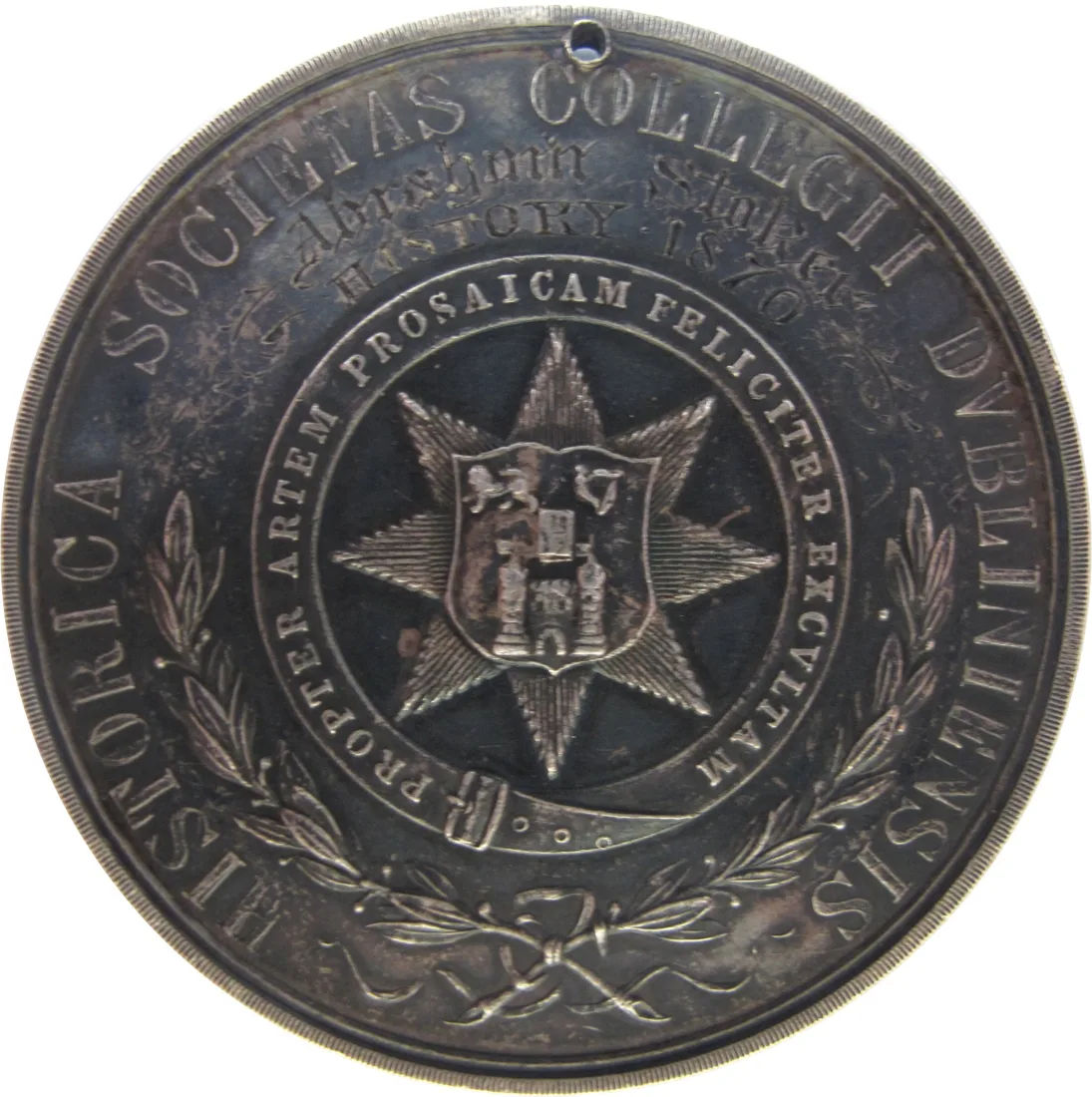
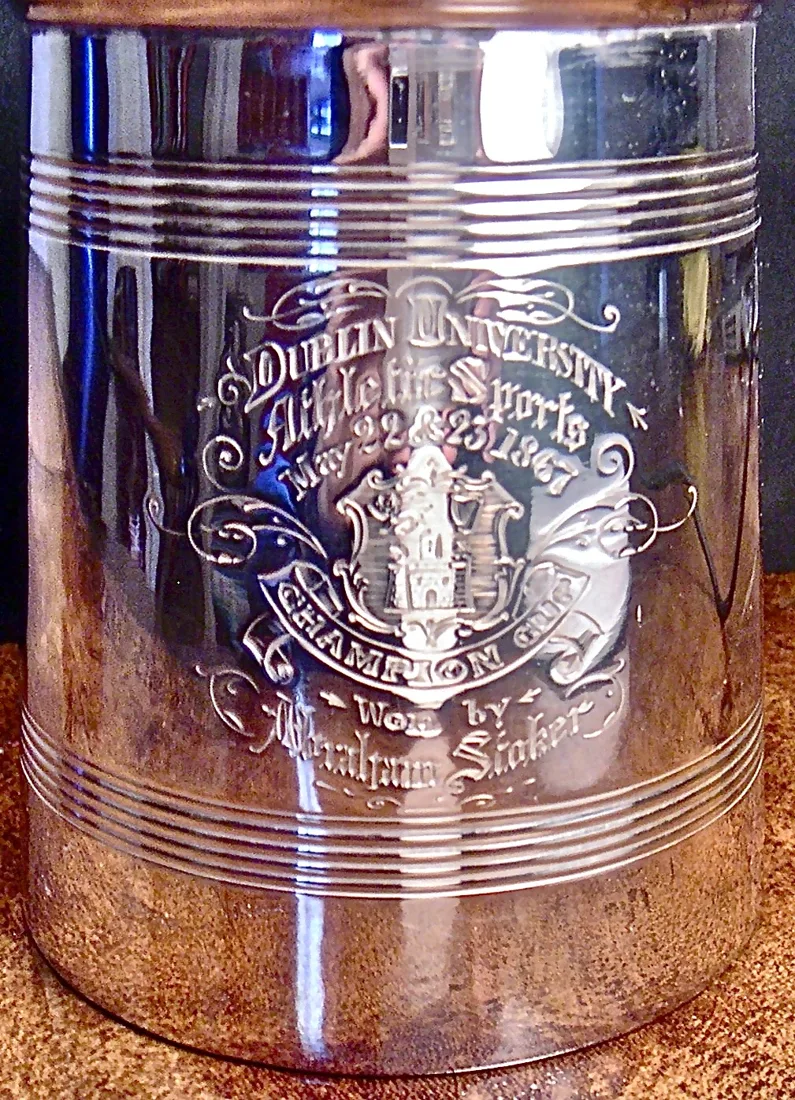
A medal and an inscribed tankard connect Bram with the life of the university beyond lectures and examinations. Read about his Dublin years. Their designs and inscriptions preserve evidence of the societies and activities in which he took part.
An inscribed Bible
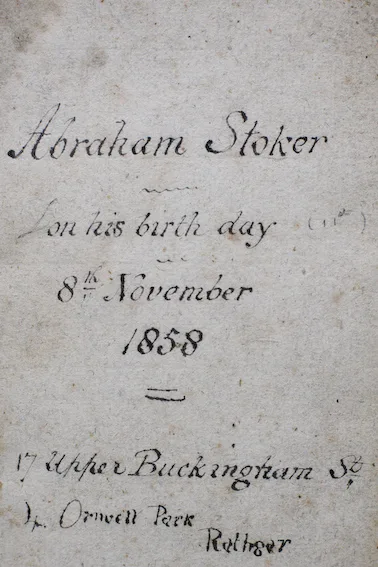
An inscription in a family Bible records Abraham Stoker’s name and a birthday: 8 November 1858 was Bram’s eleventh birthday. The handwritten entry connects a personal book with a moment in childhood; its wording and the book’s history should be read together.
Further objects to explore
Letters, a college medal, a trophy tankard and an inscribed Bible offer further ways to connect the writer’s work with the circumstances of his life. New records will be added as their histories and images are prepared.