
life
Charlotte Stoker
1818–1901
Charlotte Matilda Blake Thornley Stoker was Bram’s mother, a storyteller and a participant in the social debates of nineteenth-century Ireland. Her surviving writing gives her a voice of her own in the family’s history.
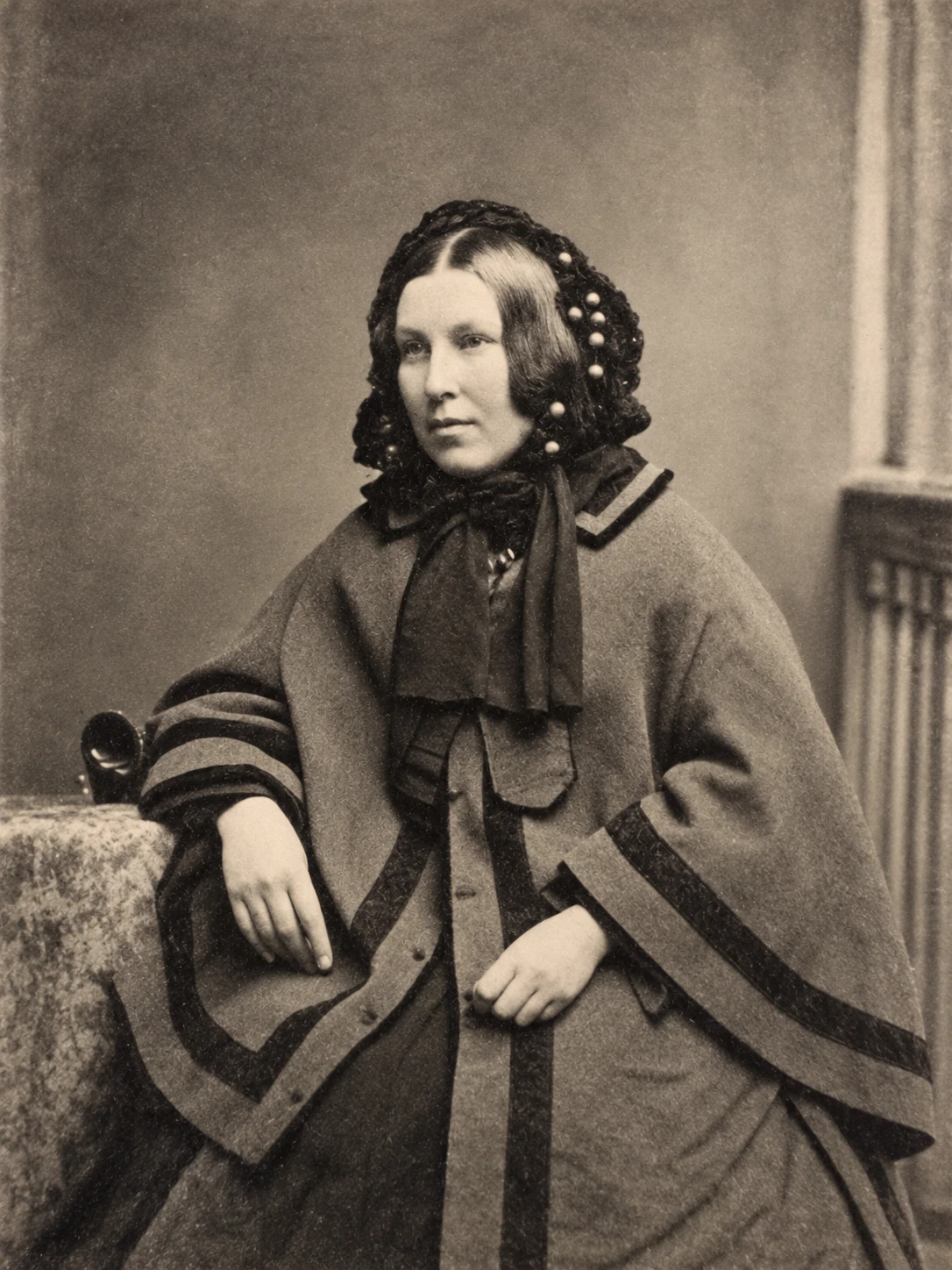
Charlotte’s family at Garracloon
Charlotte’s mother, Matilda Blake, came from the Blake family of Garracloon, near Cong in County Mayo, close to Lough Corrib. Matilda’s parents were Richard Blake and Eliza O’Donnell: Charlotte’s maternal grandparents and Bram’s great-grandparents.
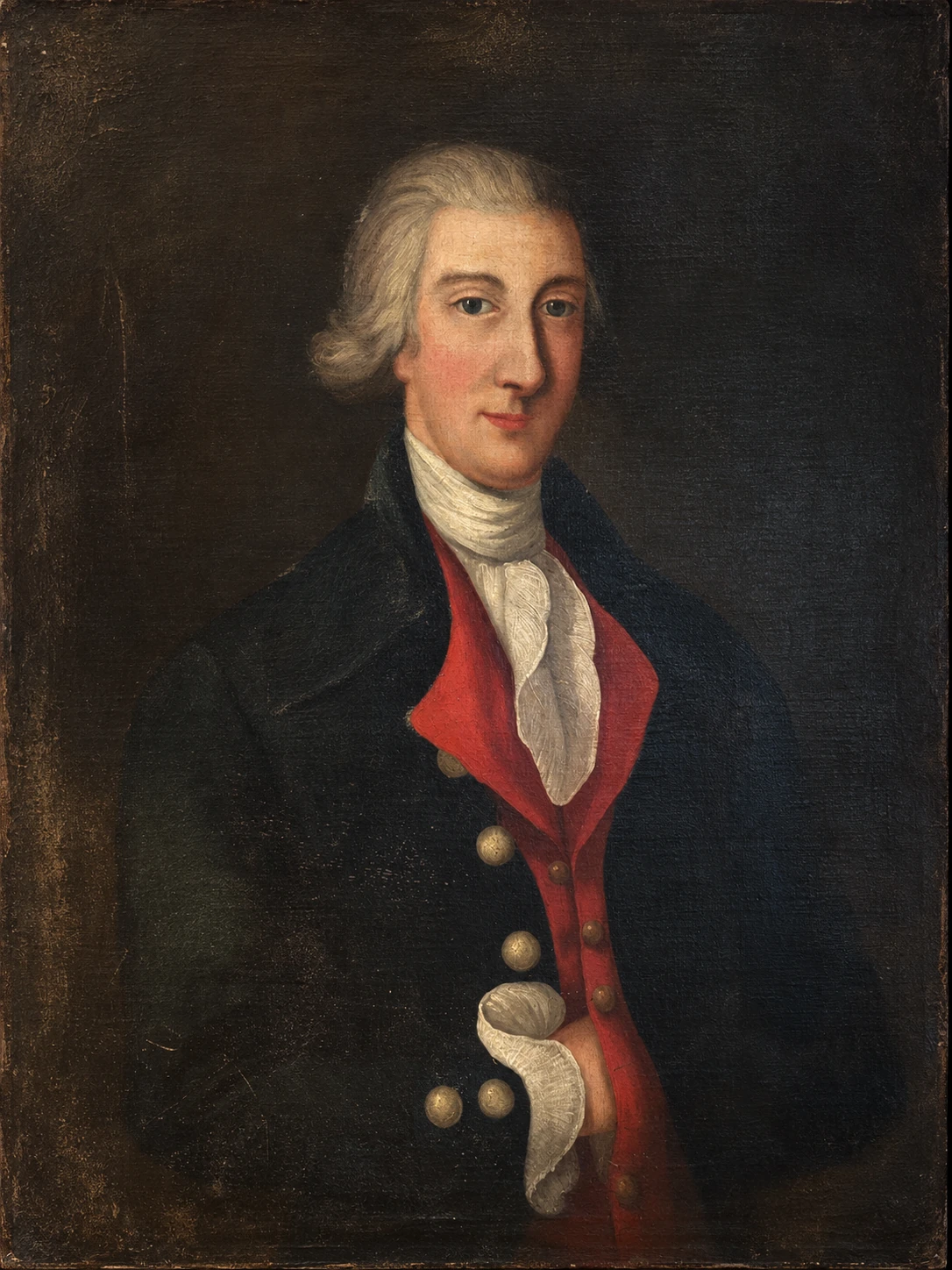
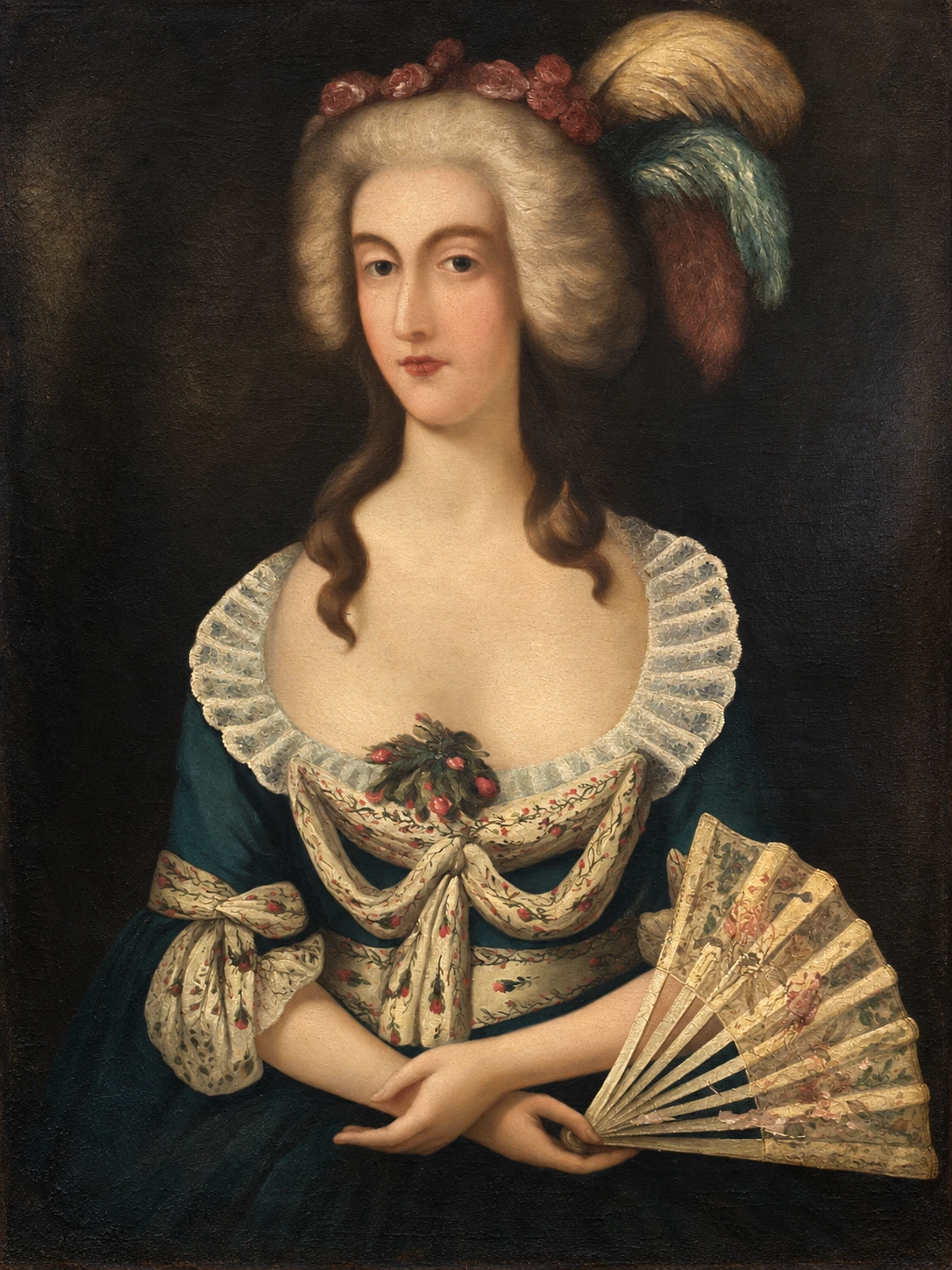
Family line: Richard Blake and Eliza O’Donnell → Matilda Blake → Charlotte Stoker → Bram Stoker.
Matilda’s brother General George Blake commanded Irish rebels alongside the French forces at the Battle of Ballinamuck, as part of the 1798 Rising. He was captured after the defeat and executed by hanging. George was Charlotte’s maternal uncle and Bram’s great-uncle. Family accounts also remember another brother, Richard, as the duellist “Pistol” Blake.
The Garracloon connection continued into Charlotte’s adult life. In 1855, she and Abraham Stoker were named in connection with an offer for sale of more than 200 acres there. This family background places Charlotte’s own story within the wider history of western Ireland, before we turn to the events she witnessed in Sligo.
Remembering cholera in Sligo
Charlotte was fourteen when cholera reached Sligo in 1832. Decades later, in 1873, she wrote down what she remembered: a town waiting for an unfamiliar disease, families shut inside their homes, businesses falling silent and death moving with terrifying speed. Her account is an adult’s recollection of an adolescent experience, not a diary written during the epidemic.
Charlotte’s recollection is dated Caen, 6 May 1873, in the heading of its later typescript transcription. That heading is typed, rather than a date confirmed in Charlotte’s own handwriting.
The value of that account extends beyond its possible relationship to her son’s fiction. It records fear, isolation and the strain placed on ordinary acts of care. Its vividness helps explain why later readers have heard echoes of epidemic anxiety in Dracula. The connection is persuasive as a reading; it does not allow us to assign every feature of the novel to a childhood story. Manuscript context and extracts.
Mother and reader
She remained an attentive reader of Bram’s work. In her letter of 1 June 1897, Charlotte welcomed Dracula with the words “My dear, it is splendid”. The surviving pages connect the author of a frightening new novel with a mother who had her own experience of fear, her own public voice and a keen interest in his success. Manuscript images and reading transcription.
A continuing connection
The publication following the rediscovery of Gibbet Hill supports the Rotunda Foundation’s Charlotte Stoker Fund for research into preventing acquired deafness in vulnerable newborn babies.
The family memorial
The memorial at Mount Jerome records Charlotte’s death and remembers Abraham, who died and was buried in Italy. Its inscription also names Emily and Sir William Thornley Stoker.
Read the memorial inscription
In memory of
ABRAHAM STOKER
who died in Italy Oct 12 1876 Aged 77
and lies in Cava de Tirrini
CHARLOTTE M. B. STOKER his wife
who died in Dublin on March 15 1901
in her 83rd year and is buried here
Here also lies EMILY, the most beloved wife
of SIR WILLIAM THORNLEY STOKER
who died Nov 19 1910 aged 67 years
And the above
SIR WILLIAM THORNLEY STOKER, Bart.
who died 1st June 1912
aged 67
Explore further
Read about Abraham Coates Stoker and Bram’s siblings and descendants. For Charlotte’s surviving correspondence, see the image-by-image reading transcriptions; missing and uncertain text is marked rather than reconstructed.
Sources
Marion McGarry, Irish Humanities Alliance, on Charlotte’s cholera account—Charlotte Stoker’s account, originally written in 1873, surviving here as an undated typescript transcription; Trinity College Dublin, Stoker Family Papers, MS 11076/2/3. Marion McGarry, Irish Humanities Alliance.
Charlotte Stoker’s 1863 paper, reading transcript – Charlotte Stoker, paper read 13 May 1863, On the Necessity of a State Provision for the Education of the Deaf and Dumb of Ireland.
Charlotte’s 1 June 1897 letter: Estate reading transcription and original images – Charlotte to Bram, 1 June 1897, first and last surviving pages, Estate images BSE-276 and BSE-273.