work
Dracula
Published in London by Archibald Constable on 26 May 1897, Dracula brings an ancient supernatural threat into a world of trains, telegrams, medicine and recorded testimony. Its 130th anniversary falls in May 2027.
The story
A young solicitor, Jonathan Harker, travels to Transylvania to help Count Dracula buy property in England. Hospitality turns to imprisonment as he begins to understand his host. When the Count reaches England, a circle of friends must piece together the evidence of a danger they scarcely know how to name.
The story moves between castle, coast and city. Its tension comes not only from the vampire, but from the struggle to recognise what is happening and act together. New readers can follow the introduction below without learning the ending.
Meet the characters
- Count Dracula – an aristocratic vampire whose apparent courtesy conceals his purpose.
- Jonathan Harker – a solicitor whose professional journey takes him into the Count’s power.
- Mina Murray, later Mina Harker – a skilled organiser of information whose work helps the group assemble the story.
- Lucy Westenra – Mina’s friend, whose mysterious illness brings the threat into the lives of those around her.
- Professor Abraham Van Helsing – a doctor whose learning crosses the boundary between scientific knowledge and older beliefs.
- Dr John Seward – a doctor and recorder of events, working at an asylum near one of Dracula’s English properties.
- Arthur Holmwood and Quincey Morris – Lucy’s friends and suitors, drawn into the struggle alongside Seward.
- R. M. Renfield – Seward’s patient, whose behaviour and words offer disturbing clues.
A story assembled from evidence
No single narrator tells Dracula. Diaries, letters, newspaper reports, a ship’s log and accounts recorded on a phonograph bring its events together. Characters know different things at different times. Mina’s work arranging their records helps turn separate experiences into a shared understanding.
Reading the novel means joining that investigation: dates, journeys and fragments matter. The modern tools that preserve information sit beside traditions that seem to belong to another age.
Ways to read Dracula
The novel invites different readings. Science and medicine offer ways to investigate danger, while religious belief and folklore supply other forms of knowledge. Its women act within, and sometimes challenge, the expectations of their society. Travel, borders and the fear of an outsider give further material for discussion. These are questions to explore, not a single official interpretation. Critics have read the novel in many ways; some of the best-known readings are summarised below, with the scholars who proposed them. The Estate does not endorse any one of them.
Read or listen
Read the original novel through Project Gutenberg or from many publishers, or choose an annotated edition from the Bibliography for background and explanations. When listening, check whether an edition reads the complete novel or adapts it into a drama: each offers a different experience.
Reading with others, or starting the novel for the first time? Reading Dracula offers a short reading guide and discussion questions, with the ending discussion kept separate.
What inspired Dracula
How did Bram imagine Transylvania without visiting it? Explore What inspired Dracula in Resources for his source books, places, research and surviving working notes.
From The Un-Dead to Dracula
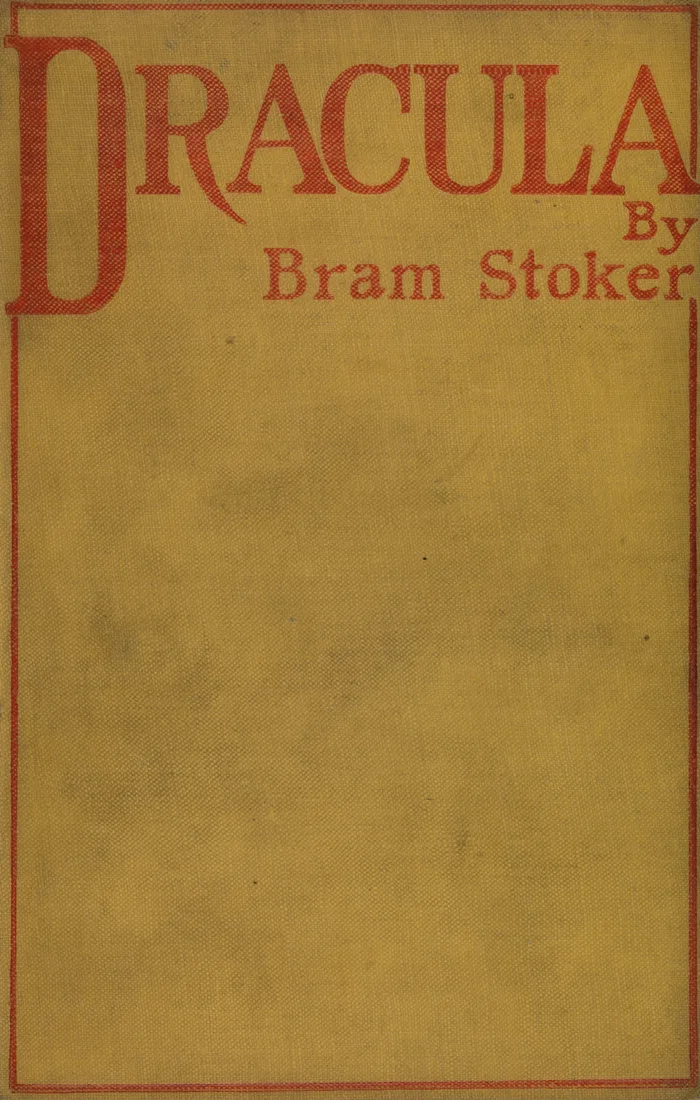
The typescript sent to the publisher bears Bram’s handwritten original title, The Un-Dead. On 18 May 1897, a week before publication, he staged a one-off reading of Dracula: or The Un-Dead at the Lyceum to secure the stage copyright. On 26 May, 3,000 copies in yellow cloth lettered in red went to the bookshops, priced at six shillings.
The novel was dedicated “To my dear friend Hommy-Beg” – Hall Caine.
Reception
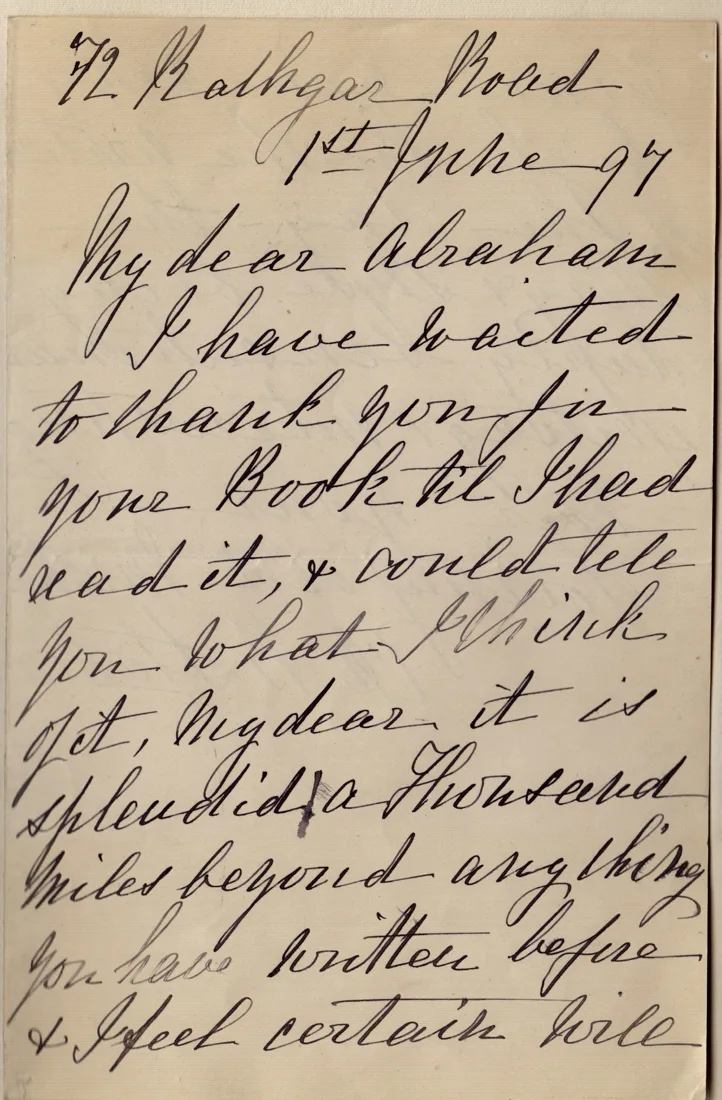
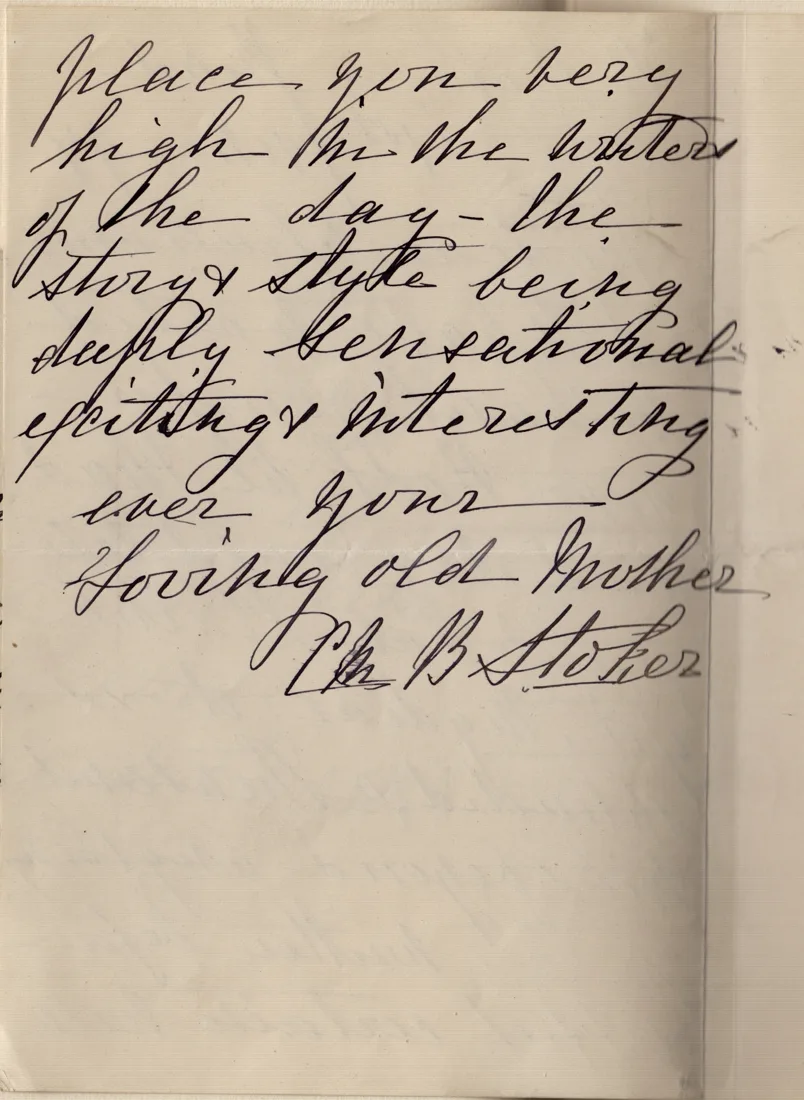
Early responses help us see Dracula before its later fame. John Edgar Browning’s research finds that the early reviews were predominantly positive, although individual critics expressed reservations, while letters from readers close to Bram reveal their enthusiasm. A cheaper abridged edition followed in 1901. Translations and adaptations soon began to remake the story for different audiences. See John Edgar Browning, Bram Stoker’s Dracula: The Critical Feast, introduction.
Read Bram on Dracula for Jane Stoddard’s contemporary interview and opening review, published in July 1897.
The novel’s afterlife
Florence’s stewardship after Bram’s death helped bring his fiction to new audiences. Her story is told on Florence Stoker; the changing forms and images of the Count are explored on Dracula on Stage and Screen.
Dracula’s critical reputation developed over time. Later scholarship examined its sources, structure and cultural meanings, sometimes challenging familiar claims about the book’s origins. The Bibliography offers different starting points and distinguishes historically influential studies from current interpretations.
Translations and transformations
Powers of Darkness is part of the complicated early international history of Dracula. Its relationship to the English novel, its publication history and the extent of its reworking have prompted substantial research. Readers should approach it as a distinctive version with its own history, rather than assume it is a straightforward translation.
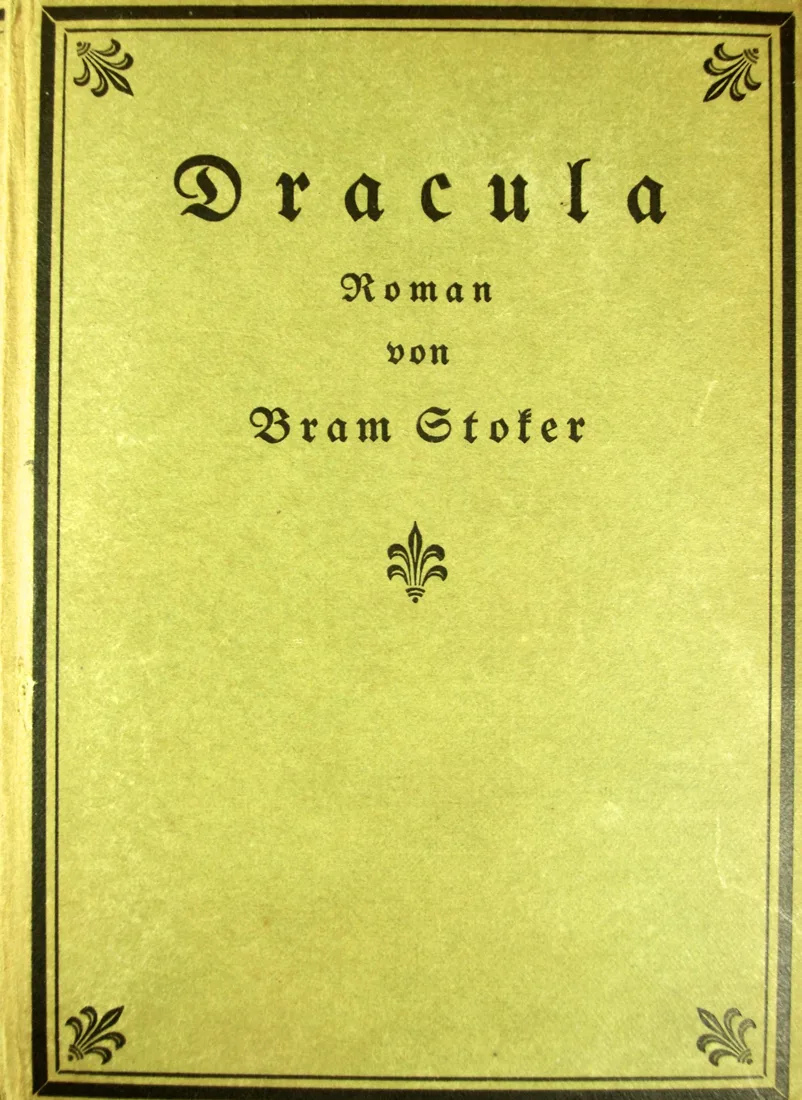
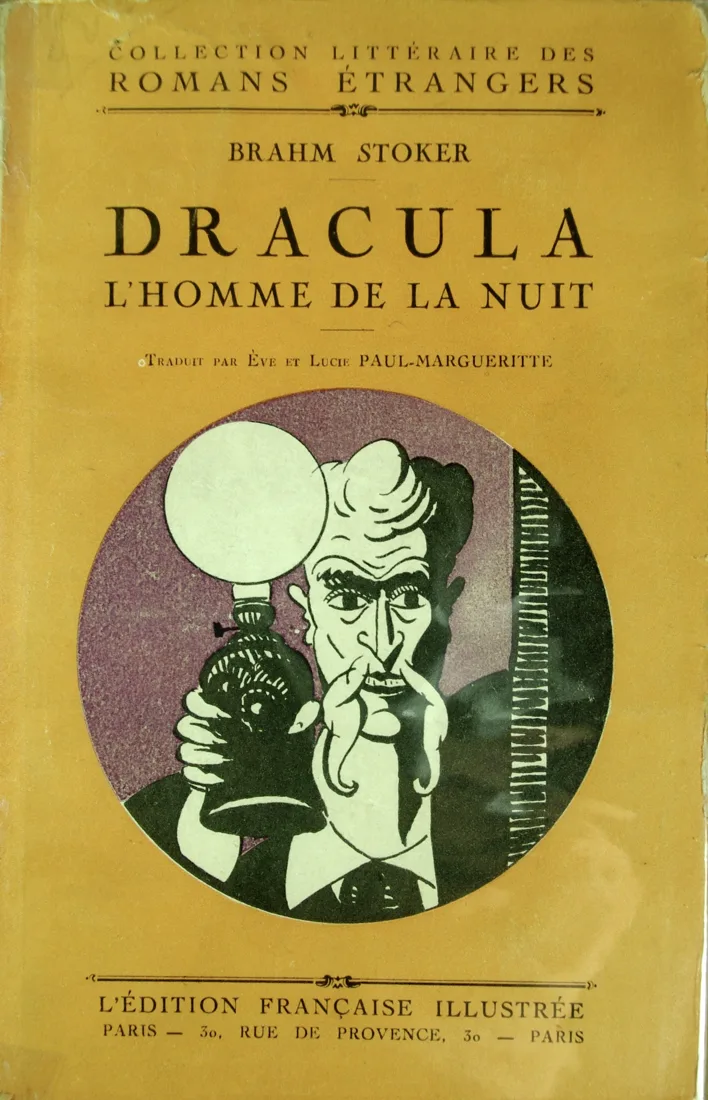
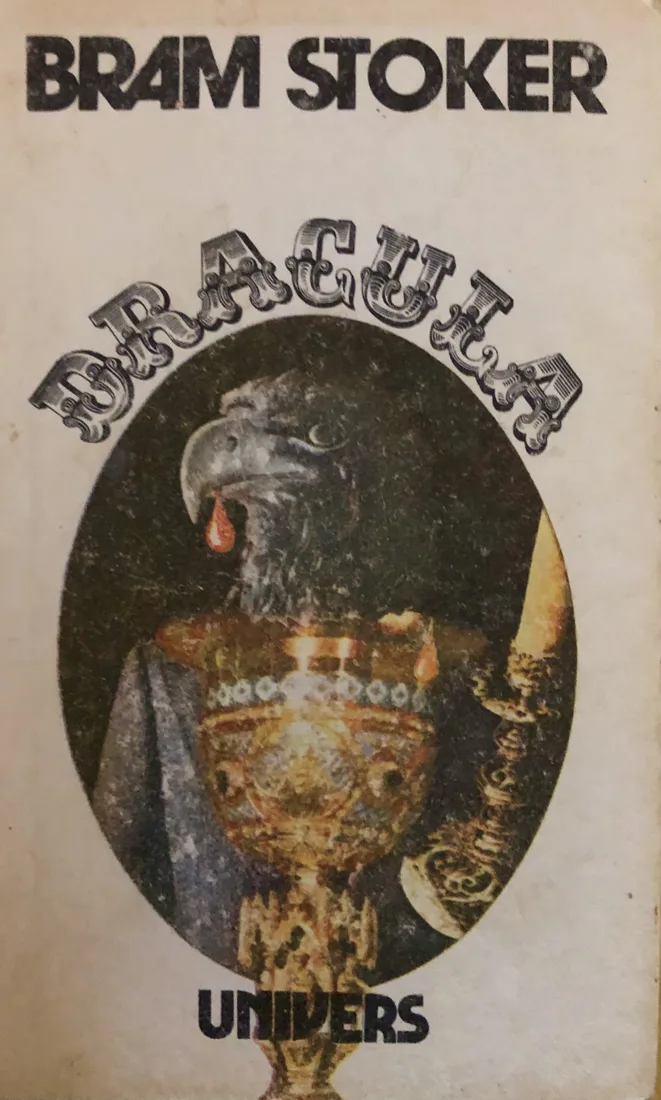
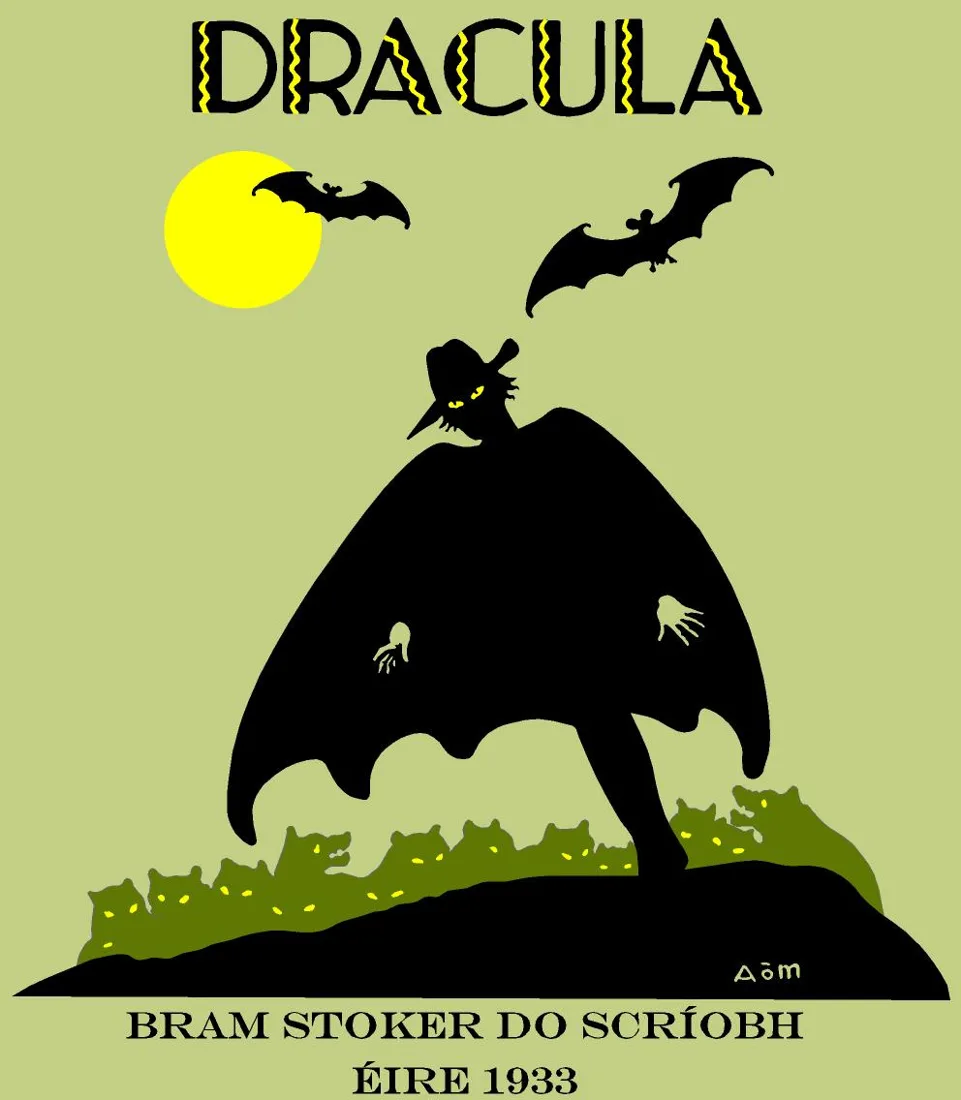
The covers of different editions also tell a visual story. Lettering, colour and illustration introduce the Count to new readers in different languages, sometimes giving the same novel a strikingly different identity.
Where the original materials are
| Item | Where it is |
|---|---|
| Working notes for Dracula | The Rosenbach Museum and Library, Philadelphia. For catalogue references, access and reproductions see Archives. A facsimile edited by Robert Eighteen-Bisang and Elizabeth Miller was published in 2008. |
| The Un-Dead typescript | Private collection. |
| Letter of 7 July 1897 to “My Dear Williams” mentioning Dracula | Leeds University Library Special Collections (MS 2330). |
| Copy recording the author’s cuts for the 1901 abridgement | Private collection. |
Critical readings at a glance
Critics offer different arguments about the novel. These are interpretations to test against the text, rather than settled facts about Bram’s intentions. The Estate does not endorse one reading.
Gender and sexuality. Phyllis Roth’s “Suddenly Sexual Women” (1977), Christopher Craft’s “Kiss Me with Those Red Lips” (1984) and Carol Senf’s “Stoker’s Response to the New Woman” (1982) offer influential readings of desire, gender and women’s changing roles. Later critics have challenged interpretations that reduce every vampire encounter to sexual repression.
Empire. Stephen Arata’s “The Occidental Tourist” (1990) connects the Count’s arrival in England with fears about imperial decline and invasion. The multinational group opposing him also complicates a simple English-versus-foreign reading.
Ireland. Critics including Joseph Valente, in Dracula’s Crypt (2002), explore the novel through Anglo-Irish history and identity. Such readings depend on historical parallels; the novel does not explicitly make Ireland its setting.
Race and antisemitism. Jack Halberstam’s “Technologies of Monstrosity”, collected in Skin Shows (1995), considers how the monster concentrates racial and sexual stereotypes. Discussing this interpretation requires attention to the period’s prejudices and to the particular language of the novel.
Science and modernity. Jennifer Wicke’s “Vampiric Typewriting” (1992) focuses on the novel’s media and technologies. Daniel Pick’s “Terrors of the Night” (1988) relates it to nineteenth-century ideas of degeneration.
Economics. Franco Moretti’s “The Dialectic of Fear” (1982) reads the Count through capitalism and accumulation. Compare what that interpretation explains with elements of the novel that resist it.
A useful discussion weighs competing interpretations and identifies the passages supporting each one. The Bibliography offers further routes into the scholarship.
The complex legacy of Dracula
How Dracula came to be studied
Explore the growth of the novel’s reputation in How Dracula came to be studied.