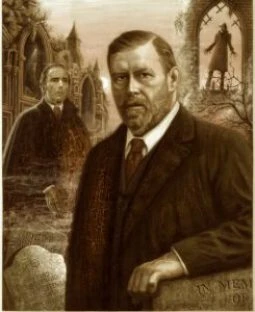
Coverage of Montblanc’s 2026 tribute to Bram, translating references to his life and Dracula into a collection of writing instruments. Explore the Estate’s account of the collaboration .
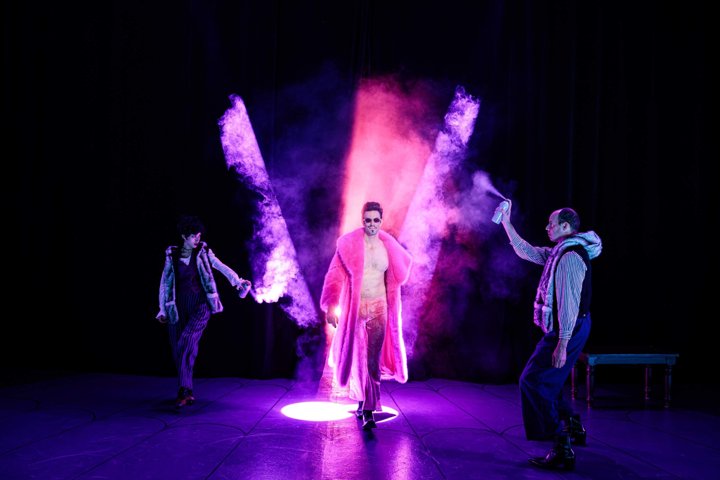
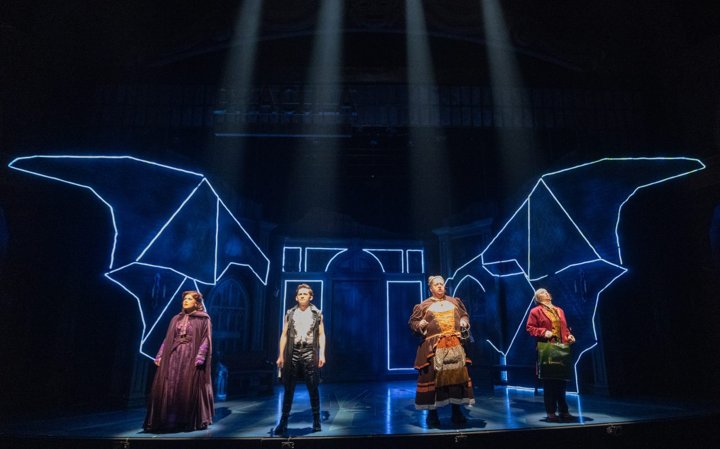
Sinclair praises Paul Melendy’s flamboyant Count and the ensemble in Actors’ Shakespeare Project’s Watertown production of Dracula: A Comedy of Terrors. The review highlights Christopher V. Edwards’ direction, physical comedy and striking costumes, finding that the performers make even the cornier jokes entertaining. This is an independent review of the Mosesian Center staging.
John Finn reports on the streaming debut of Besson’s adaptation, following its French cinema release in 2025 and North American release in 2026. Streaming availability varies by territory.
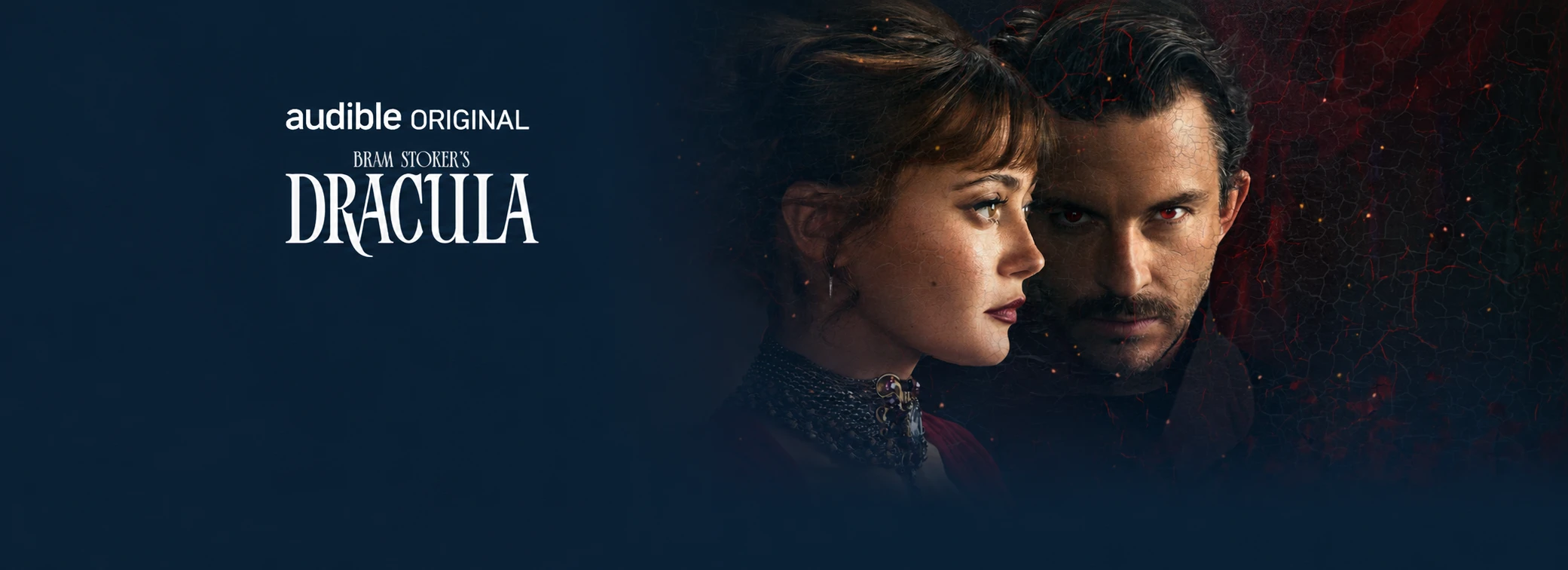
The English-language cast includes Jonathan Bailey, Ella Purnell and Maggie Gyllenhaal. Robyn Ahern’s adaptation, directed by Mary Lambert, launched alongside French, Italian and two Spanish versions, with further languages announced for 2027.
Moorhead enjoys Arizona Theatre Company’s fast-moving production, especially its five performers’ quick changes, physical precision and inventive staging. He acknowledges the broad, sometimes deliberately crude humour, while finding moments of humanity beneath the burlesque. The review concerns the Tempe Center for the Arts run directed by Gordon Greenberg.
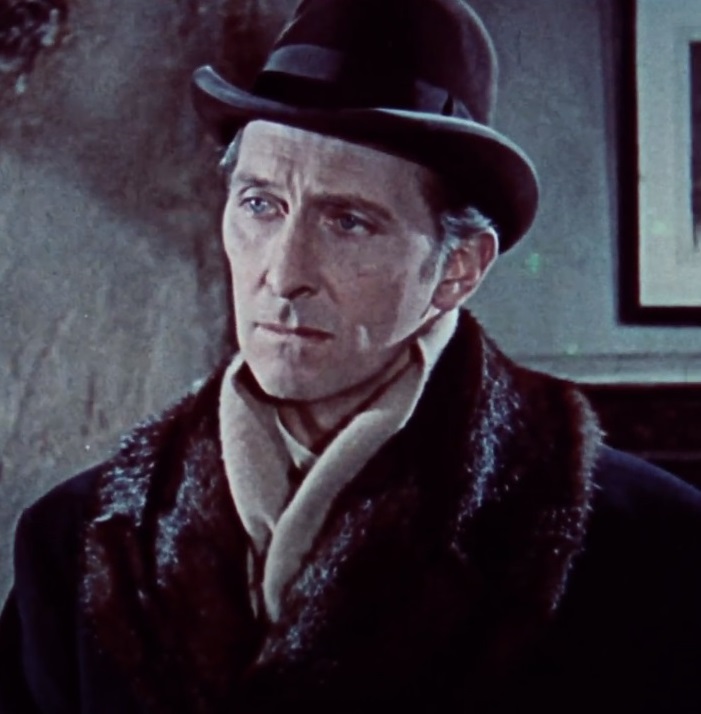
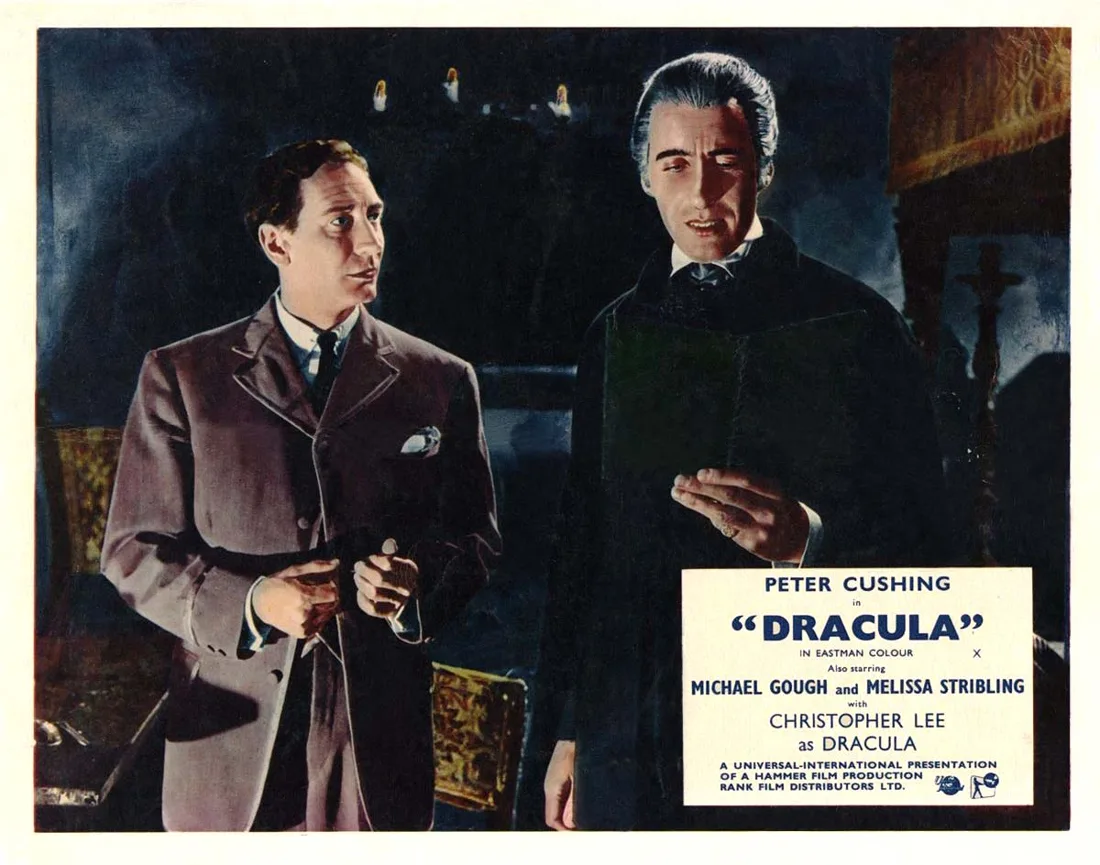
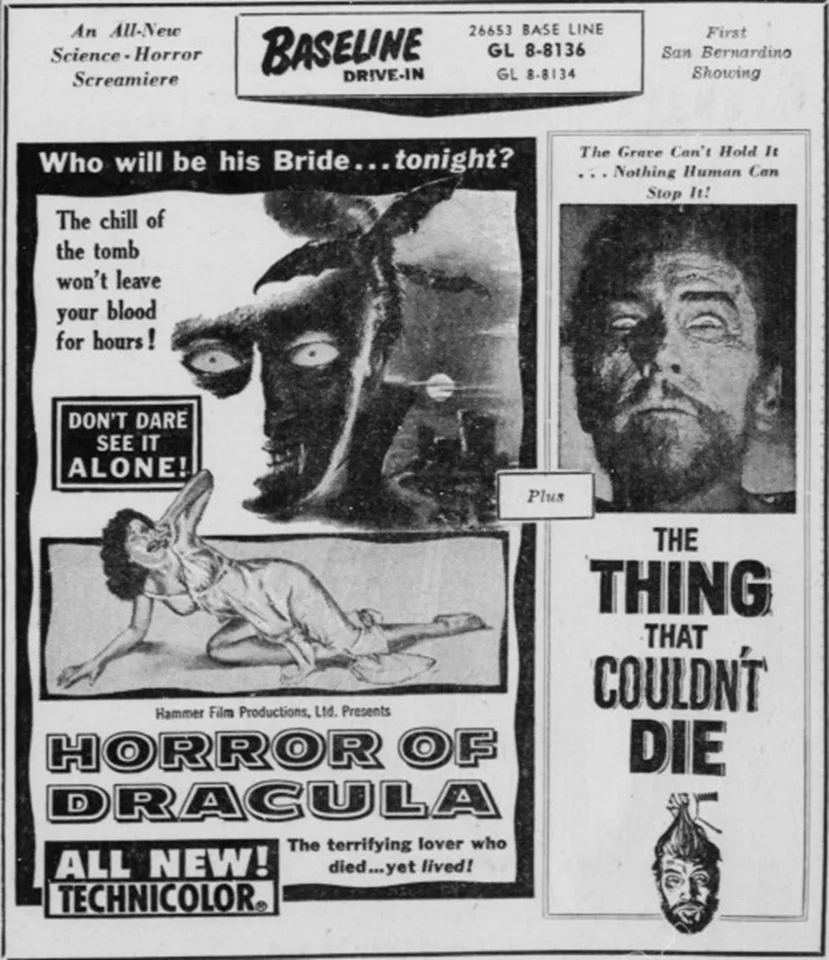
Hammer’s 1958 film, starring Christopher Lee and Peter Cushing, has been restored by Hammer Films and Silver Salt Restoration in partnership with Warner Bros. The report describes the reinstatement of footage previously seen only in the original Japanese release. See Hammer’s collector’s edition details for the current release information.
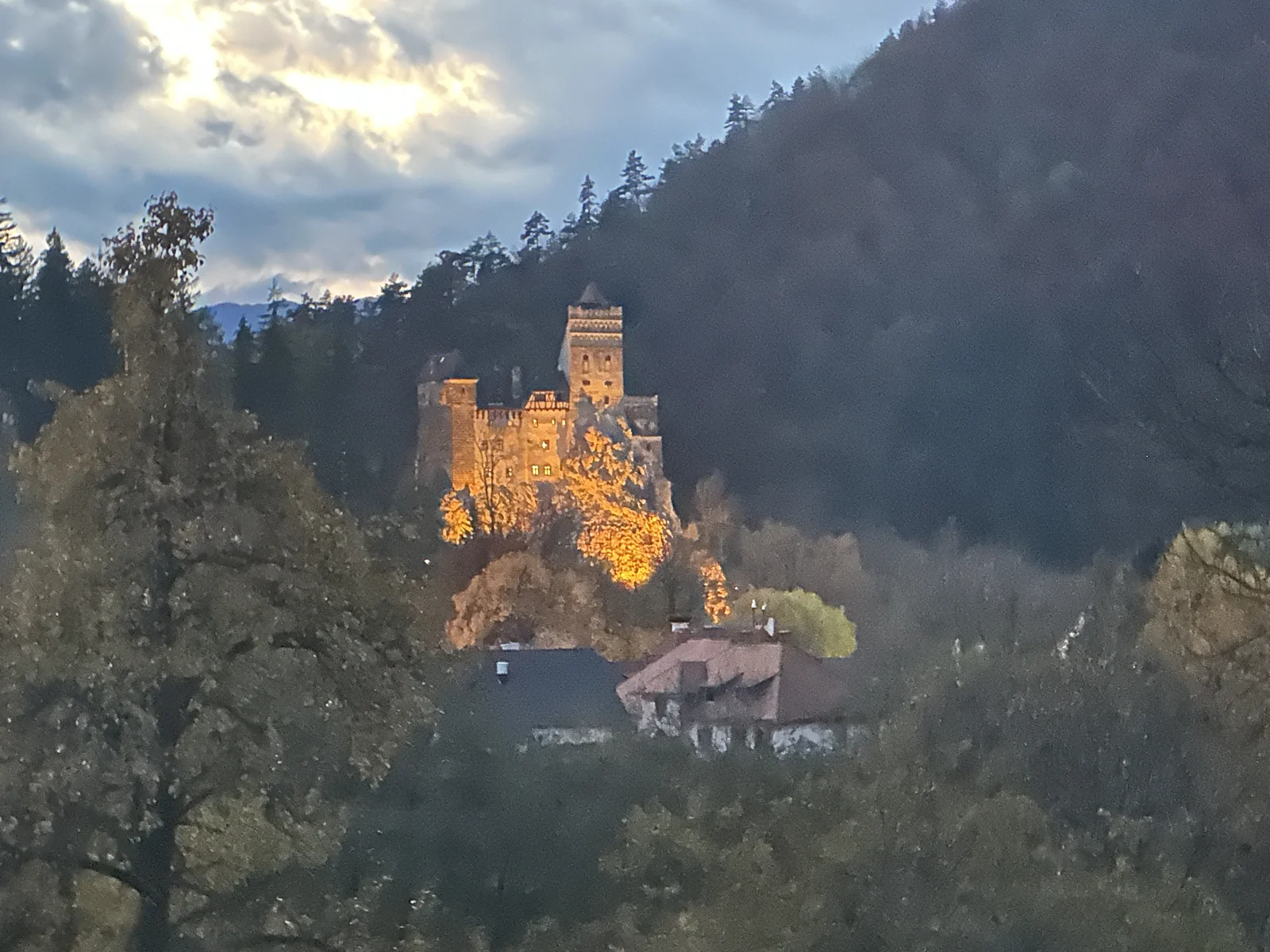
Bran Castle is operated by Bran Domain Management Company (Compania de Administrare a Domeniului Bran, CADB). In May 2026, Joel Weinshanker’s Ad Populum group was reported to have acquired an 80% controlling stake in that operating company through VT Bran. Weinshanker is also involved in managing Elvis Presley’s Graceland. The report concerns the operating company. Further reporting from Radio România Brașov .
Cynthia Erivo and director Kip Williams discuss bringing Dracula to the West End in this opening-night video feature. Their conversation explores the demands of combining live performance with filmed images in the solo adaptation.
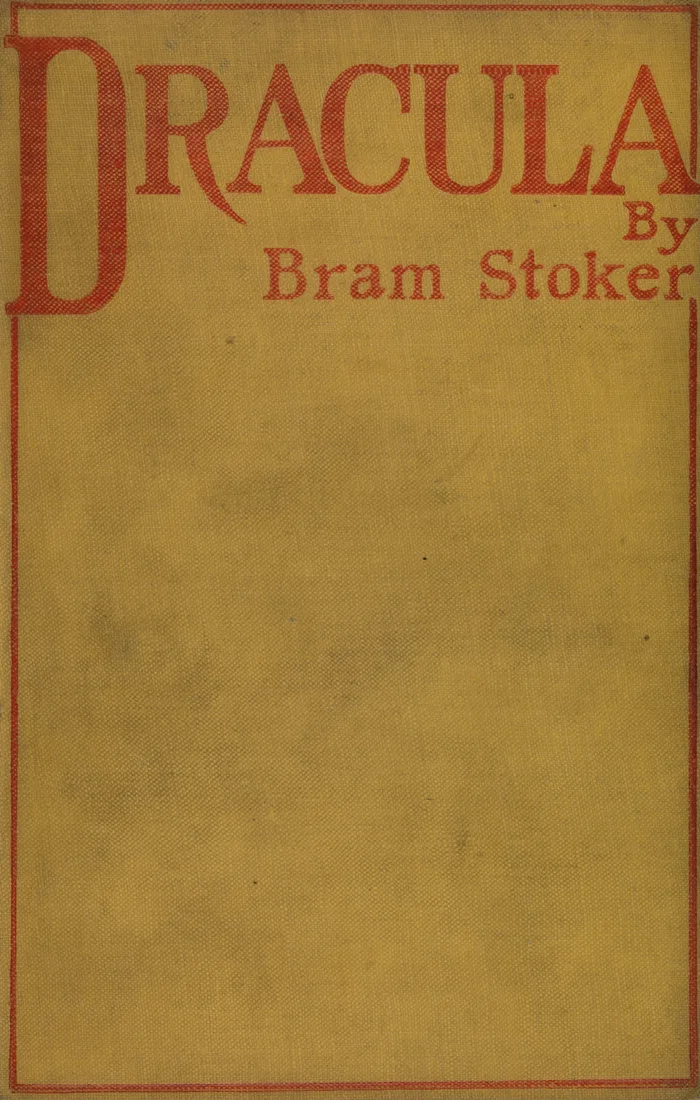
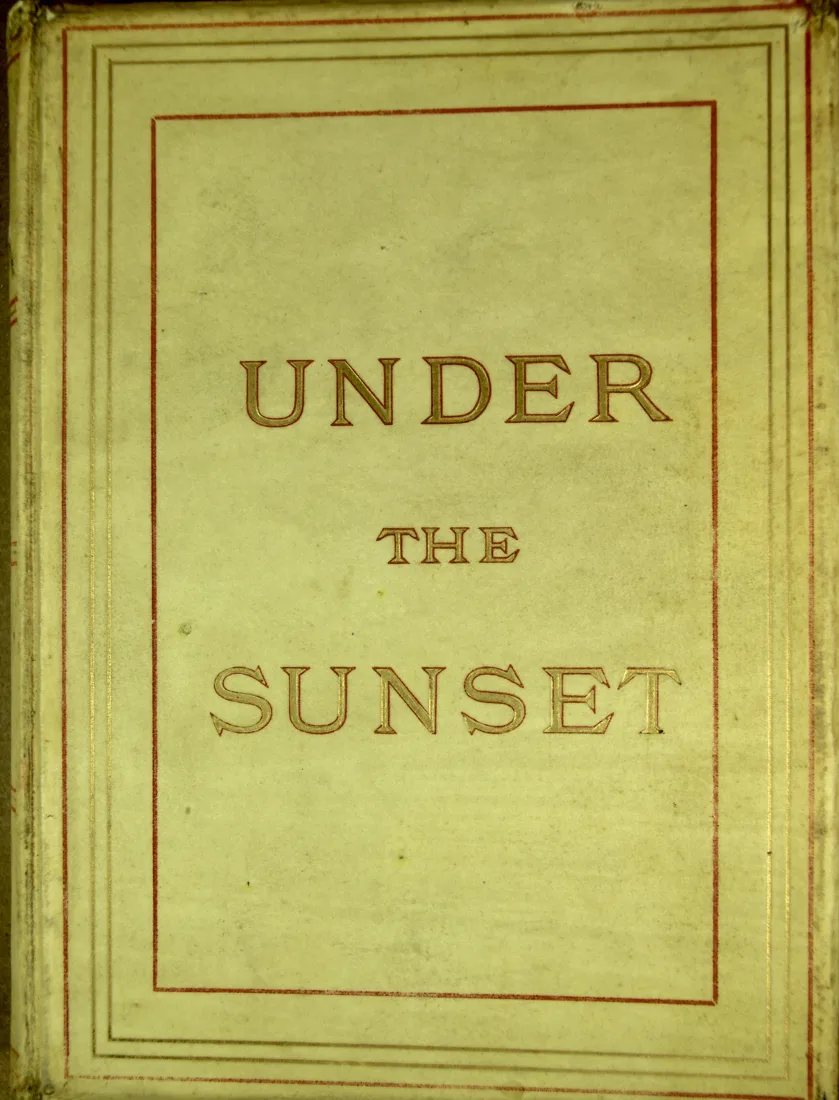
The Book Covers collection brought Dracula’s yellow-and-red cover into Jonathan Anderson’s Dior accessories. The report dates the collection’s boutique arrival to 2 January. See the Dior project and photographs .
The first preview of Anderson’s Dior direction included a Book Tote drawing on the original Dracula cover, taking Bram’s novel into a new fashion audience.
Universal’s opening announcement introduces Epic Universe’s five themed worlds, including Dark Universe. Its account describes Dracula among the creatures in Monsters Unchained and the vampire-inspired Das Stakehaus restaurant. This official release records a new theme-park setting for Universal’s screen monsters; it is the operator’s announcement, rather than an independent review.
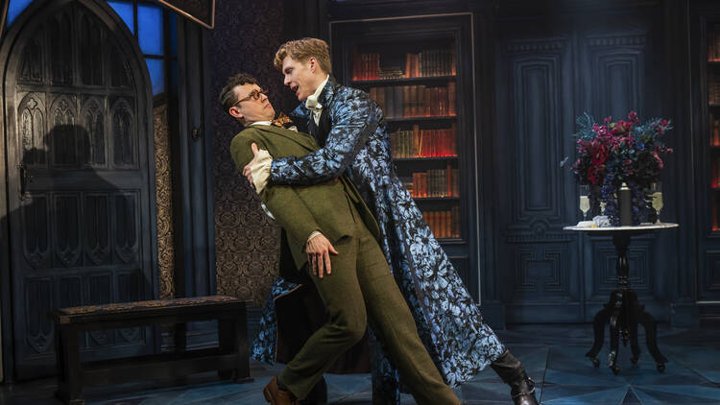
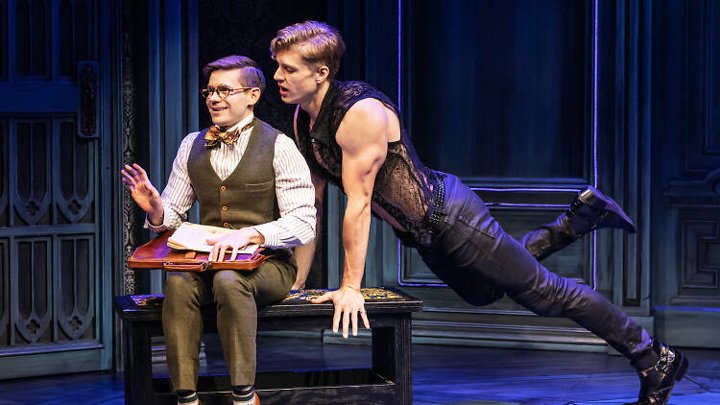
Lukowski finds the Menier Chocolate Factory’s Dracula parody too tame and old-fashioned, despite James Daly’s charismatic Count and the energetic cast. His critical review questions whether the changes to Stoker’s plot produce a worthwhile new interpretation, contrasting the show’s mild provocations with Rocky Horror’s earlier success.
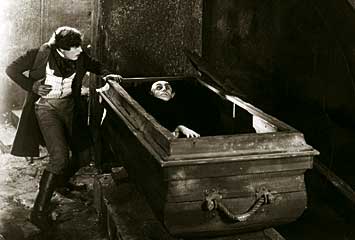
Eggers’ reimagining stars Bill Skarsgård, Lily-Rose Depp and Nicholas Hoult. It continues the screen tradition begun by the 1922 Nosferatu; the history of that film and Florence Stoker’s response is on Dracula on Stage and Screen .
The Library announced Brian Cleary’s identification of Bram’s 1890 story in the Dublin Daily Express Christmas supplement. A new edition supported the Charlotte Stoker Fund’s research into newborn hearing loss. Read the discovery story .
Raven Snook warmly reviews the New World Stages production, praising its cast’s rapid changes of character and its playful props and costumes. She finds Gordon Greenberg and Steve Rosen’s adaptation an entertaining escape, while acknowledging that its barrage of jokes produces occasional groans. This concerns the 2023 New York staging, not the later London run.
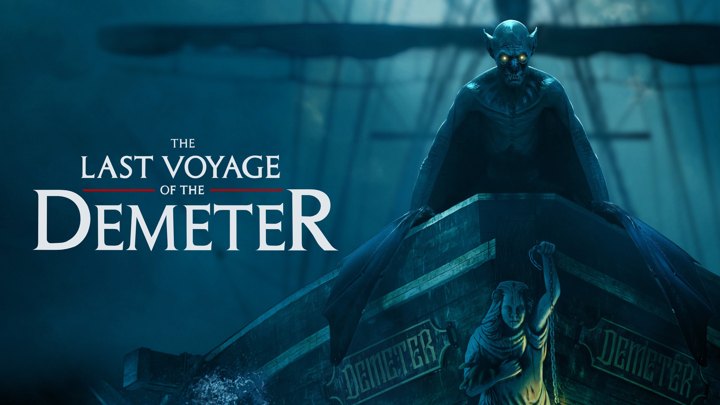
The feature film took the doomed voyage from Dracula’s seventh chapter as its starting point, showing the continuing possibilities of adapting a single part of the novel.
Dacre Stoker introduced his archive-based Stoker on Stoker presentation for the anniversary edition of Dublin’s Bram Stoker Festival, exploring the research behind the novel.
Coverage of the newsletter’s breakout year explored how reading dated entries together brought new readers to the novel and prompted shared discussion, art and humour.
Matt Kirkland’s project offered the novel by email in the calendar order of its dated documents. It became a new way for readers to encounter the original text together.
Marion McGarry revisits Charlotte Stoker’s recollections of the 1832 Sligo cholera epidemic during the COVID-19 lockdown. Drawing on Charlotte’s later account, she describes fear, isolation and family survival. The piece explores parallels with Dracula; its claims about literary influence are the author’s interpretation, rather than a proven single origin for the novel.
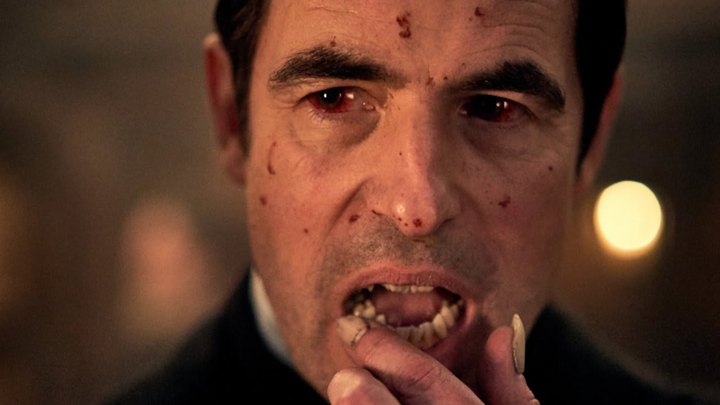
Mark Gatiss and Steven Moffat’s three-part series starred Claes Bang. BBC One began the broadcasts on New Year’s Day, followed by Netflix on 4 January.
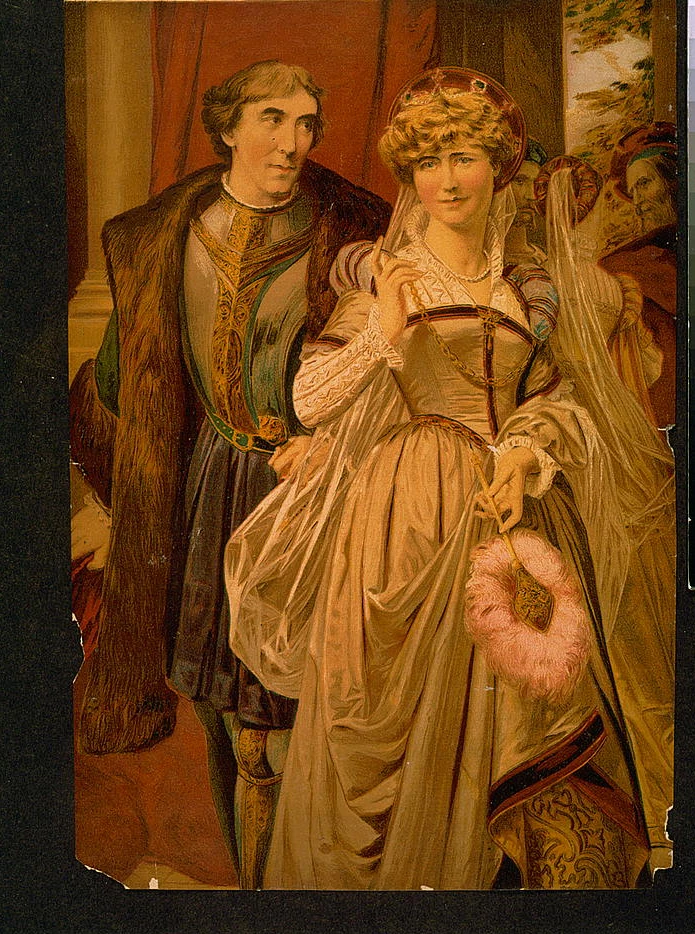
Liz Evers examines Florence Stoker’s social and theatrical life, marriage and management of Bram’s literary estate. The biography follows her legal action over Nosferatu and her role in licensing Dracula for stage and screen. It also considers how accounts of her life have been shaped by the famous men around her.
Philip Spedding identified 26 books likely to be the copies Bram used in his research. Pencil marks were compared with his surviving notes, bringing fresh evidence to the novel’s sources.
The Central Bank launched a €15 silver proof coin designed by David Rooney, honouring Bram and Dracula. Members of the Stoker family attended the presentation at Glasnevin Cemetery.
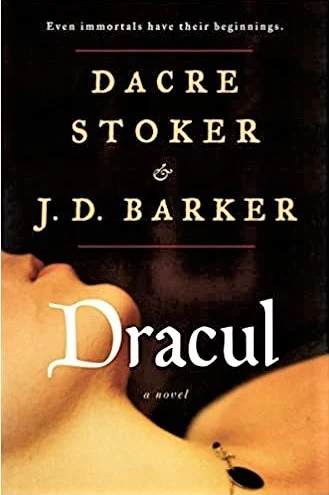
Dacre Stoker and J. D. Barker’s supernatural thriller used research into Bram’s life as a starting point for a fictional prequel. It should be read as a novel, rather than as biography.
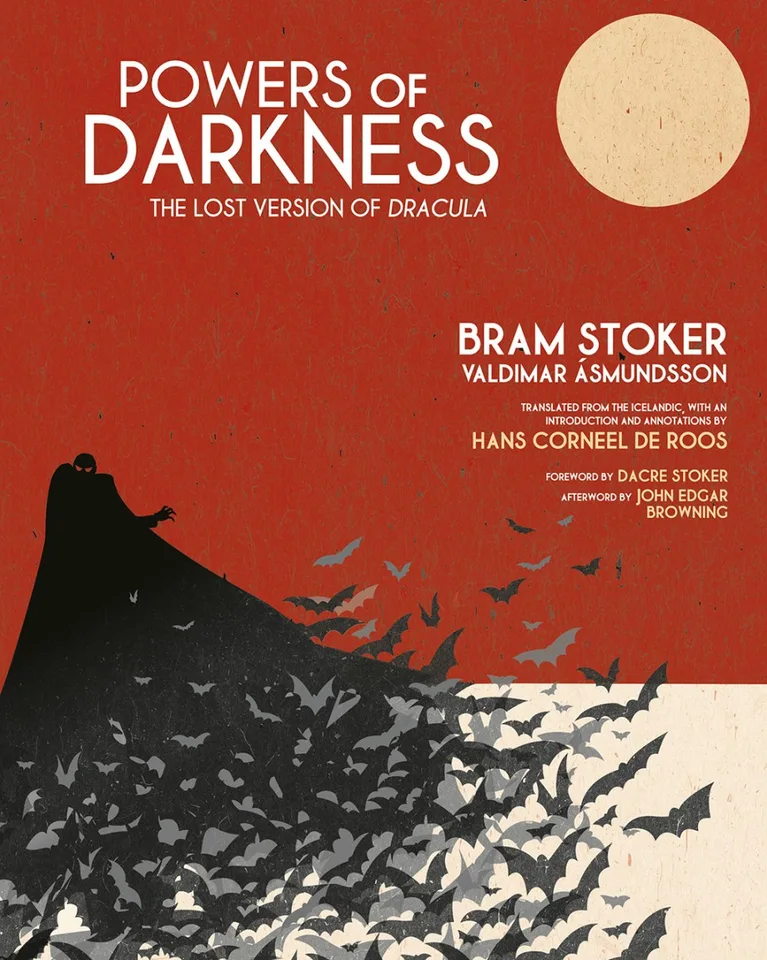
Hans Corneel de Roos’ English translation introduced readers to Valdimar Ásmundsson’s substantially different Icelandic version, with annotations, a foreword by Dacre Stoker and an afterword by John Edgar Browning.
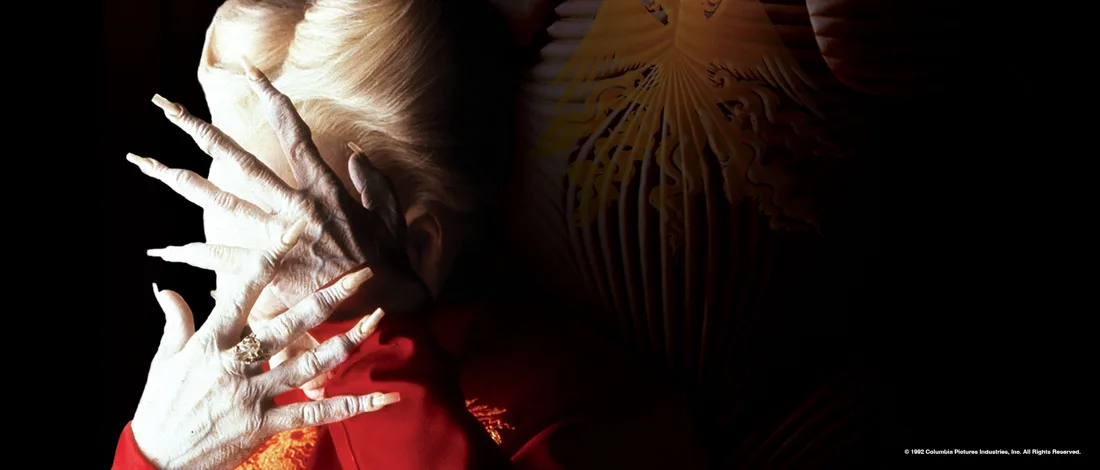
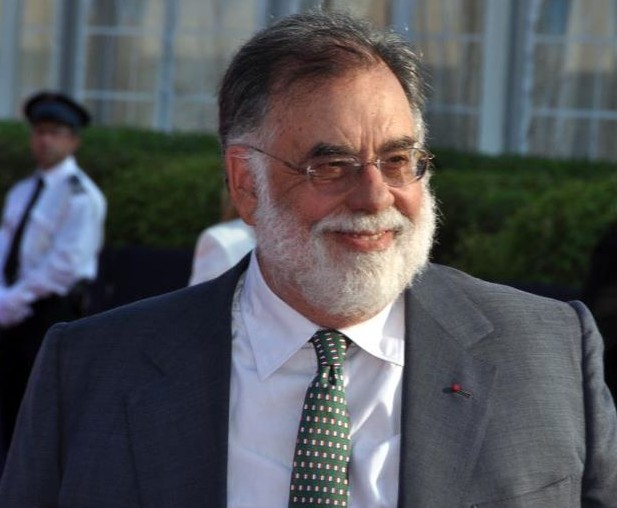
Coppola recalls reading Dracula aloud as a teenager and returning to it for his 1992 adaptation. In this interview he discusses Roman Coppola’s practical camera effects, Eiko Ishioka’s costumes, elaborate studio sets and the challenges faced by his cast, including Keanu Reeves.
Roger Luckhurst considers why Dracula still speaks to modern readers. He connects the novel’s fears of infection, migration and threatened boundaries with later outbreak narratives, while exploring its mixture of Victorian technology, Gothic conventions and older myths. This is a critical interpretation of the novel’s continuing power.
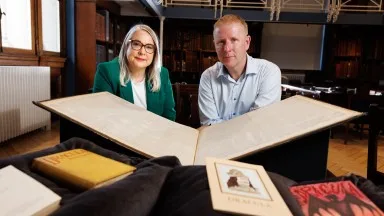
University of Stirling / British Library exhibition catalogue
Terror and Wonder: The Gothic Imagination placed Dracula alongside Frankenstein, Angela Carter and later horror, examining the Gothic through manuscripts, books, art and film.
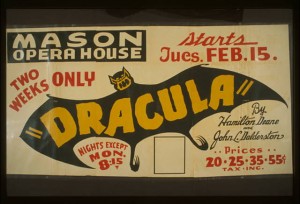
Margaret Wood investigates the claim that Dracula lacked US copyright registration. Her search in the Copyright Office’s historical card catalogue finds entries under Stoker’s name and a record of deposited copies. The feature offers a useful account of checking the evidence, illustrated with a 1938 Federal Theatre Project Dracula poster.
Anne Stiles examines Sir William Thornley Stoker’s surgical work, reservations about animal experimentation and connections with Dracula’s medical material. This substantial biographical chapter concerns Bram’s elder brother. The linked record provides an abstract; full text may require institutional or paid access.
HUMANITIES / National Endowment for the Humanities
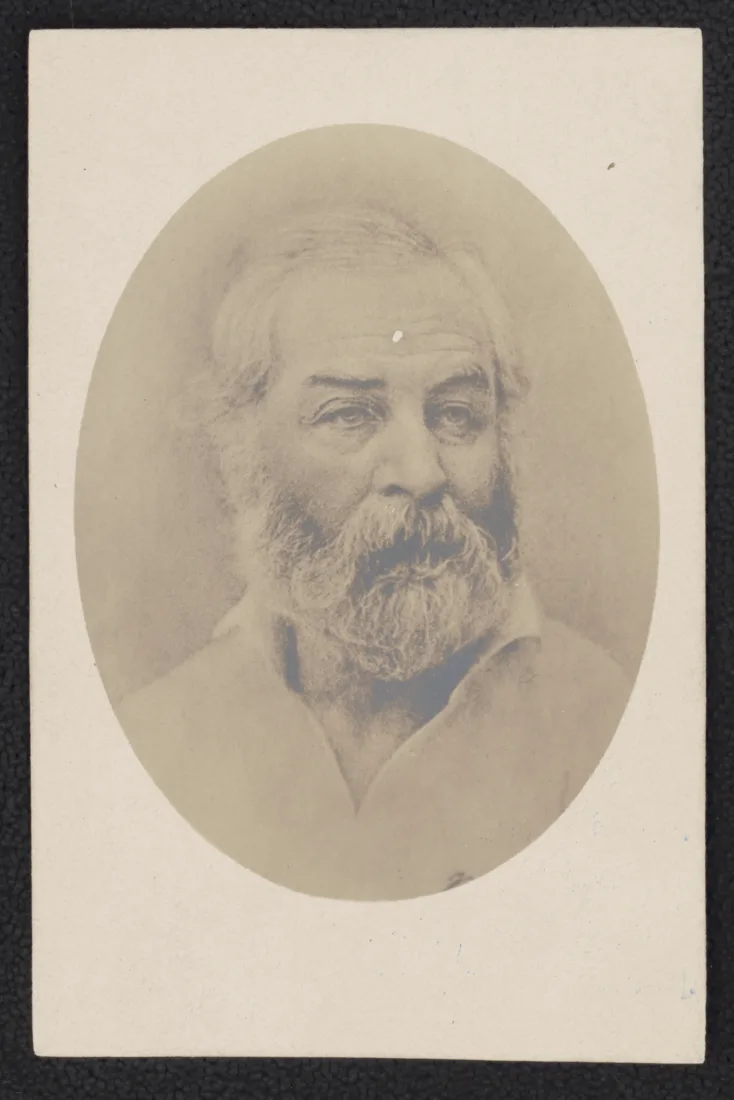
Meredith Hindley traces Stoker’s admiration for Walt Whitman, from his response to hostile criticism of the poet to the unusually frank letter he eventually sent. The feature follows their correspondence and meetings, placing this transatlantic friendship within Stoker’s developing literary and theatrical life.
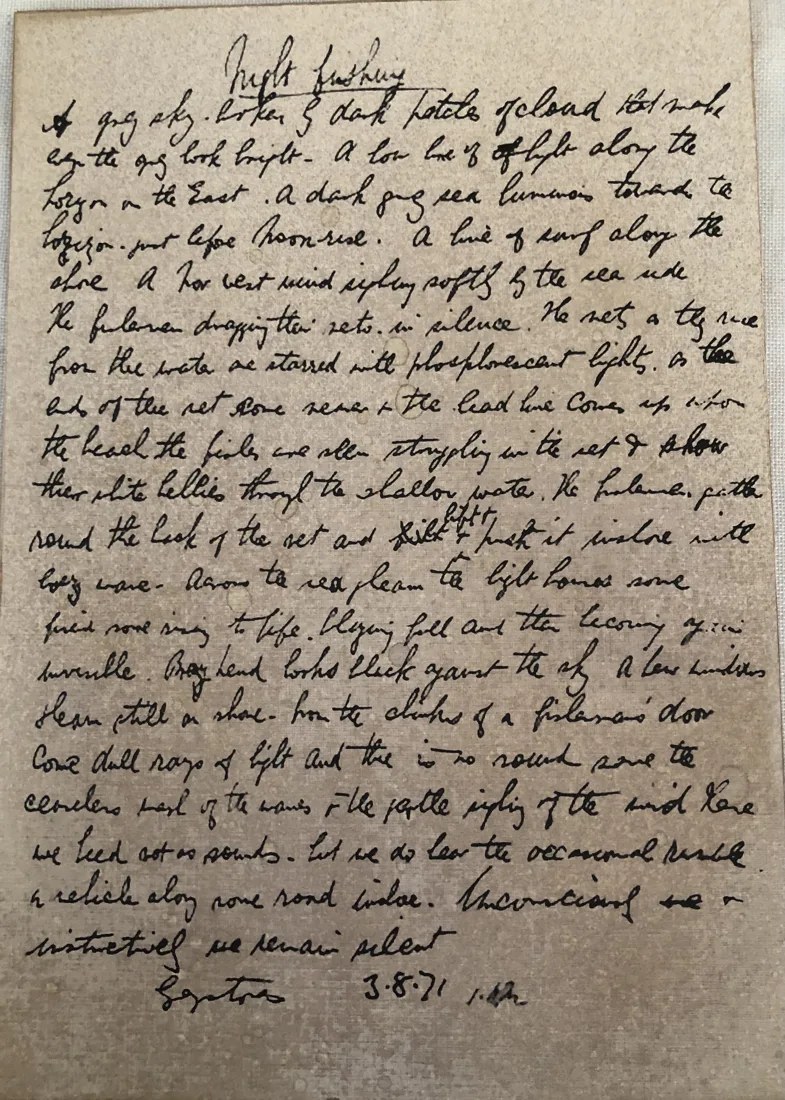
Dacre explained the publication of the notebook edited with Elizabeth Miller, acknowledging Noel Dobbs’ decision to make the family-held material available. Explore the Lost Journal .
The inaugural festival celebrated the Dublin author in the year marking a century since his death. Literary events and an exhibition helped establish a continuing public celebration of his legacy.
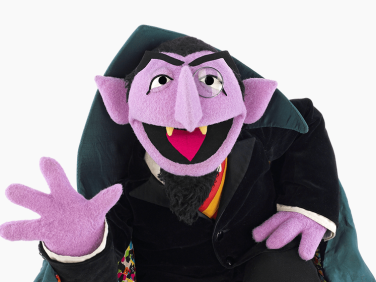
This remembrance explores Jerry Nelson’s work as the Count on Sesame Street and his other Muppet characters, alongside his life and love of music on Cape Cod. The accompanying text describes archival interviews and recollections from collaborators. The page lists a 27-minute 52-second radio programme; the summary is based on its published text.
A University of Victoria feature traces the Cowichan Lake property later used for field studies back to Richard Nugent Stoker and his wife’s gardens. It explains how the Simpsons continued their planting and how rhododendrons from the property helped form Finnerty Gardens. This is a later account of the family’s Canadian horticultural legacy.
Dracula scholar Elizabeth Miller discusses misconceptions about Stoker’s knowledge of Vlad the Impaler, her research and the forthcoming Dublin Notebook. Carlota McNally’s playful interview also asks about vampire characters, Miller’s bat jewellery and the rewards and frustrations of answering readers’ questions.
News coverage brought the early Dublin journal to a wider audience ahead of its publication. The notebook offered evidence of Bram’s observations and developing ideas long before Dracula.
Iliane Tecchio presents a Portuguese translation of Charlotte Stoker’s recollections of the 1832 Sligo cholera epidemic, alongside the English text. The Brazilian literary journal introduces the account’s family and literary context and identifies its printed sources. Published in 2011, this is a modern edition of Charlotte’s later memories, not reporting written during the epidemic.
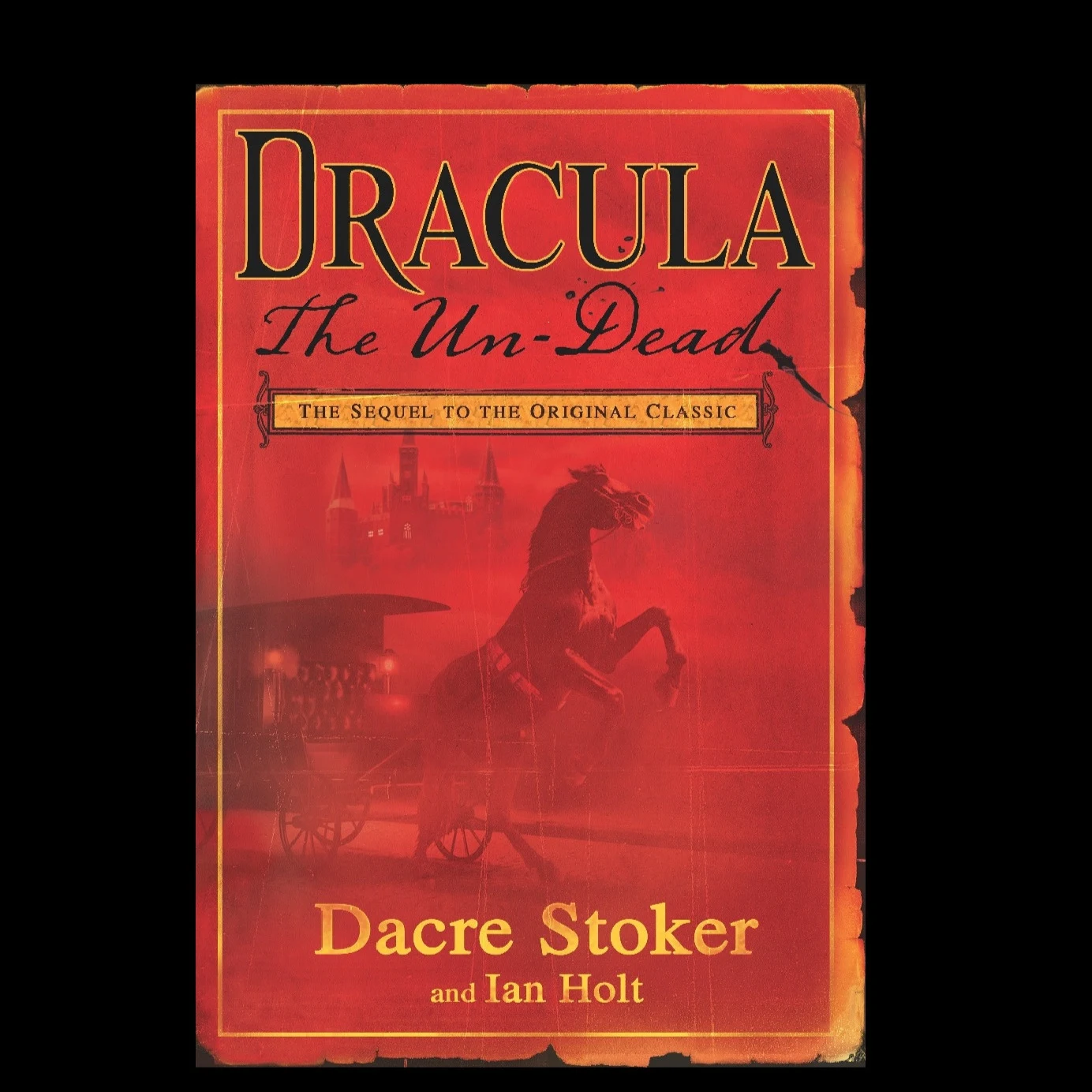
Dacre Stoker and Ian Holt’s sequel revisited the original characters in a new novel. Its publication was a significant moment in the modern literary afterlife of Dracula.
Dictionary of Irish Biography / Royal Irish Academy
Carmel Doyle surveys Thornley Stoker’s career in surgery, anatomical teaching and Dublin’s medical institutions, alongside his role as an art collector and society host. The biography also identifies connections with his siblings and brother-in-law William Thomson. It offers a substantial portrait of Bram’s elder brother beyond his association with Dracula.
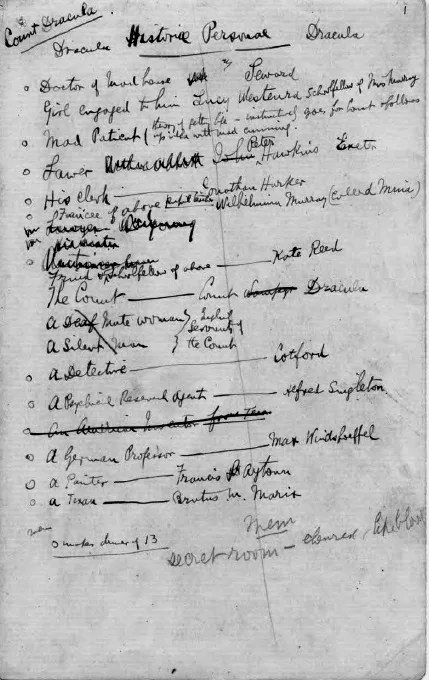
Robert Eighteen-Bisang and Elizabeth Miller reproduced and annotated the surviving notes, making the novel’s research and changing plans accessible to a wider readership.
Tony Williams reads Hammer’s 1958 Dracula against Britain’s changing social and sexual conventions. He examines Christopher Lee’s Count, Terence Fisher’s direction and the tension between the film’s disruptive desires and its return to familiar forms of order.
RTÉ reported on the Christie’s sale offering the typescript bearing Bram’s handwritten changes and the title The Un-Dead. This is a 2002 news report, preserved on a later archive page.
Ebert enjoys the lavish design and operatic excess of Francis Ford Coppola’s adaptation while questioning its narrative coherence. His review weighs the visual spectacle and heightened performances against the difficulty of following, and caring about, the story.
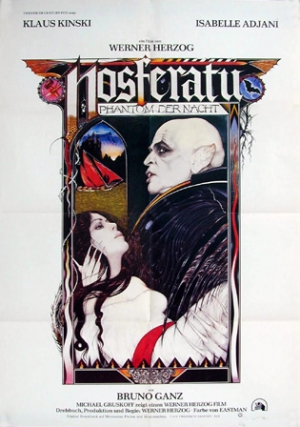
Ebert approaches Werner Herzog’s film as an experience of atmosphere and imagery rather than conventional horror suspense. He singles out the journey through the mountains and Klaus Kinski’s unsettling performance, urging viewers to surrender expectations of a fast-moving plot.
Ebert admires Frank Langella’s restrained, aristocratic vampire in John Badham’s adaptation. He finds the film’s atmosphere, design and supporting performances more persuasive than familiar horror tricks, and highlights its treatment of the burden of immortality.
Blumenberg compares Herzog’s Nosferatu with Murnau’s 1922 film and the legacy of Weimar cinema. He praises Kinski’s melancholy vampire and the plague sequences, while arguing that reverence for the earlier masterpiece sometimes holds Herzog back. This contemporary German review is preserved in full by filmportal.de; the summary here is in English.
A contemporary review of Daniel Farson’s The Man Who Wrote Dracula. The publisher provides an opening extract; the full article requires a subscription.
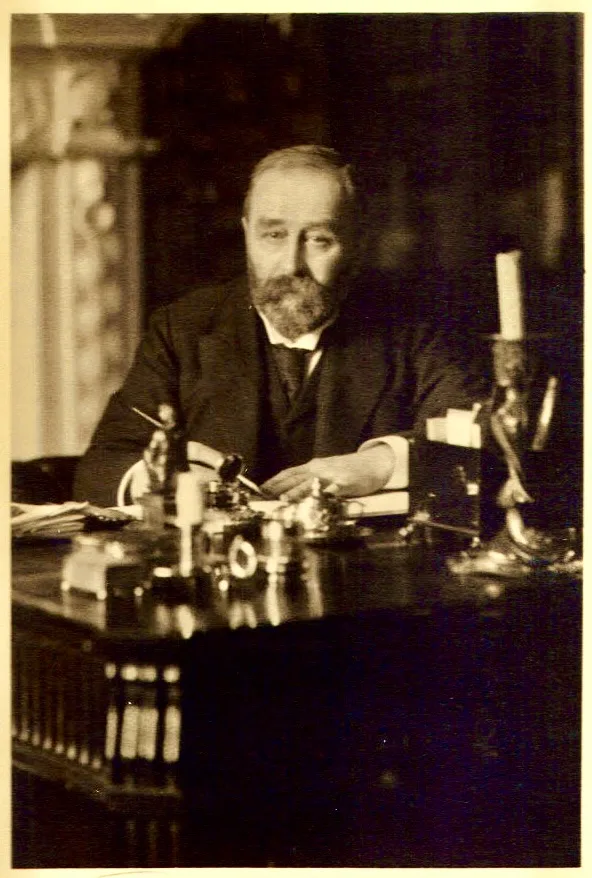
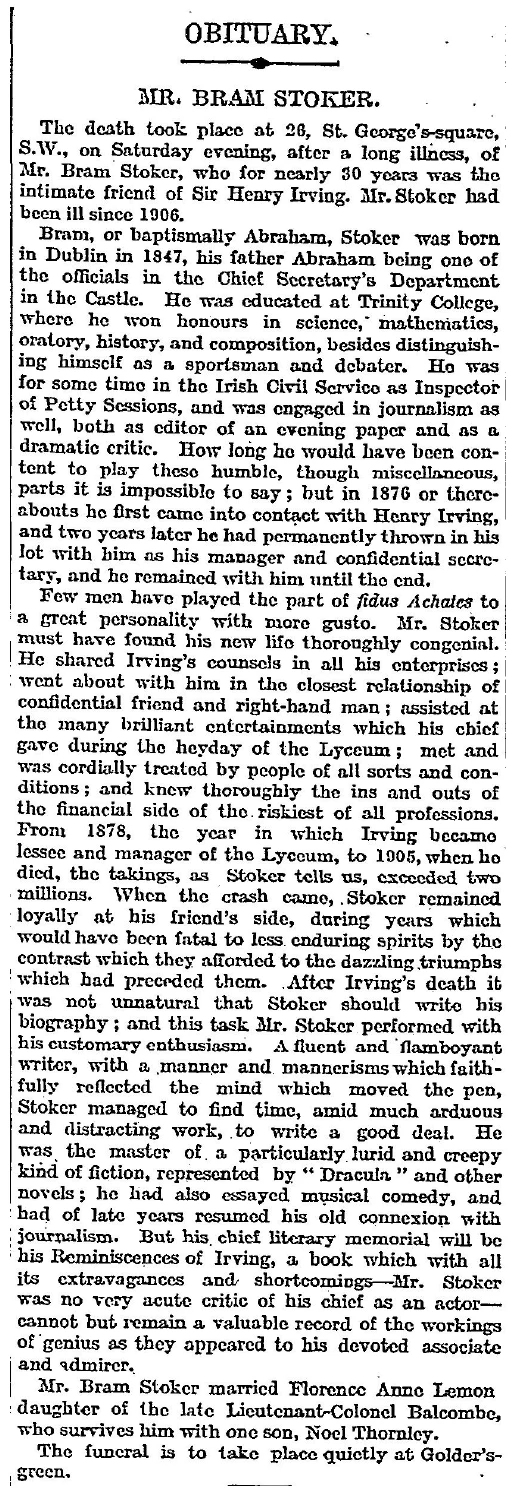
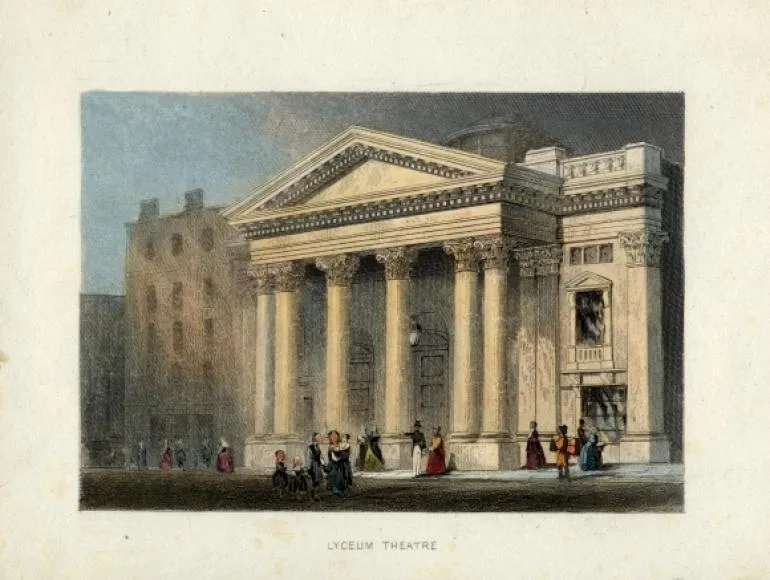
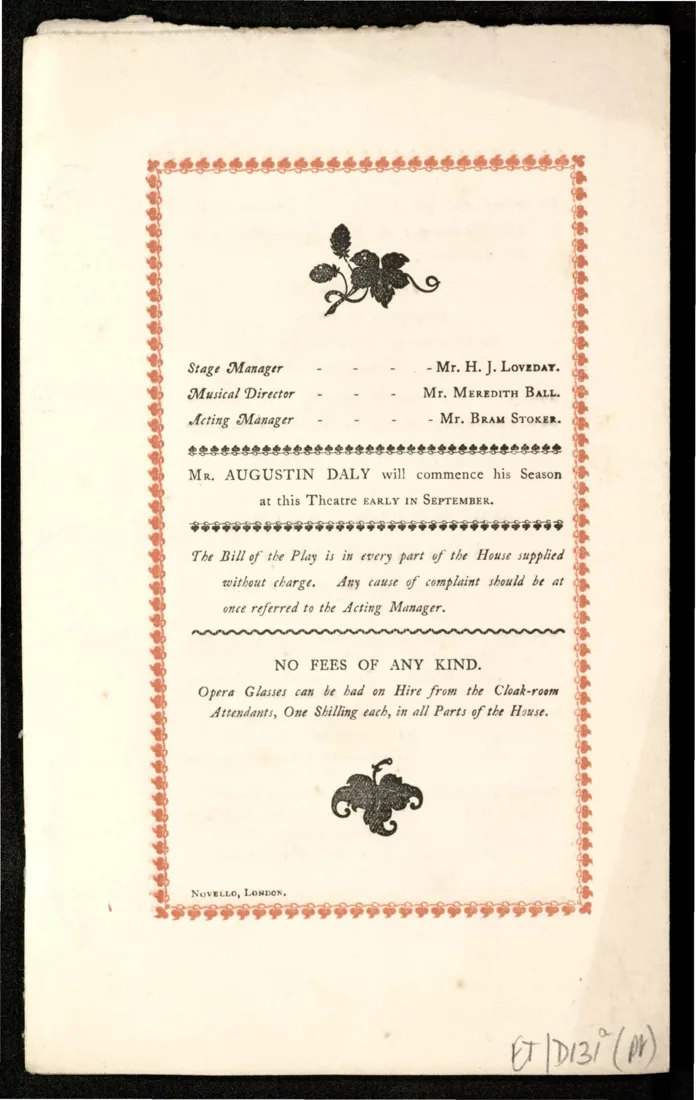
A notice centred on Stoker’s Dublin years and theatre career, preserved through a centenary reprint. Original notice of 23 April 1912; the linked collection includes the 23 April 2012 reprint.
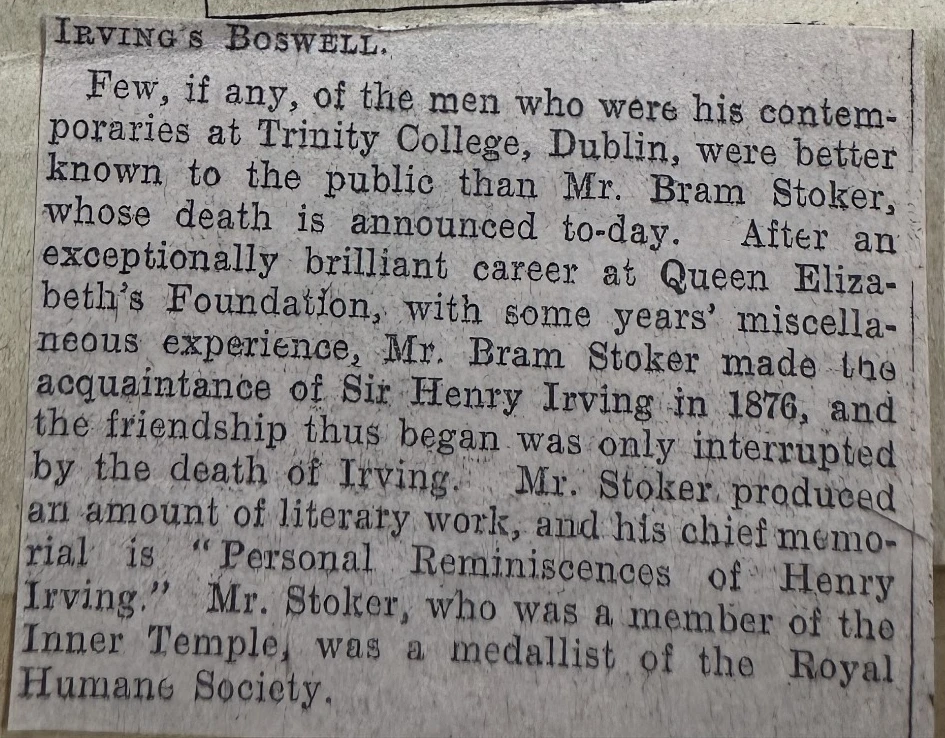
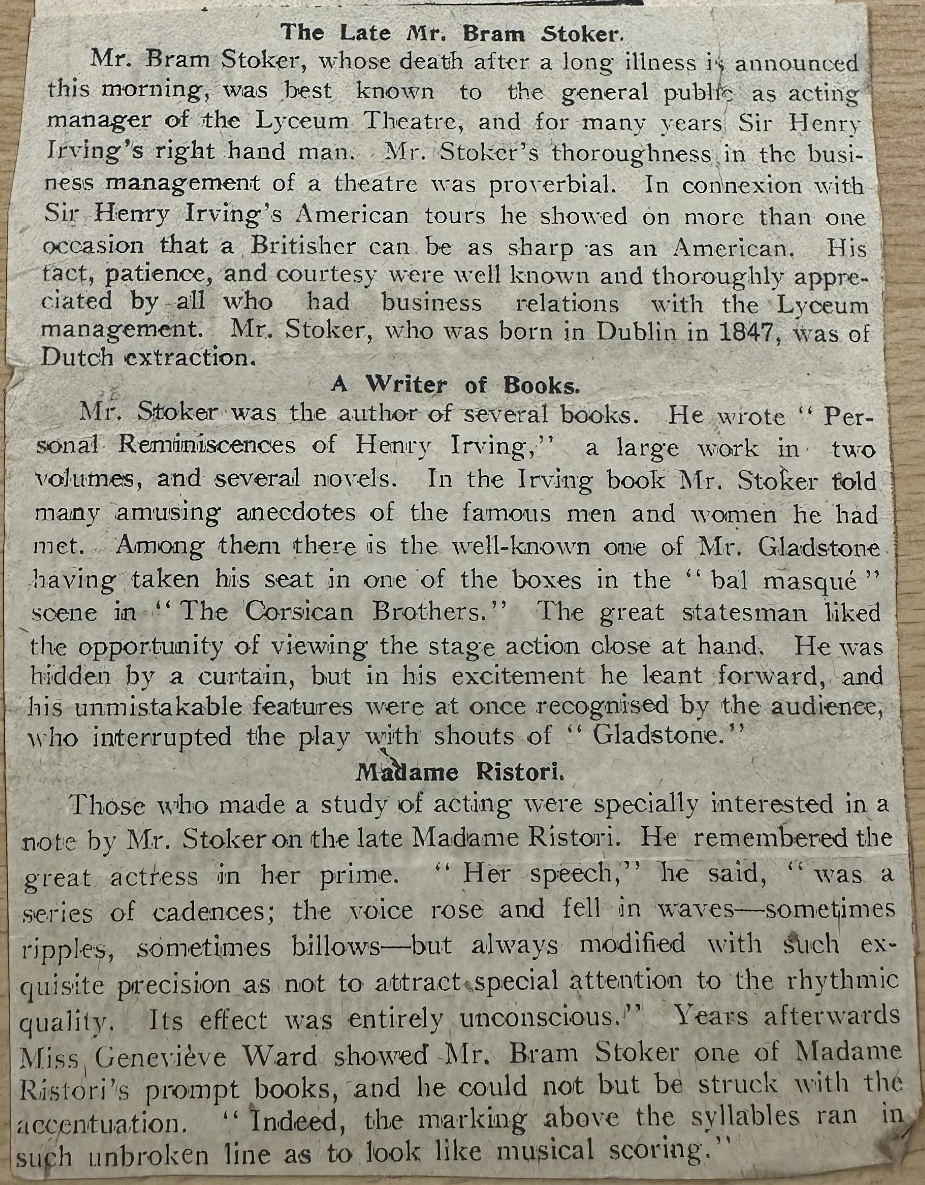
A surviving clipping emphasises Stoker’s association with Henry Irving. The clipping stamp appears to read 22 April, but the exact day remains unconfirmed.
A surviving clipping recalls Stoker’s theatre management and personal qualities. The clipping stamp appears to read 22 April, but the exact day remains unconfirmed.
The Evening Star quotes an appreciation of Irving that Stoker contributed to the Manchester Guardian. Stoker sets the actor’s public honours beside the revenue from his British and American performances, drawing on his own experience handling the receipts. The New Zealand column is a reprint source; the original Guardian article’s date still needs tracing.
A New Zealand theatre column reports Stoker’s evidence to a House of Lords committee on dramatic copyright. He argues that novelists should control stage adaptations and playwrights the conversion of plays into novels, using the Lyceum’s Faust and The Dead Heart as examples of the commercial relationship between theatre and books.
This New Zealand theatre column reports the farewell to Henry Irving’s company and outlines its forthcoming American tour with Ellen Terry. It describes the planned New York debuts, the advance shipment of scenery and an itinerary through major US cities. The itinerary is a contemporary announcement, rather than proof that every engagement occurred as planned.
Journal of the Statistical and Social Inquiry Society of Ireland
Bram’s mother urges public support for deaf children’s education, comparing provision in Ireland with arrangements abroad. Delivered on 13 May 1863 and published that December, the paper reveals her reforming interests. The linked transcription retains the original period language.