work
Dracula on Stage and Screen
Dracula’s life on stage and screen is a history of reinvention. Performers, directors and designers have changed the Count’s appearance, motives, surroundings and even death while returning to Bram’s central creation. The examples below trace selected milestones rather than attempt a complete filmography.
For the first stage reading and the history of the novel, see Dracula. Florence Stoker tells the story of licensing and the Nosferatu dispute; this page follows what adaptations did with the material.
Milestones
| Year | Adaptation | Why it matters |
|---|---|---|
| 1897 | Dracula: or The Un-Dead, Lyceum Theatre, London | Bram’s own one-off reading on 18 May to protect the stage copyright. |
| 1922 | Nosferatu, dir. F.W. Murnau | Unlicensed. Florence Stoker won her case in the German courts and copies were ordered destroyed. |
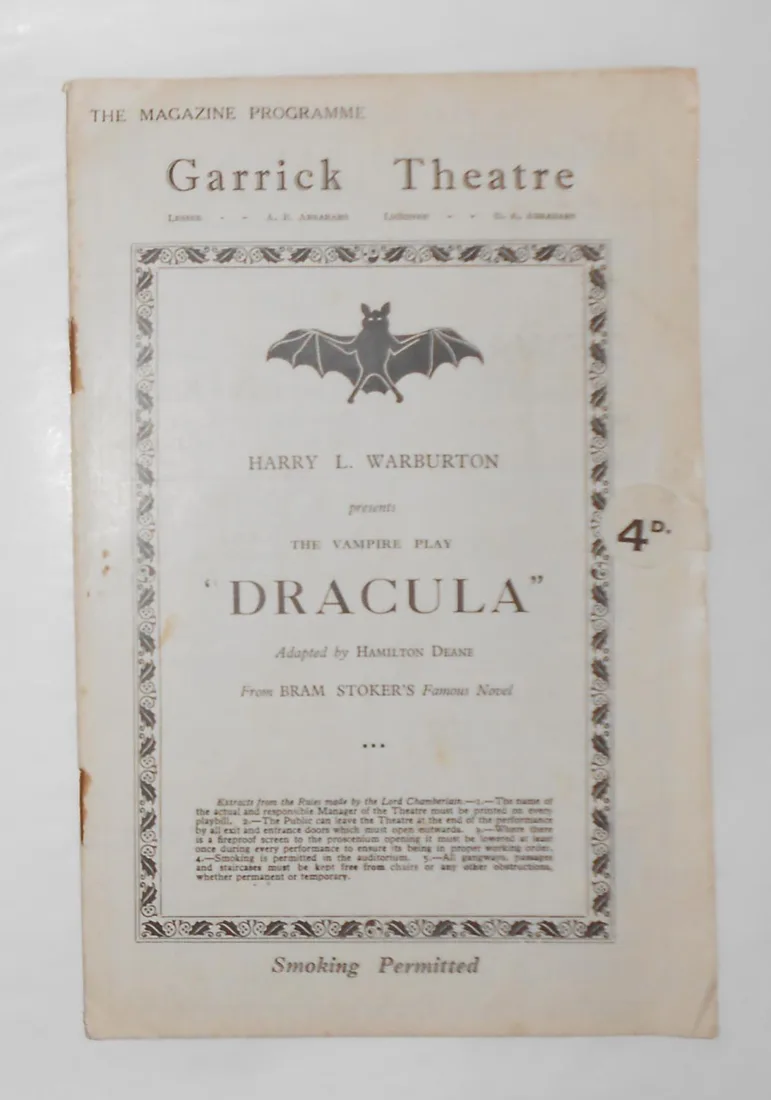
| 1924 | Hamilton Deane’s Dracula, Grand Theatre, Derby | The first licensed stage adaptation, first performed at Derby’s Grand Theatre on 15 May 1924. It introduced the Count’s evening dress and high-collared cloak. |
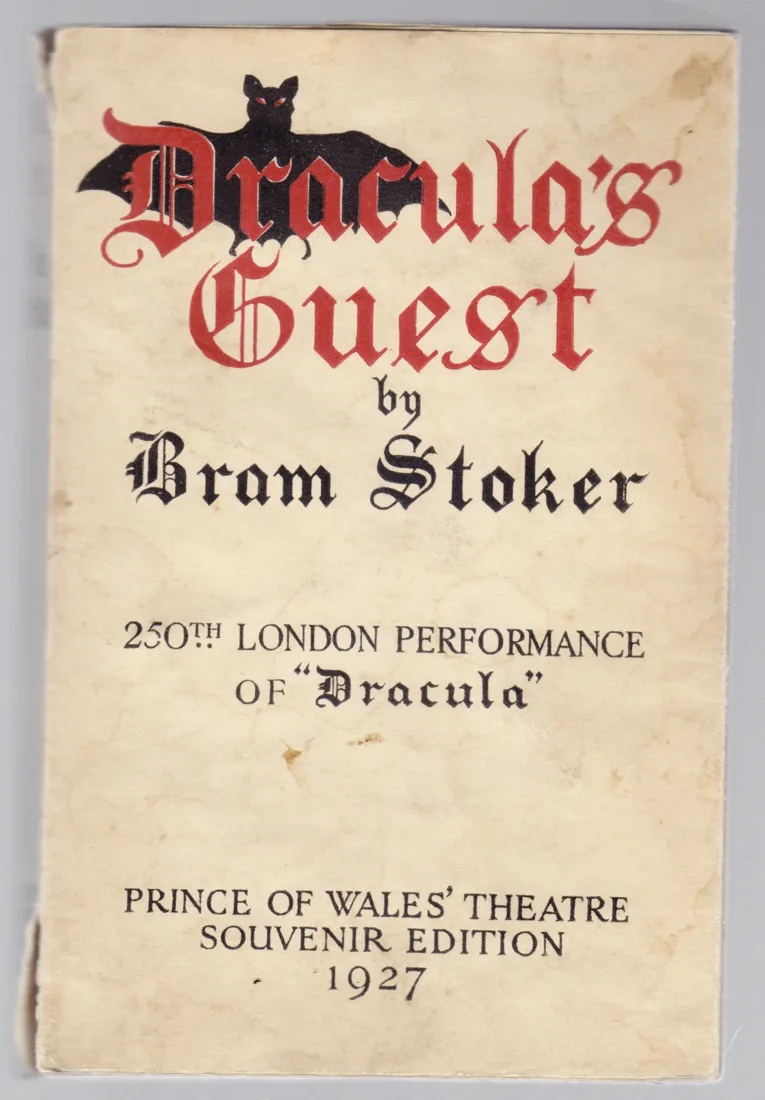
| 1927 | Deane and Balderston’s Dracula, Broadway | Revised by John L. Balderston; opened at the Fulton Theatre, New York, on 5 October 1927, starring Bela Lugosi. |
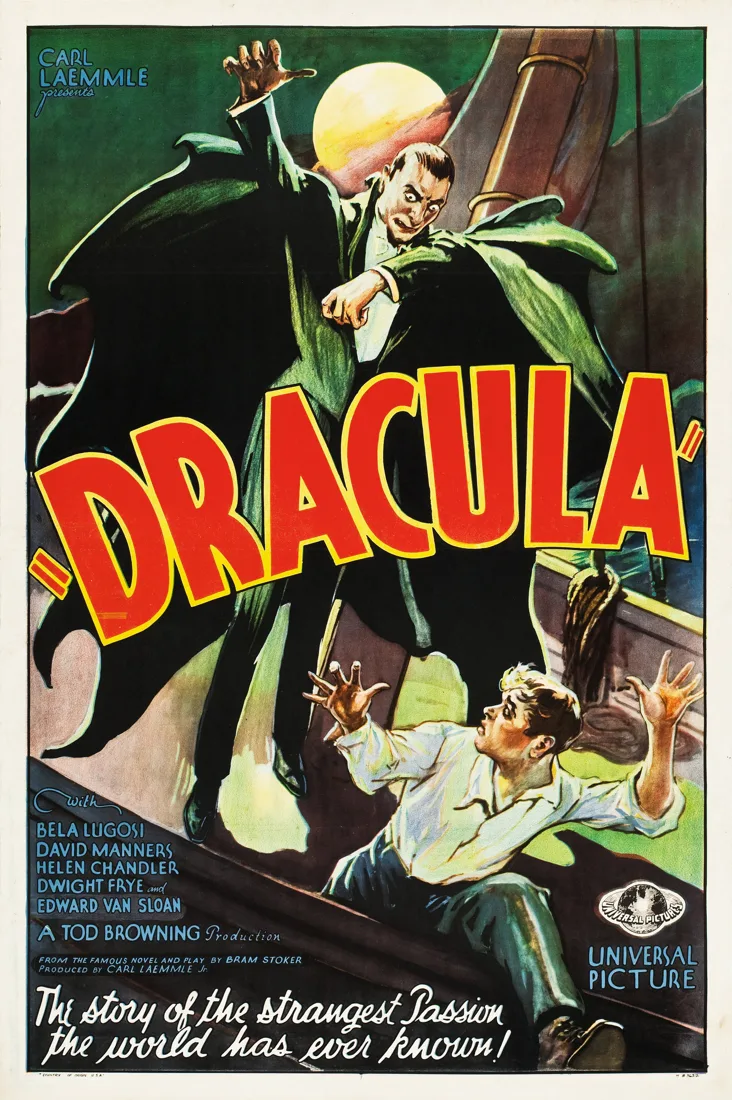
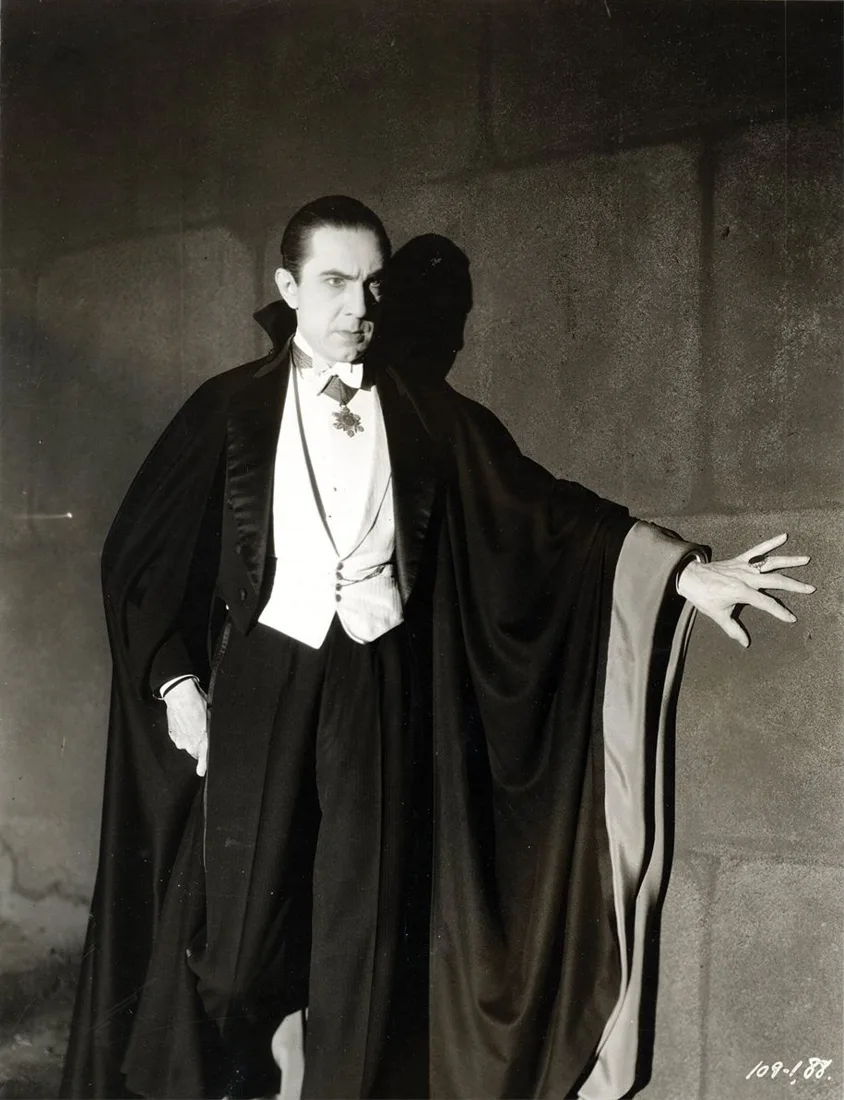
| 1931 | Dracula, Universal, dir. Tod Browning | Lugosi’s performance defined the Count for a generation. |
| 1931 | Drácula, Universal, directed by George Melford | A Spanish-language production used the same sets as the Lugosi film with a different cast, extending the screen story across languages. |
| 1953 | Dracula in Istanbul, directed by Mehmet Muhtar | A Turkish adaptation through Ali Rıza Seyfi’s local reworking, illustrating how Dracula changes through translation and setting. |
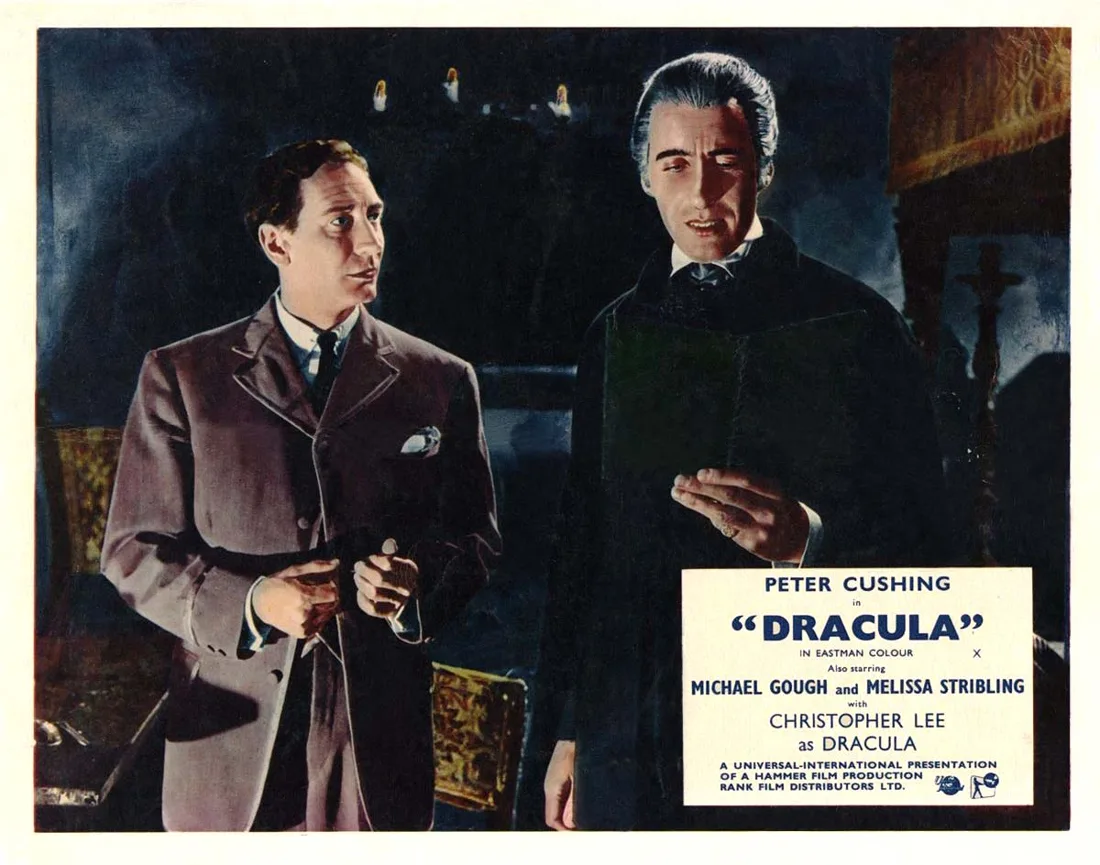
| 1958 | Dracula, Hammer Films, dir. Terence Fisher | Christopher Lee and Peter Cushing brought the Count and Van Helsing into Hammer’s vivid colour cinema. |
| 1977 | Count Dracula, BBC | Louis Jourdan and Frank Finlay brought the story to television in a dramatisation of the novel. |
| 1979 | Dracula, dir. John Badham | Frank Langella, transferring from his Tony-nominated Broadway role. |
| 1979 | Nosferatu the Vampyre, directed by Werner Herzog | Revisits Murnau’s imagery and brings a melancholy reading of the vampire to the story. |
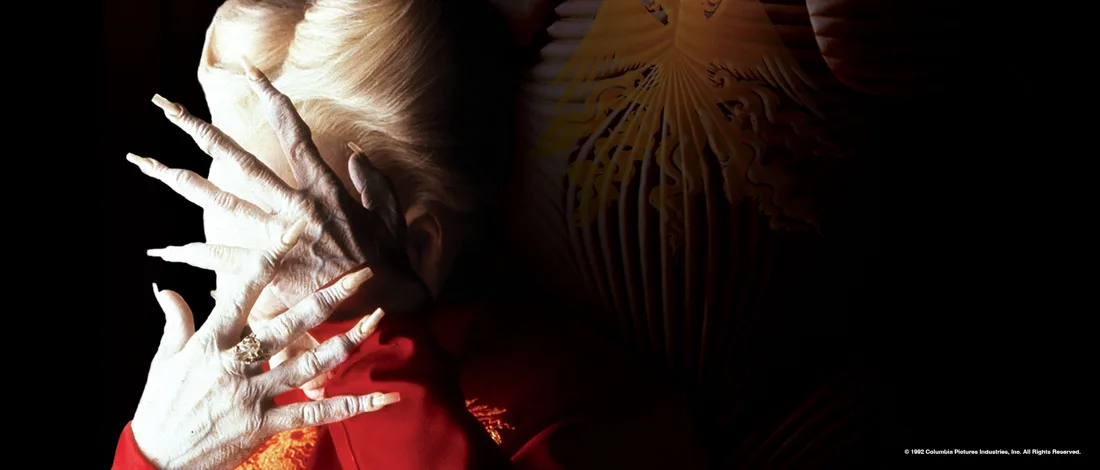
| 1992 | Bram Stoker’s Dracula, dir. Francis Ford Coppola | Gary Oldman’s Count appears in an elaborate visual reimagining that foregrounds romance alongside horror. |
| 2020 | Dracula, BBC/Netflix | Claes Bang, written by Mark Gatiss and Steven Moffat. |
| 2024 | Nosferatu, directed by Robert Eggers | A new reimagining of Murnau’s film and Stoker’s legacy, showing the continuing power of the story. |
| 2025 | Dracula, dir. Luc Besson | Caleb Landry Jones plays the Count in a romantic reimagining centred on his search for a lost love. |
| 2026 | Dracula, Noël Coward Theatre, London | Cynthia Erivo plays all 23 roles in Kip Williams’ one-woman adaptation for Sydney Theatre Company, 4 February – 30 May 2026. |
| 2026 | Hammer’s Dracula (1958), 4K restoration | Restored by Hammer and Silver Salt with Warner Bros, reinstating footage previously seen only in Japan in 1958. In UK cinemas from 16 October 2026; collector’s edition from 26 October (John Gore Studios). |
| 2026 | Bram Stoker’s Dracula, Audible Original | Released 1 October 2026. A full-cast audio adaptation by Robyn Ahern, directed by Mary Lambert, with Jonathan Bailey as the Count, Ella Purnell as Mina and Maggie Gyllenhaal as Van Helsing; released in English, French, Italian and two Spanish versions, with German and Brazilian Portuguese in 2027. It is told around Mina’s reconstruction of the documents. Audible · Launch report. |
The look of the Count
The Count of the novel begins as an old man with a long white moustache and grows younger as he feeds. The familiar image of evening dress and an opera cloak developed through later stage and screen portrayals, including those associated with Hamilton Deane and Bela Lugosi. Henry Irving’s commanding presence has been proposed as an influence on the Count, but the best-known theatrical portrayals of the Count came after both Irving and Bram had died.
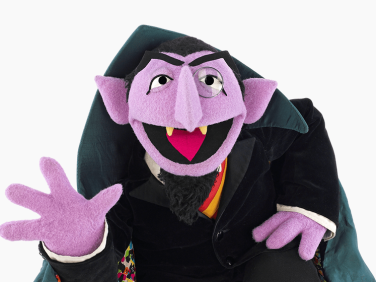
Count von Count: Dracula reaches Sesame Street
Since 1972, Count von Count has brought a friendly, number-loving version of the vampire to Sesame Street. More than half a century later, his cloak, fangs and theatrical manner remain a playful echo of Dracula. The Smithsonian identifies his starting point as a parody of Bela Lugosi’s screen portrayal of the Count: a television descendant of the character Bram Stoker created.
Sesame Workshop reported that its work reached one billion children and adults across 150 countries in 2024. The Count’s long place in that world shows how far a playful descendant of Bram’s Dracula has travelled. That figure describes Sesame Workshop’s overall reach, rather than a measured audience for the Count alone.
Meet Count von Count at Sesame Workshop · The Smithsonian’s Count von Count puppet record · Sesame Workshop’s 2024 impact report
Beyond the screen
The story also lives through ballet, opera, musicals, audio and illustrated books. Each medium finds different ways to represent a voice, a body or an unseen threat. Explore current performances in Events and selected reading in the Bibliography.
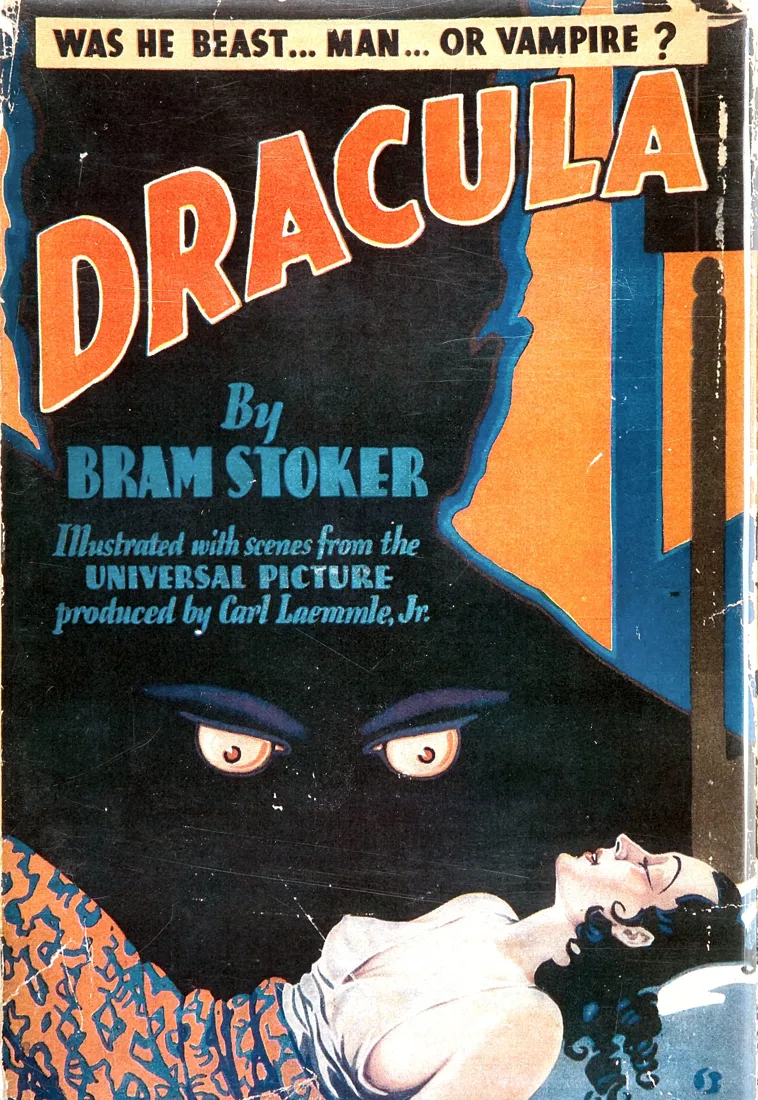
In its August 2015 count, Guinness World Records recorded Count Dracula in 538 cinema and television films, compared with 299 for Sherlock Holmes, his nearest literary rival – almost twice as many. This is a dated comparison, rather than a count of appearances today.