Ireland · Biographical connection
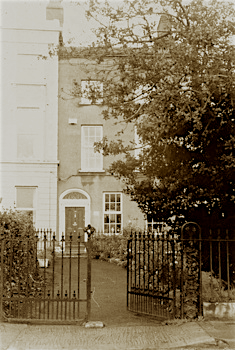
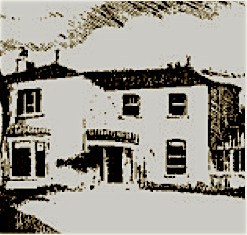
15 Marino Crescent, Clontarf
Birthplace, 8 November 1847. A crescent of 26 Georgian houses built in 1792. Florence Balcombe’s family lived at No. 1.
 Official Estate
life
Follow Bram’s life from Dublin to London and the Scottish coast, and across North America with the Lyceum company. This map covers real places connected with his homes, family, work, research and travels. For the novel’s settings, use the separate Places in Dracula map.
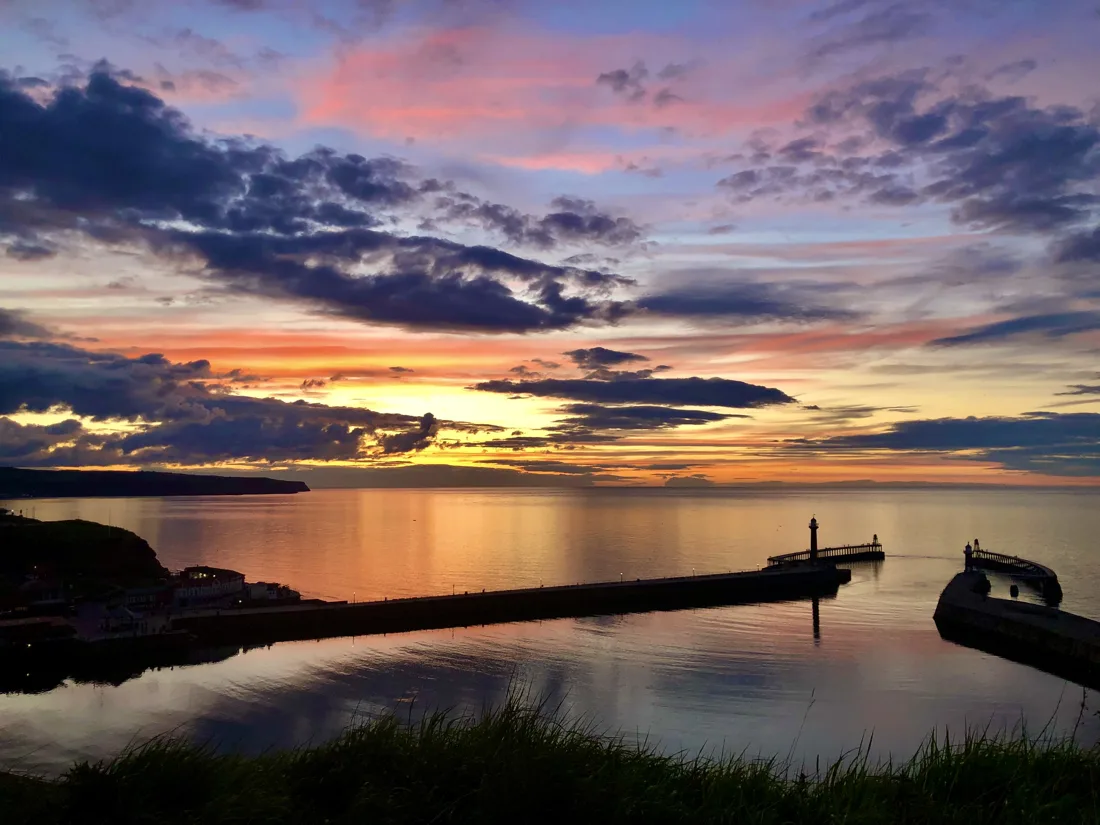
Pins give approximate locations connected with Bram’s life, family, work and research. Each entry explains the connection; a family connection does not by itself establish that Bram visited.
31 places
Ireland · Biographical connection
Birthplace, 8 November 1847. A crescent of 26 Georgian houses built in 1792. Florence Balcombe’s family lived at No. 1.
Ireland · Biographical connection
The Stoker family’s parish church, where Bram was baptised.
Ireland · Biographical connection
Family home from when Bram was two.
Ireland · Biographical connection
Student, athlete and debater, 1864–1870; BA 1870, MA 1875.
Ireland · Biographical connection
Where Bram, like his father, worked as a civil servant until 1878.
Ireland · Biographical connection
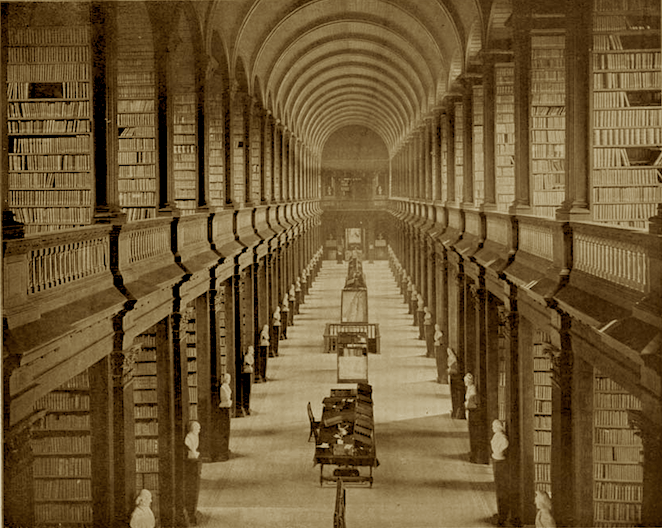
Bram consulted books here in 1866 and 1867. Surviving visitors’ and readers’ registers document his visits. The library was established in 1701 and opened to the public in 1707.
Ireland · Biographical connection
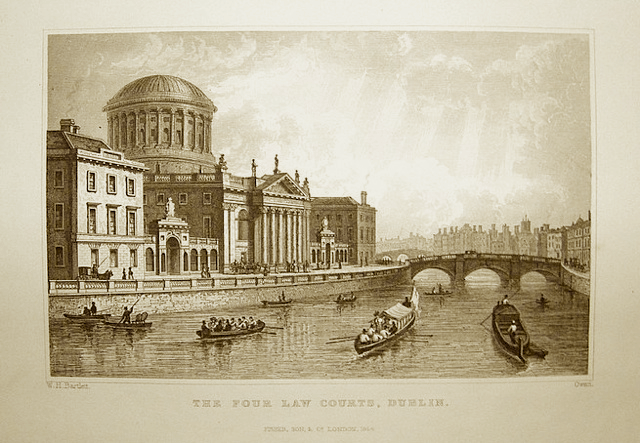
Where Bram reviewed Irving’s Hamlet in December 1876.
Ireland · Biographical connection
Where Irving and Bram dined after the review and their friendship began.
Ireland · Biographical connection
Bram’s lodgings in 1877, above a grocery and wine shop.
Ireland · Biographical connection
Bram married Florence Balcombe here on 4 December 1878.
Ireland · Family connection
Sligo was Charlotte Stoker’s home town. Her account of its 1832 cholera epidemic forms part of Bram’s family history; this entry does not assert that Bram visited.
Britain · Biographical connection
Bram’s workplace from 1878 until Irving’s company left the Lyceum in 1902. He continued as Irving’s manager until Irving’s death in 1905.
Britain · Biographical connection
A London family home by 1882. Noel’s recollection names No. 26; another supplied account gives No. 27. The precise house number remains to be checked. The family first lived at 7 Southampton Street, Bloomsbury, after moving to London in 1878.
Britain · Biographical connection
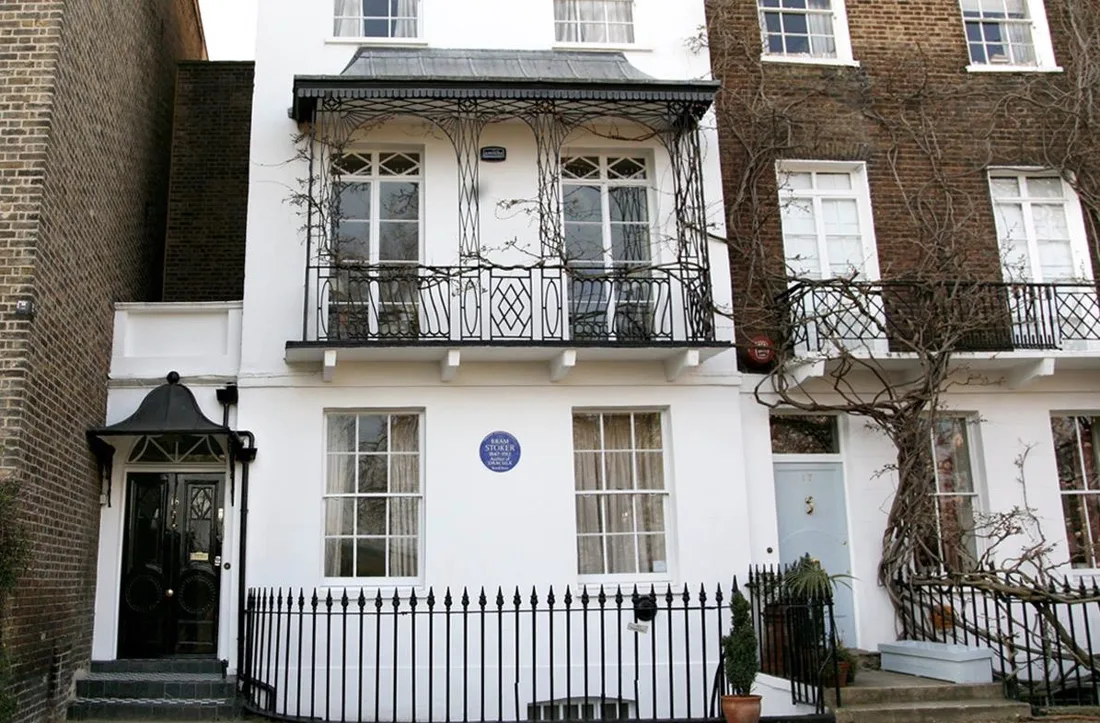
Family homes until 1906, when the Stokers moved to 4 Durham Place, Chelsea; they moved to Pimlico in 1911. Much of Dracula was written here; the blue plaque is at No. 18. Noel recalled the move to No. 17 as about 1884, while another supplied chronology dates the move earlier.
Britain · Biographical connection
Bram’s last home, from 1911, where he died on 20 April 1912.
Britain · Biographical connection
Where his ashes rest, with those of his son Noel.
Britain · Biographical connection
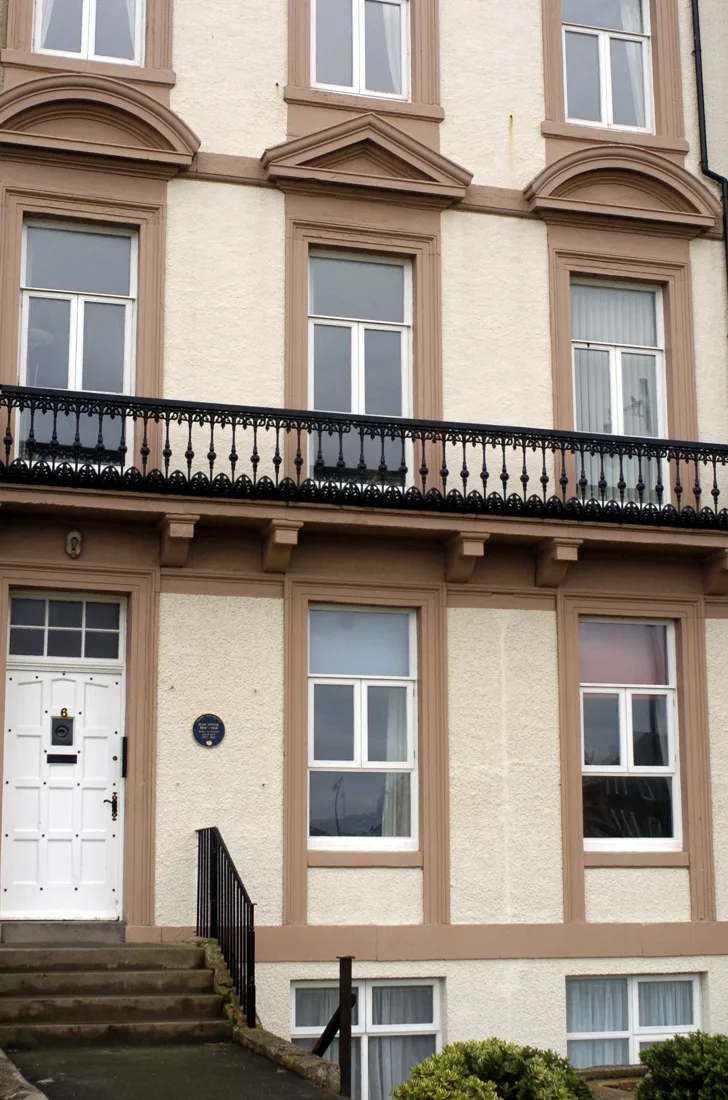
Bram holidayed in Whitby in 1890. He stayed at 6 Royal Crescent and researched local history in the subscription library on Pier Road.
Britain · Holiday and writing retreat
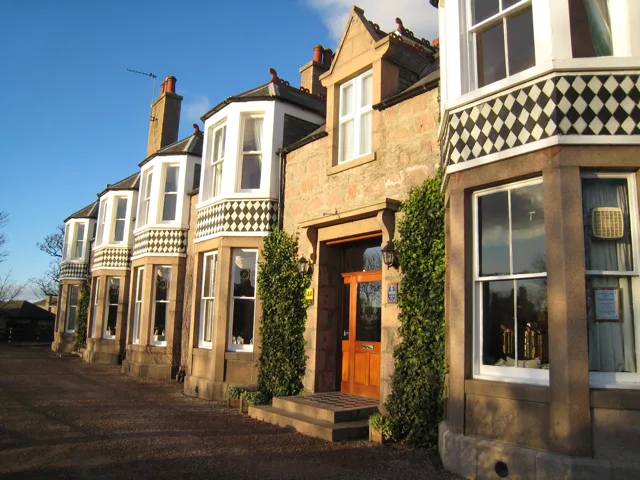
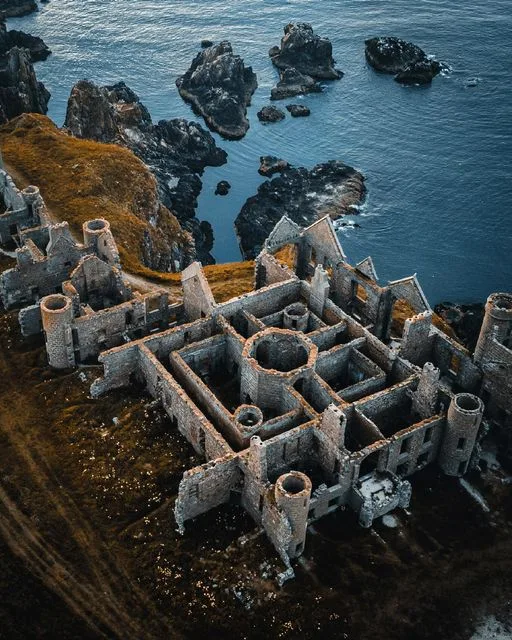
Bram returned to Cruden Bay for holidays and writing from the 1890s. The hotel and harbour have separate entries.
Britain · Biographical connection
Opened on 10 September 1883 with a visit by Irving’s Lyceum company, which Bram managed.
Britain · Biographical connection
Where Bram began work for Irving in November 1878.
Beyond · Theatre tours
Eight Lyceum tours between 1883 and 1904, over 50,000 miles by rail. Bram spent more than four years in the USA in total.
Britain · Biographical connection · approximate area
Noel Thornley Stoker’s recollections name this as the family’s first London home after the move in 1878. The historical street name and modern building identification remain unresolved. The pin marks an approximate Bloomsbury location, not a confirmed present-day No. 7.
Source: Estate archives.
Britain · Research
Bram joined the London Library in 1890. It has identified volumes likely used for his research through marks corresponding to his working notes. This is a separate institution from the British Museum Reading Room.
Source: The London Library.
Britain · Biographical connection
The hotel preserves Bram’s guest-book signature dated 1894. It documents a hotel stay, rather than establishing his first visit to the wider Cruden Bay area.
Source: Read source.
Britain · Holiday landscape
Port Erroll is the harbour at Cruden Bay, where Bram returned for holidays and writing. The pin marks the harbour in that coastal landscape.
Source: Estate archives — Cruden Bay walking guide.
Britain · Biographical connection
Bram stayed at Mrs Veazey’s lodging house here during his 1890 holiday. It stands on the West Cliff, across the harbour from the churchyard and abbey.
Britain · Research · approximate location
Bram consulted the subscription library on Pier Road in 1890 and encountered the name Dracula in William Wilkinson’s account. The museum occupied the floor above. The pin marks the historical quay area; the precise building identification remains to be confirmed.
Source: Whitby Museum.
Britain · Biographical connection
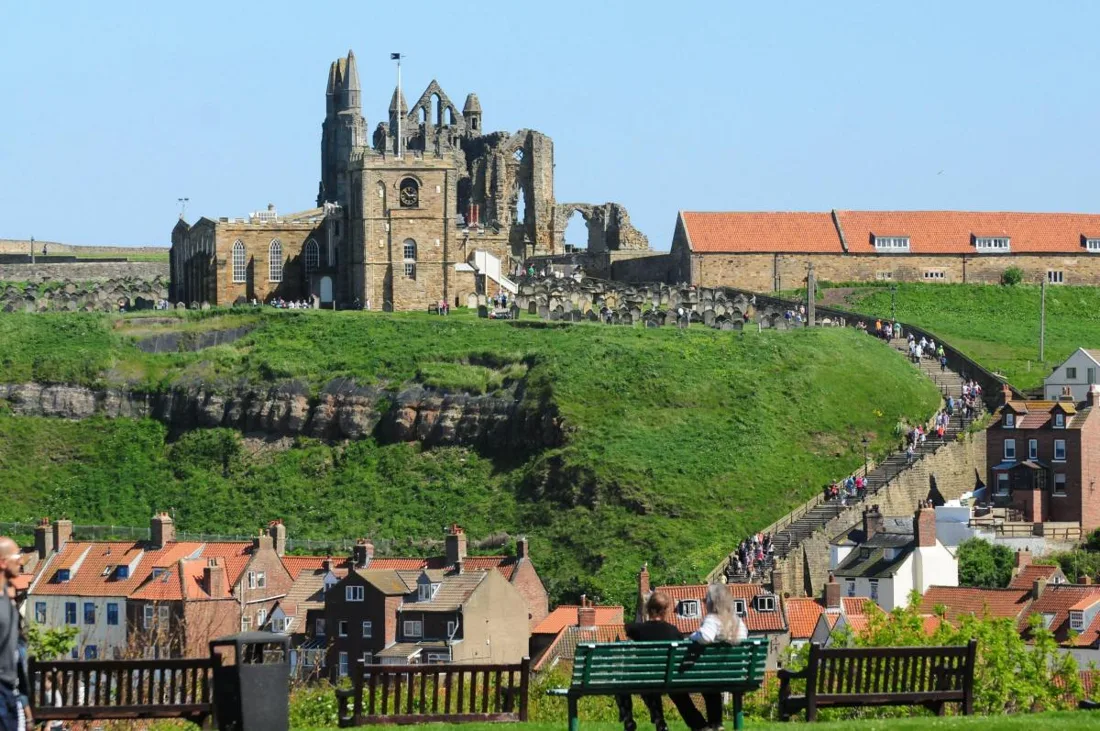
Bram recorded names and inscriptions in St Mary’s churchyard during his time in Whitby. The churchyard stands above the harbour on the East Cliff.
Britain · Whitby landscape
Whitby Abbey’s ruins rise on the East Cliff, part of the coastal landscape Bram knew during his 1890 holiday.
Beyond · Biographical connection
Bram visited Whitman at 328 Mickle Street (now Dr Martin Luther King Jr Boulevard) on 2 November 1886 and again in December 1887. Their first meeting in March 1884 took place at Thomas Donaldson’s home in Philadelphia, not here.
Source: Personal Reminiscences of Henry Irving, volume II, Whitman chapter.
Britain · Biographical connection · approximate area
The Stokers’ home between St Leonard’s Terrace and Pimlico, from 1906 to 1911. Bram’s letter to the Royal Literary Fund of 25 February 1911 bears this address. The pin indicates the Chelsea area, not a surveyed historical doorway.
Source: Bram’s letter to the Royal Literary Fund, 25 February 1911.
Bram’s memory is marked in the places he knew: the blue plaque at St Leonard’s Terrace in Chelsea, Bram Stoker Park opposite Marino Crescent in Dublin, and the Whitby memorial bench looking towards the landscape associated with the novel.
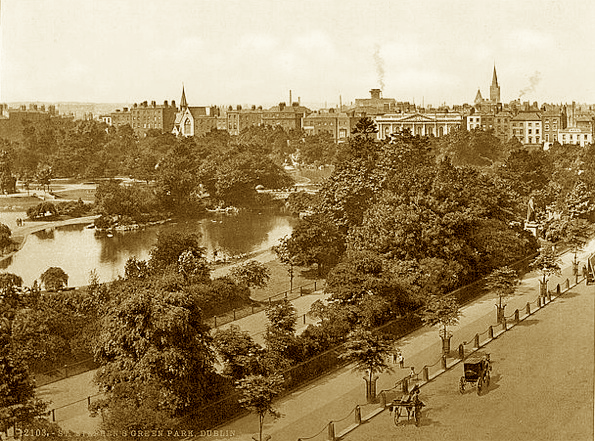
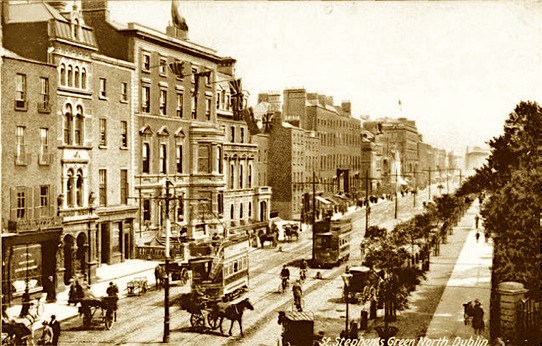
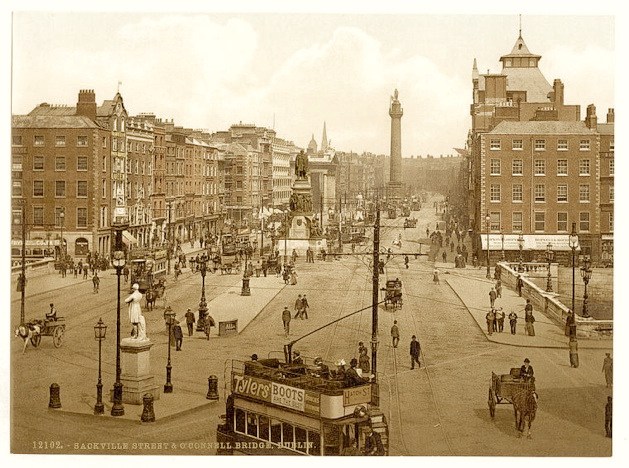
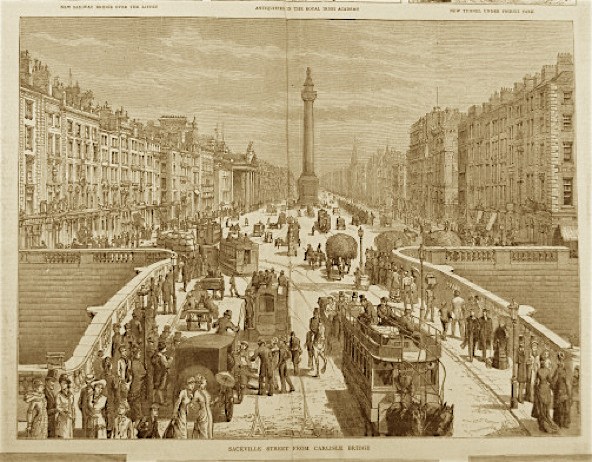
Bram’s The Great White Fair in Dublin describes the 1907 exhibition in Herbert Park.