Help us improve this website

life

Friends and contemporaries

Bram’s world extended from Dublin’s literary circles to the Lyceum’s first nights and American touring cities. Some of the people below were close friends; others were colleagues, interview subjects or occasional guests. Their letters and encounters reveal different sides of his life.

Six connections to explore

The friend to whom Dracula was dedicated.

The Sherlock Holmes storyteller responding to another.

Bram’s theatrical partners.

Theatre, illustration and friendship.

A letter that became a friendship.

Dublin families and Chelsea neighbours.

Dublin and family connections

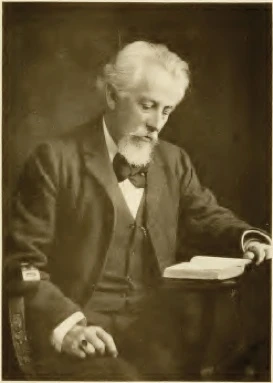
Edward Dowden

1843–1913

A Trinity professor, Shakespeare scholar and mentor to Bram, Dowden helped connect Dublin readers with Walt Whitman. Bram remembered discussing Irving’s acting with him, and in about 1872 the two men planned to share the hospitality for a proposed Irish visit by Whitman. The visit never happened: Whitman’s paralytic illness in 1873 intervened. Their enthusiasm nevertheless helped sustain Bram’s early American literary connection. At the Fortnightly Club debate in February 1876 Dowden answered Whitman’s critics by reading from “Faces”, and Bram spoke after him.
Explore elsewhere: The Whitman correspondence · Bram at Trinity

Frank Frankfort Moore

1855–1931

A novelist and satirist, Moore was also Bram’s brother-in-law through his marriage to Grace Balcombe, Florence’s sister. The connection joins the Stokers’ family life to the world of professional writing. He belongs here as a member of the extended Balcombe family as well as a fellow author, rather than simply another literary acquaintance. Bram lists “Mr. and Mrs. F. Frankfort Moore” among the guests at Irving’s table.
Explore elsewhere: Florence and the Balcombe family

Dr George Ferdinand Shaw

1821–1899

Bram’s tutor at Trinity was a Fellow of the college and a joint editor of The Irish Times. His interests crossed teaching, journalism and public life. That combination places him within the Dublin world in which Bram developed his own habits of debate, reviewing and newspaper work before moving to London.
Explore elsewhere: Bram at Trinity

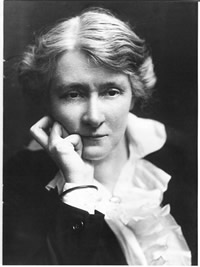
Hester Dowden

1868–1949

Edward Dowden’s daughter grew up within the Dublin literary world known to Bram. She later became a well-known medium and published conversations she claimed to have had with Oscar Wilde’s spirit. Her place in this circle connects two generations of the Dowden family; those later spiritualist claims are distinct from contemporary evidence of Bram’s dealings with Oscar.
Explore elsewhere: Her father, Edward Dowden

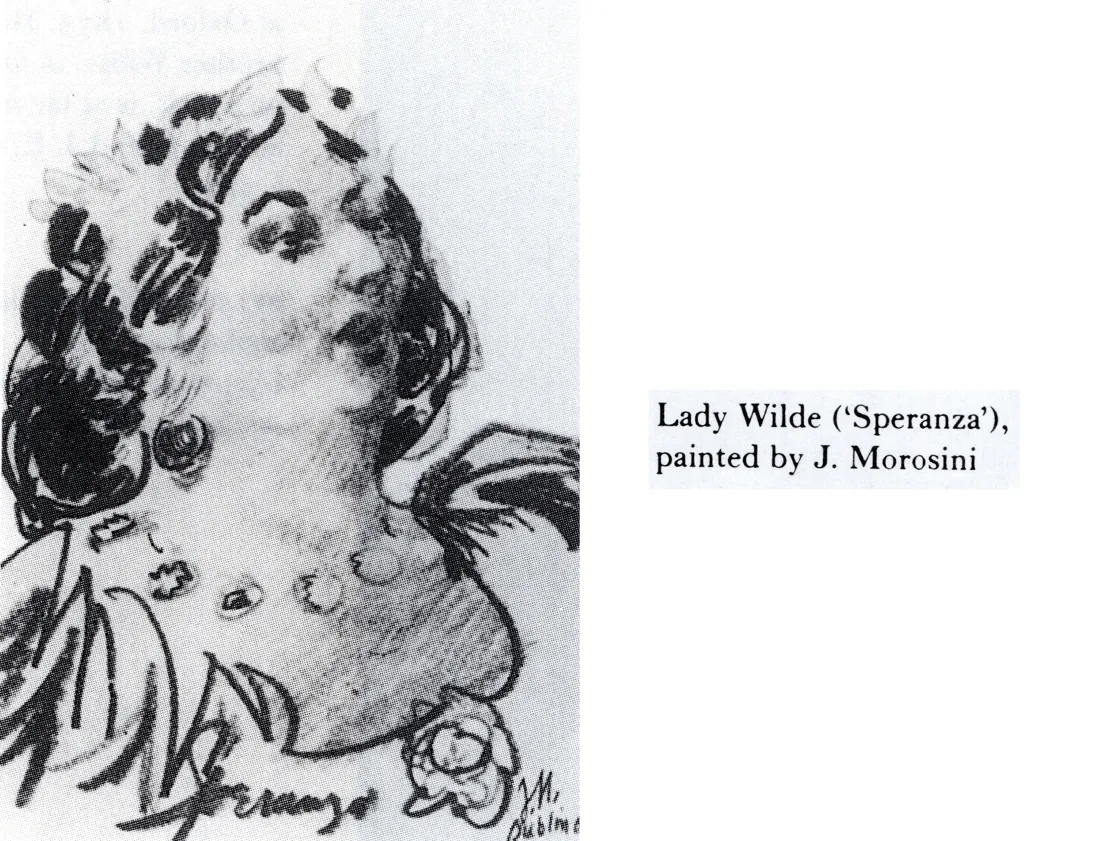
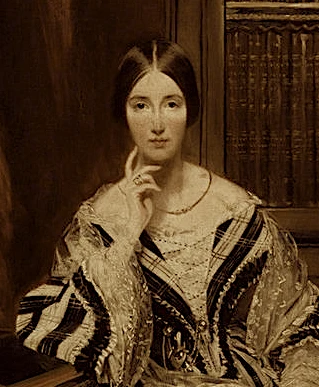
Lady Jane Wilde, “Speranza”

1821–1896

Jane Wilde was a poet, nationalist and collector of Irish folklore whose Saturday salons brought writers and visitors to the family home in Merrion Square. Bram attended these gatherings. Her Ancient Legends, Mystic Charms, and Superstitions of Ireland appeared in 1887; the Stoker family recalls that Bram read it and was influenced by it. She deserves a place here for her own writing and hospitality, not only as the mother of Oscar and Willie.
Explore elsewhere: Irish influences on Dracula

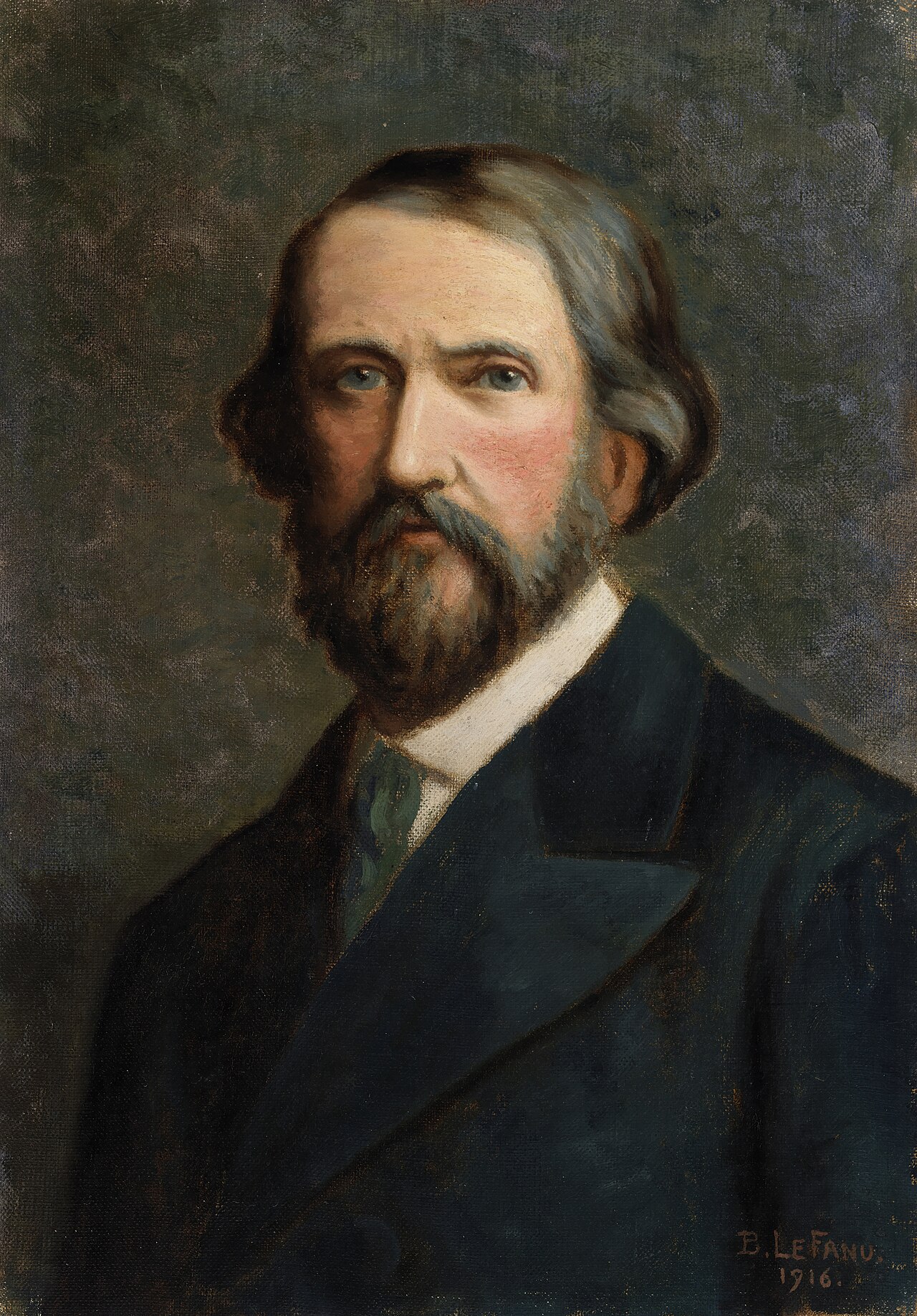
Sheridan Le Fanu

1814–1873

A Gothic novelist and co-owner of the Dublin Evening Mail, Le Fanu belonged to the newspaper world in which Bram began reviewing plays. His vampire story Carmilla appeared in 1872, twenty-five years before Dracula. It provides an important earlier comparison for the novel’s treatment of intimacy, danger and the vampire, without reducing Bram’s book to a single literary source.
Explore elsewhere: The earlier vampire tradition · Studying Dracula’s literary history

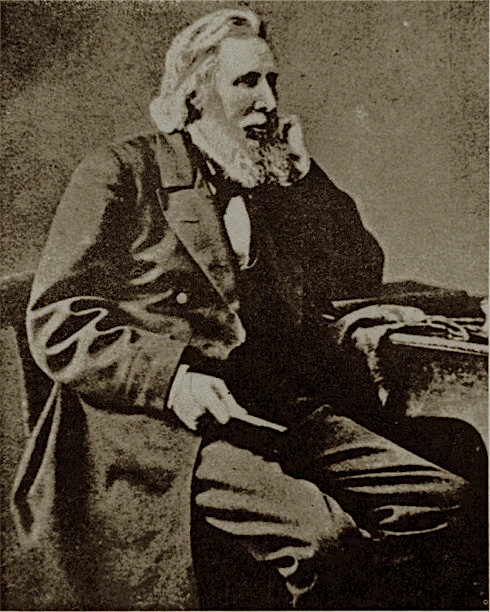
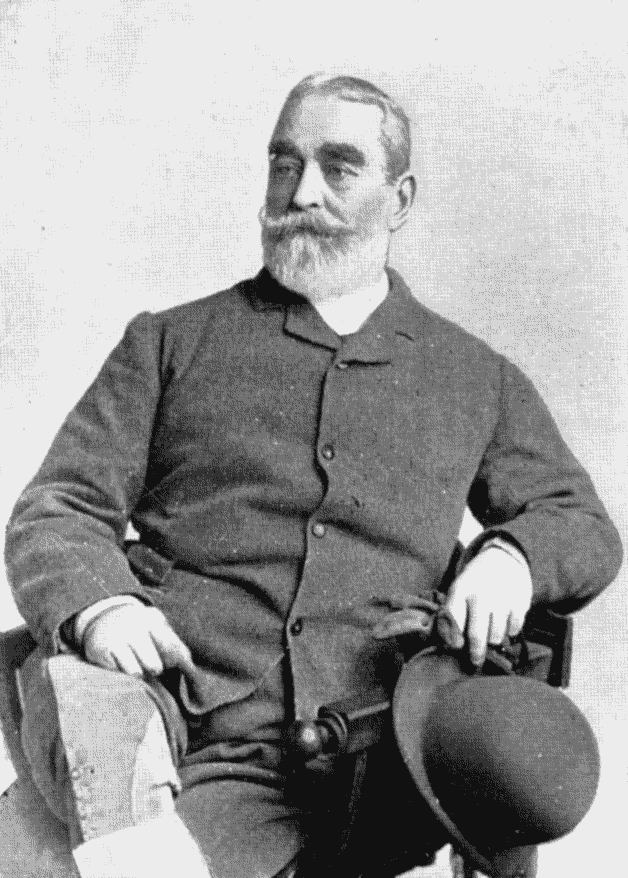
Sir William Wilde

1815–1876

A distinguished eye and ear surgeon, antiquarian and collector of folklore, William Wilde helped make the family home in Merrion Square a meeting place for Dublin’s cultural life. Bram visited the household and knew a family whose interests ranged across medicine, literature and Irish traditions. The entries for William and Jane provide the setting for Bram’s later dealings with their sons, Willie and Oscar.

Theatre and the Lyceum

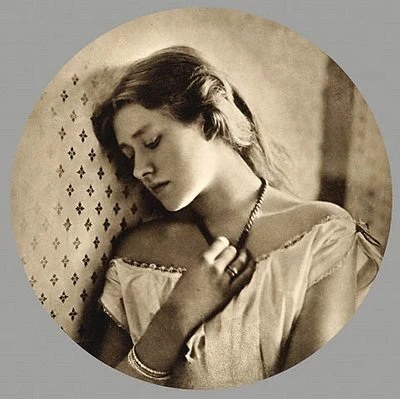
Edith Craig

1869–1947

Ellen Terry’s daughter worked at the Lyceum as an actress and costume designer. Her contribution belonged to the practical as well as the performing life of the company: costumes helped turn a production’s visual ideas into something actors could wear and audiences could read. She is part of the theatrical family around Bram, not simply a name attached to her mother’s career.

Ellen Terry

1847–1928

Terry’s performances were central to the Lyceum’s success. As Irving’s leading actress from 1878, she helped give the company its public identity; her Beatrice opposite his Benedick in Much Ado About Nothing is one of their celebrated pairings. Bram’s work supported the rehearsals, seasons and tours through which audiences encountered those performances.

The connection extended into the Stoker family. Florence appeared alongside Terry and Irving in Tennyson’s The Cup in 1881. Bram’s brother George treated Terry’s infected thumb between scenes of Twelfth Night; she later credited his prompt intervention with saving her arm. Her recollection of George is a vivid glimpse of the company’s everyday life.

Her daughter Edith Craig and the artist Pamela Colman Smith also belonged to this theatrical circle. Smith’s drawings and the album Ellen Peg’s Book of Merry Joys preserve its humour and sociability alongside the more formal records of performances.

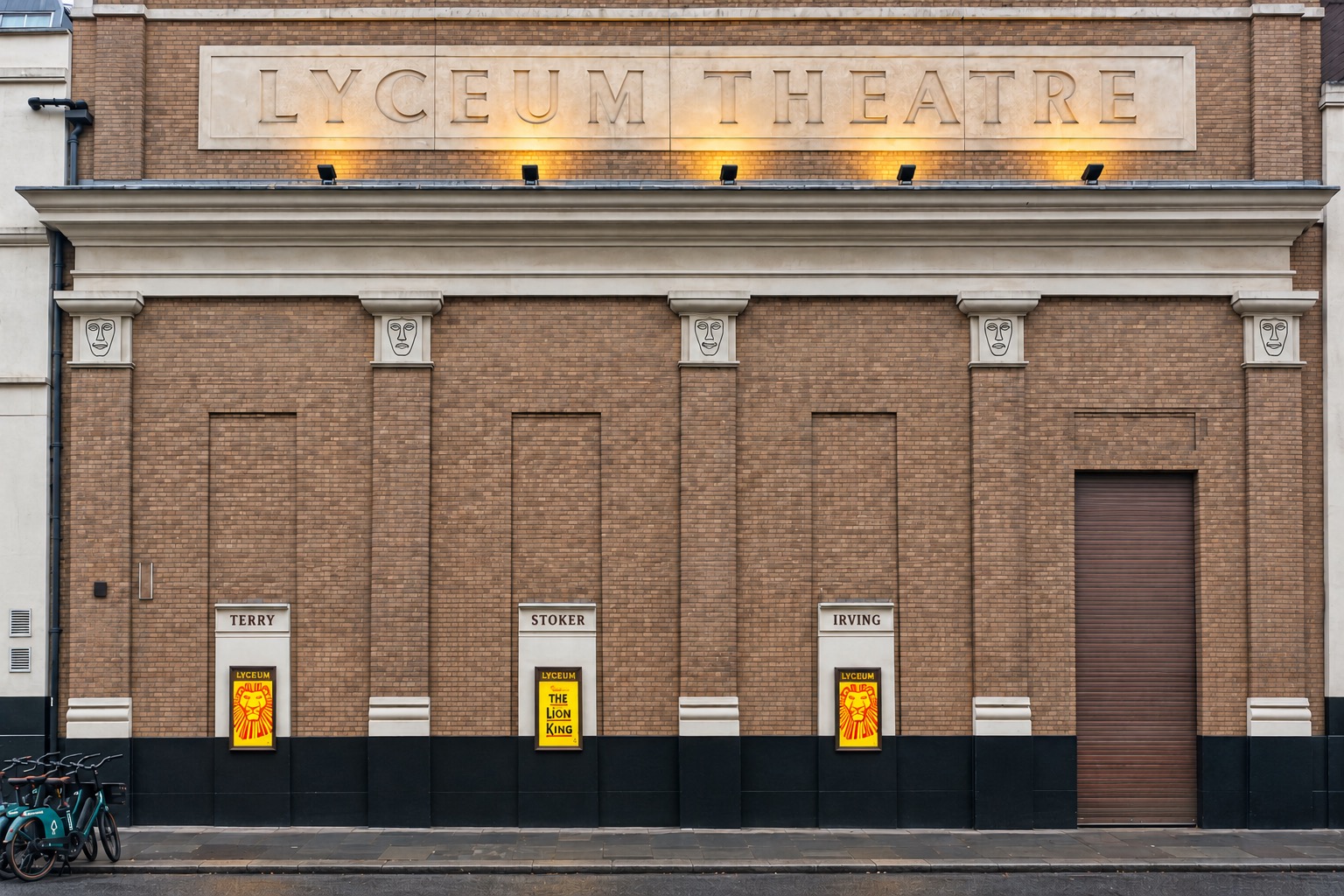
Terry, Bram and Irving are still remembered together on the Lyceum’s Burleigh Street side. The photograph at the end of this section shows the three named panels.

Explore elsewhere: Theatre and the Lyceum

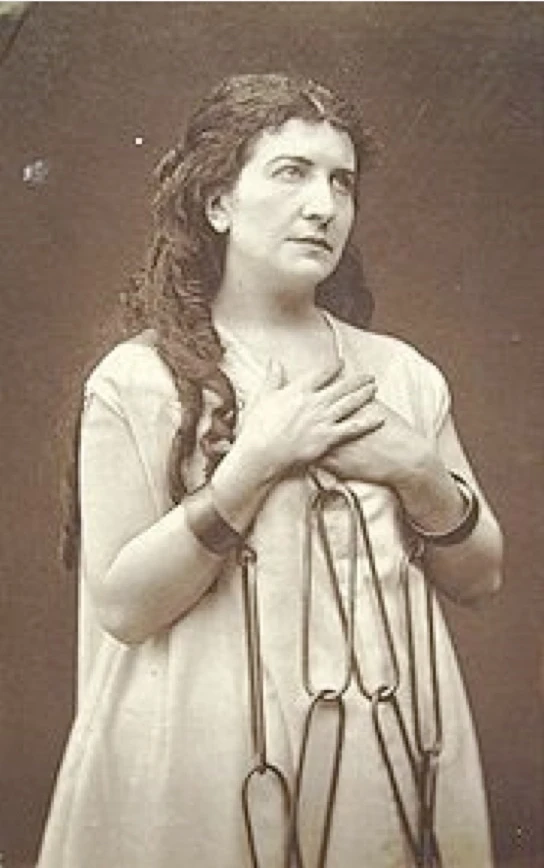
Dame Genevieve Ward

1837–1922

The American-born singer and actress became one of Bram’s enduring friends. He dated the beginning of their close friendship to her Dublin engagement in 1873 and wrote warmly of it in his memoir. She later played Morgan le Fay in Irving’s King Arthur and attended Bram’s funeral in 1912. Some biographers have suggested an early romantic attachment; the long friendship itself is well documented.

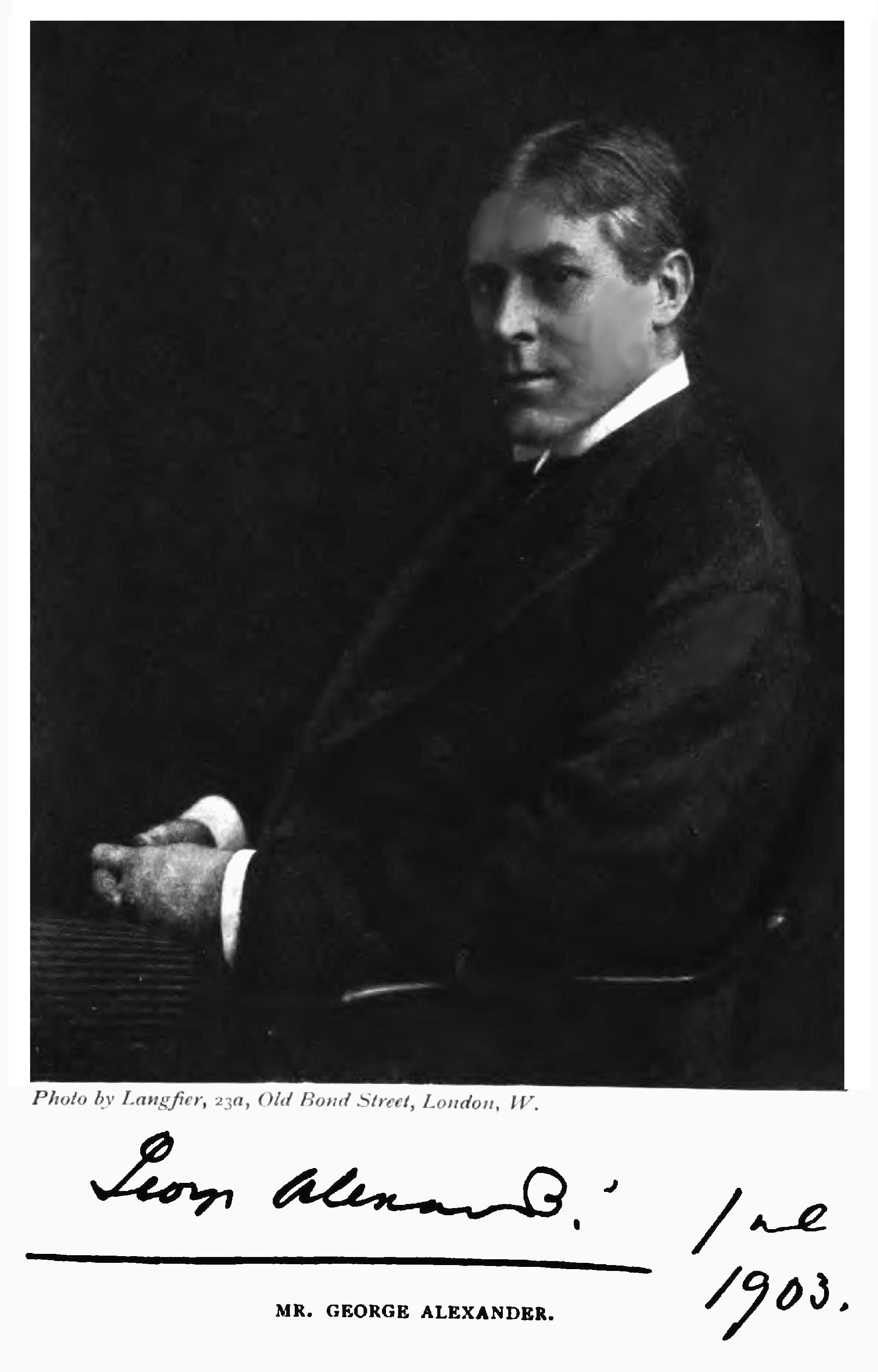
George Alexander

1858–1918

Alexander worked in Irving’s company before becoming a leading actor-manager in his own right. His career links the Lyceum with the St James’s Theatre, where Oscar Wilde’s plays became part of London theatrical history. He belongs to Bram’s working theatrical circle rather than simply to a list of famous performers.

An anecdote recalled by George Grossmith places Alexander and Bram together at a lion-taming show in Birmingham. Read the encounter in Bram in person. Alexander also wrote to Bram and to Irving.
Explore elsewhere: Theatre and the Lyceum

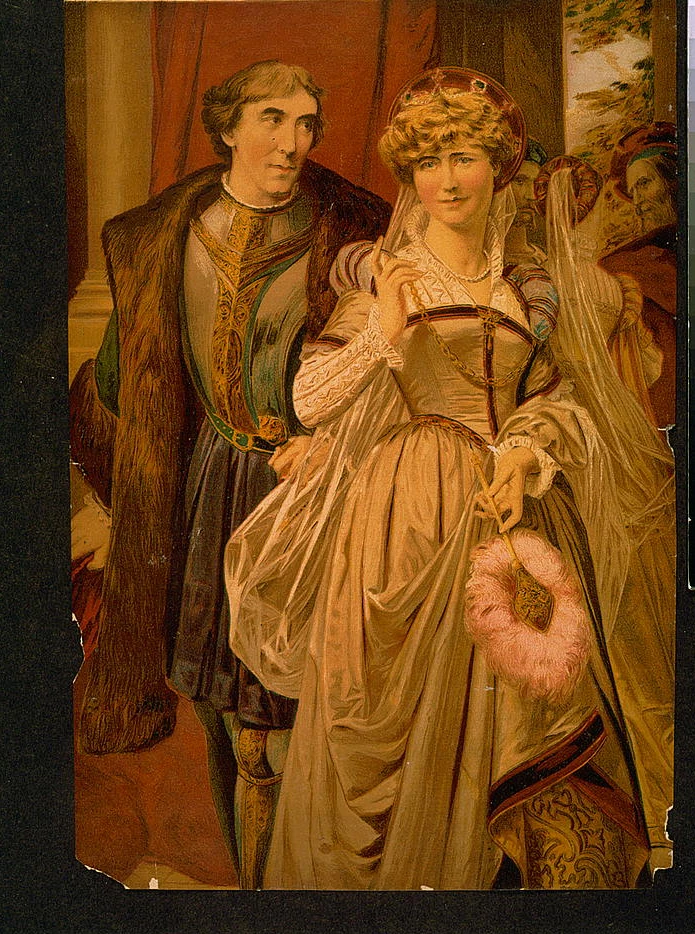
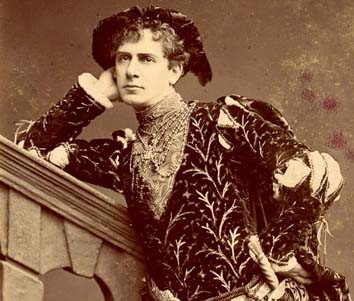
Henry Irving

1838–1905

For twenty-seven years, from 1878 until Irving’s death in 1905, Bram worked for Henry Irving. Their partnership grew out of friendship: after Bram’s enthusiastic Dublin reviews of Irving’s Hamlet in 1876, supper and dinner at the Shelbourne helped turn admiration into a lasting connection. At the Shelbourne dinner on 3 December 1876, Irving recited Thomas Hood’s poem “The Dream of Eugene Aram”. Bram, as he later wrote, “burst out into something like a violent fit of hysterics”. Irving left the room and came back with a photograph of himself, the ink still wet on its inscription: “My dear friend Stoker. God bless you! God bless you!! Henry Irving. Dublin, December 3, 1876.” The biography tells how they first met; Theatre and the Lyceum follows Bram’s work as Acting Manager.

Dinners and late suppers were a substantial part of this shared world. In the Lyceum’s Beefsteak Room, Irving entertained writers, musicians, artists and friends after performances, with Bram helping to organise the hospitality. The room seated at most thirty-six; larger occasions moved onto the stage. Bram recalled 350 guests celebrating the hundredth performance of The Merchant of Venice in February 1880. Surviving programmes and supper menus preserve this social side of the theatre. Bram also recalled a night when he and Irving talked about Macbeth until dawn.

The guest lists bring several friendships on this page together. Ellen Terry was among those who supped with Franz Liszt after Faust in April 1886; Hall Caine talked through a projected novel at supper in November 1892. There were dinners away from the theatre too. At the Savoy on 29 July 1891, the American poet James Whitcomb Riley recited “Good-bye, Jim” to Irving’s party. Bram remembered that all the other men at the table were in tears. Read the Savoy dinner story.

Touring carried these professional and social connections across the Atlantic. Bram arranged the company’s journeys, theatres and accommodation, while its visits created opportunities to meet American writers and artists. His first meeting with Walt Whitman in Philadelphia in 1884, with Irving present, is one example. The American tours account follows the scale of the work behind those encounters.

Bram’s Personal Reminiscences of Henry Irving preserves many of these evenings and conversations, written with affection for his friend. For a contrasting recollection of Irving as an employer, read Max Montesole’s “Henry Irving: Another View”.

Irving and Ellen Terry were the company’s leading performers, while Bram organised the business behind their productions. All three are commemorated on the Lyceum’s Burleigh Street side; see the photograph at the end of this section.

Explore elsewhere: Bram’s account of Irving’s fight for fame · The memoir and its reviewers

Johnston Forbes-Robertson

1853–1937

The actor, who had trained as a painter, played Lancelot in the Lyceum’s King Arthur in 1895, alongside Irving’s Arthur and Ellen Terry’s Guinevere. His letters to Bram from 1879 to 1898 show a long working acquaintance that runs through most of Bram’s Lyceum years. In September 1897 he played his celebrated Hamlet at the Lyceum itself, under his own management, with Mrs Patrick Campbell as Ophelia.

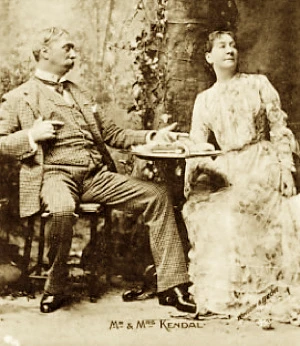
Madge and William Kendal

1848–1935; 1843–1917

The Kendals were actor-managers whose Dublin performances brought them to Bram’s notice as a theatre critic; they became his friends. Like Irving and Terry, they worked within a profession in which performance and management were closely connected. Their inclusion recalls the wider theatrical friendships Bram formed before and alongside his years at the Lyceum.

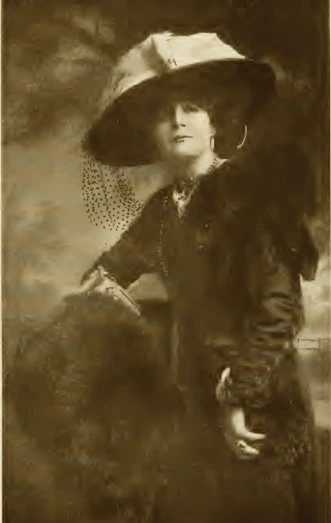
Mary Cora Brown-Potter

1857–1936

An American society figure who became a professional actress, Brown-Potter belongs to the transatlantic world of performers around the Victorian stage. Her career brought together public celebrity and theatrical work, a combination Bram encountered repeatedly through the Lyceum and its tours. Brown-Potter also joined the guests at Irving’s table.

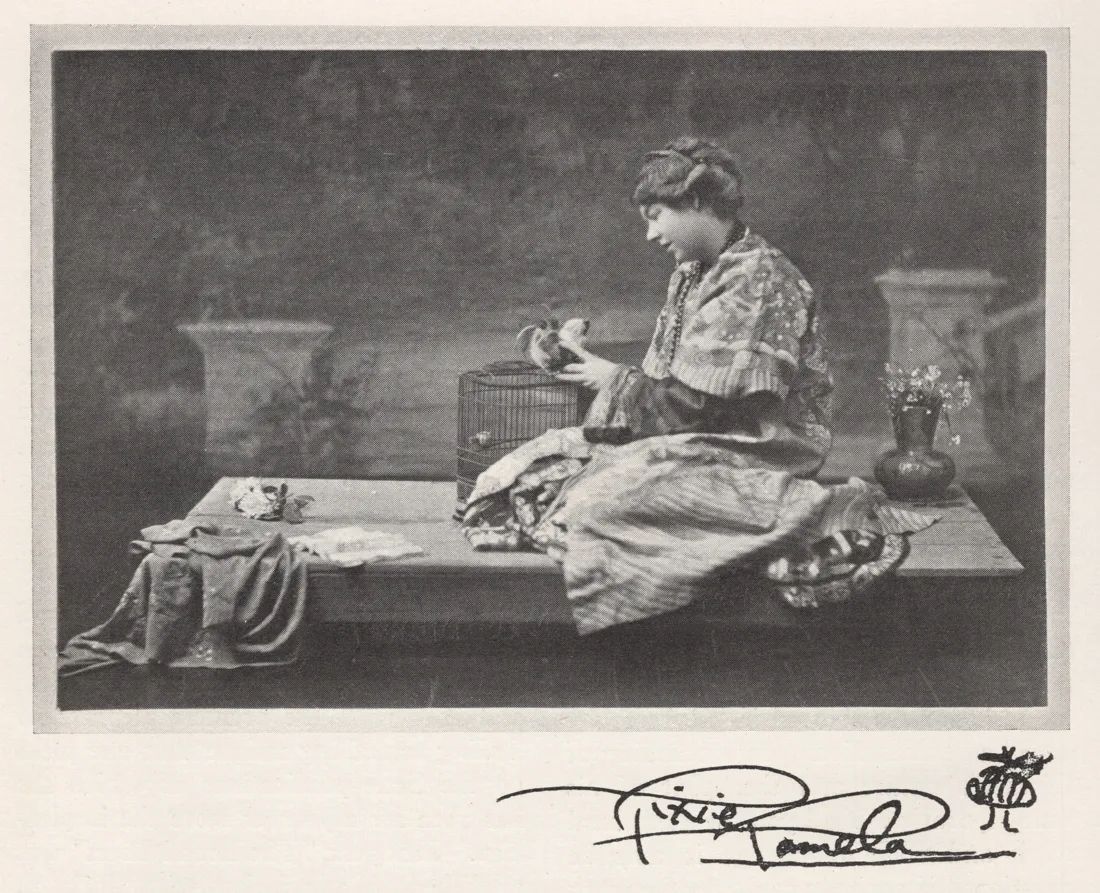
Pamela Colman Smith

1878–1951

Pamela Colman Smith was an artist, illustrator, writer and publisher whose work connects the Lyceum’s theatrical circle with Bram’s later fiction. She is best known for the pictures in the Rider–Waite–Smith Tarot deck, first published in 1909, but her friendship with the company began in the world of performance, travel and illustration.

Smith travelled with the Lyceum company on its American tour from October 1899 to May 1900, recording the journey in drawings and verse. The Stoker family recalls that she called Bram “Uncle Bram”, sometimes took walk-on parts and created souvenir programmes and publicity artwork for him. These family recollections add an informal view of their friendship alongside the dated tour album.

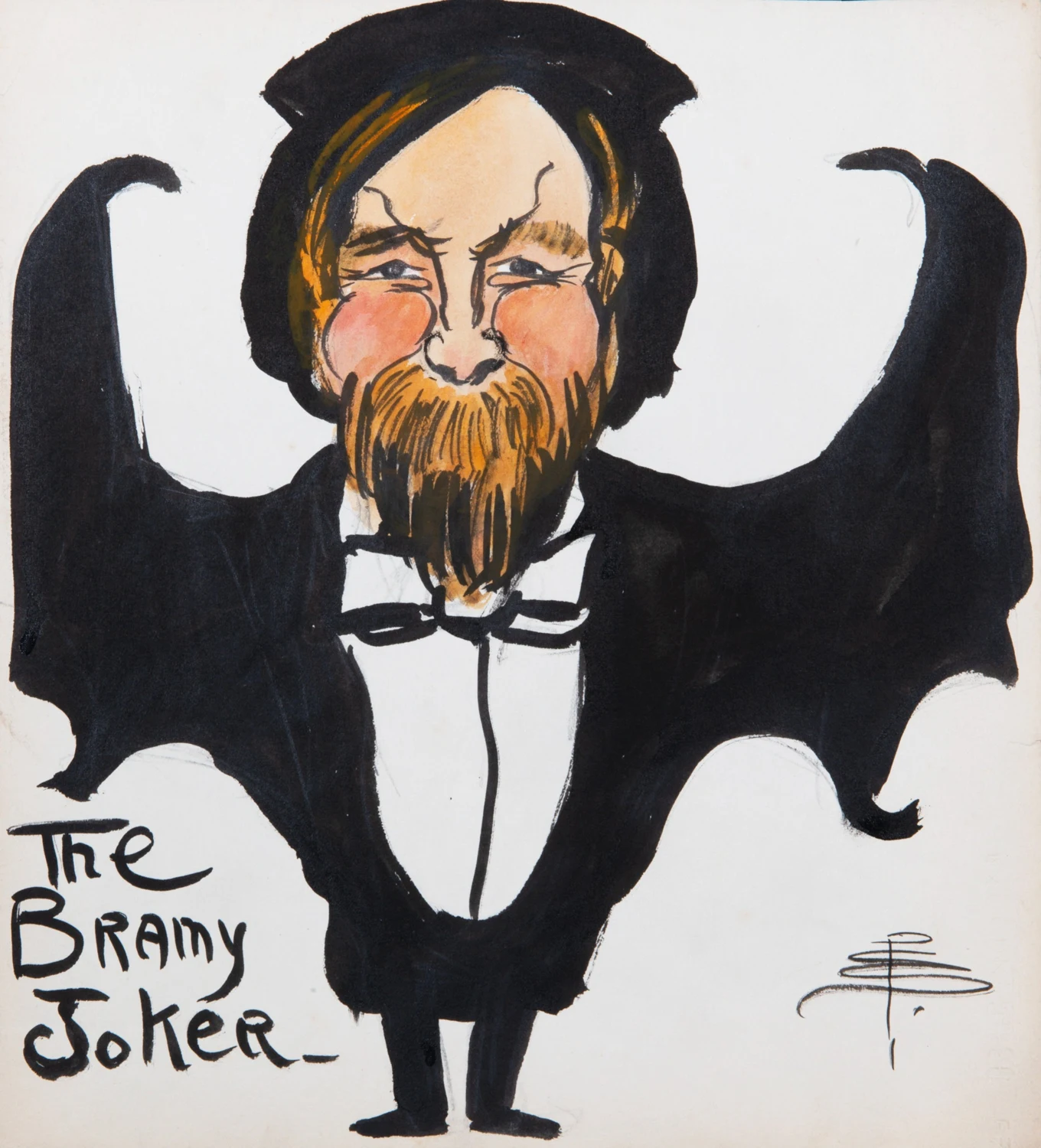
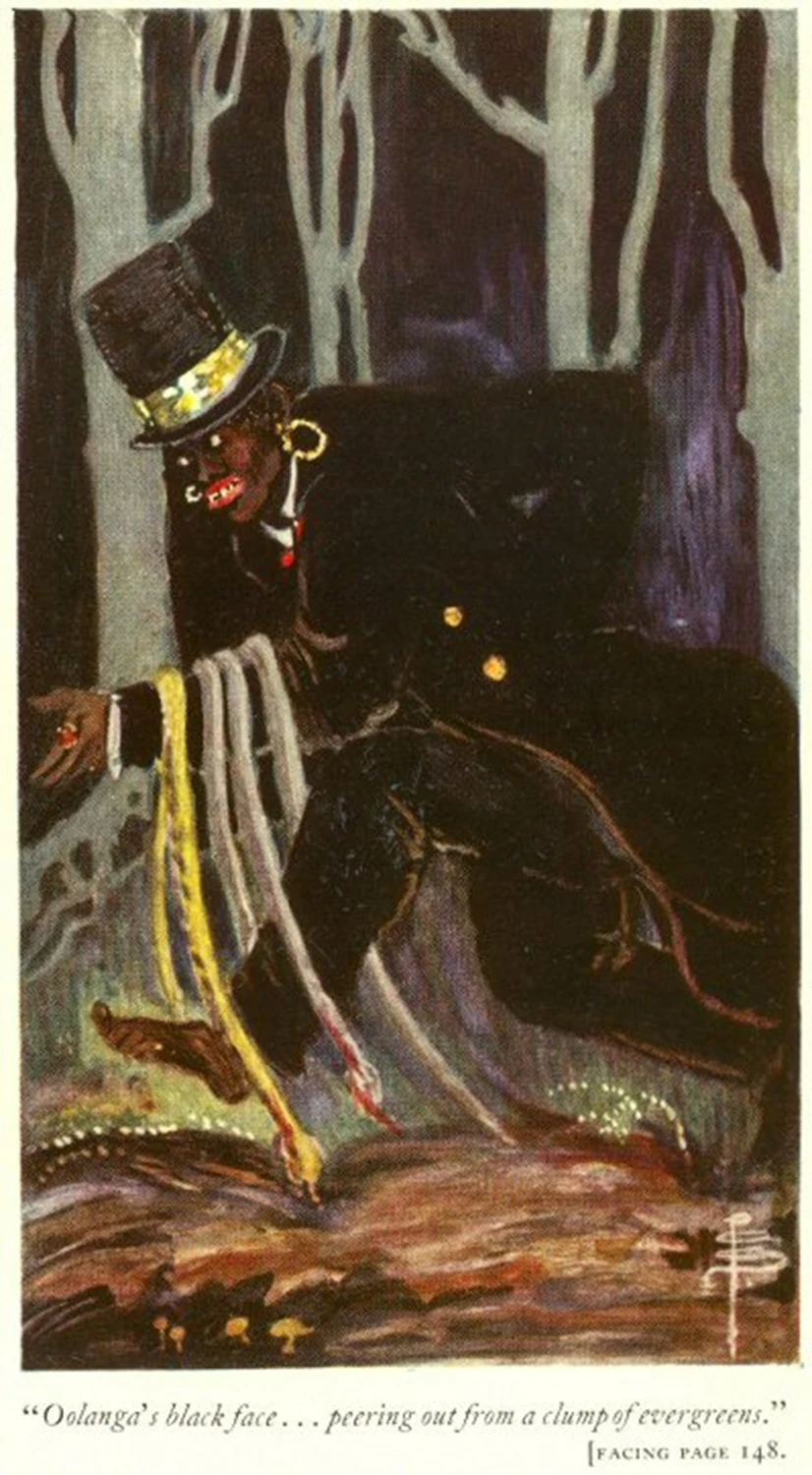
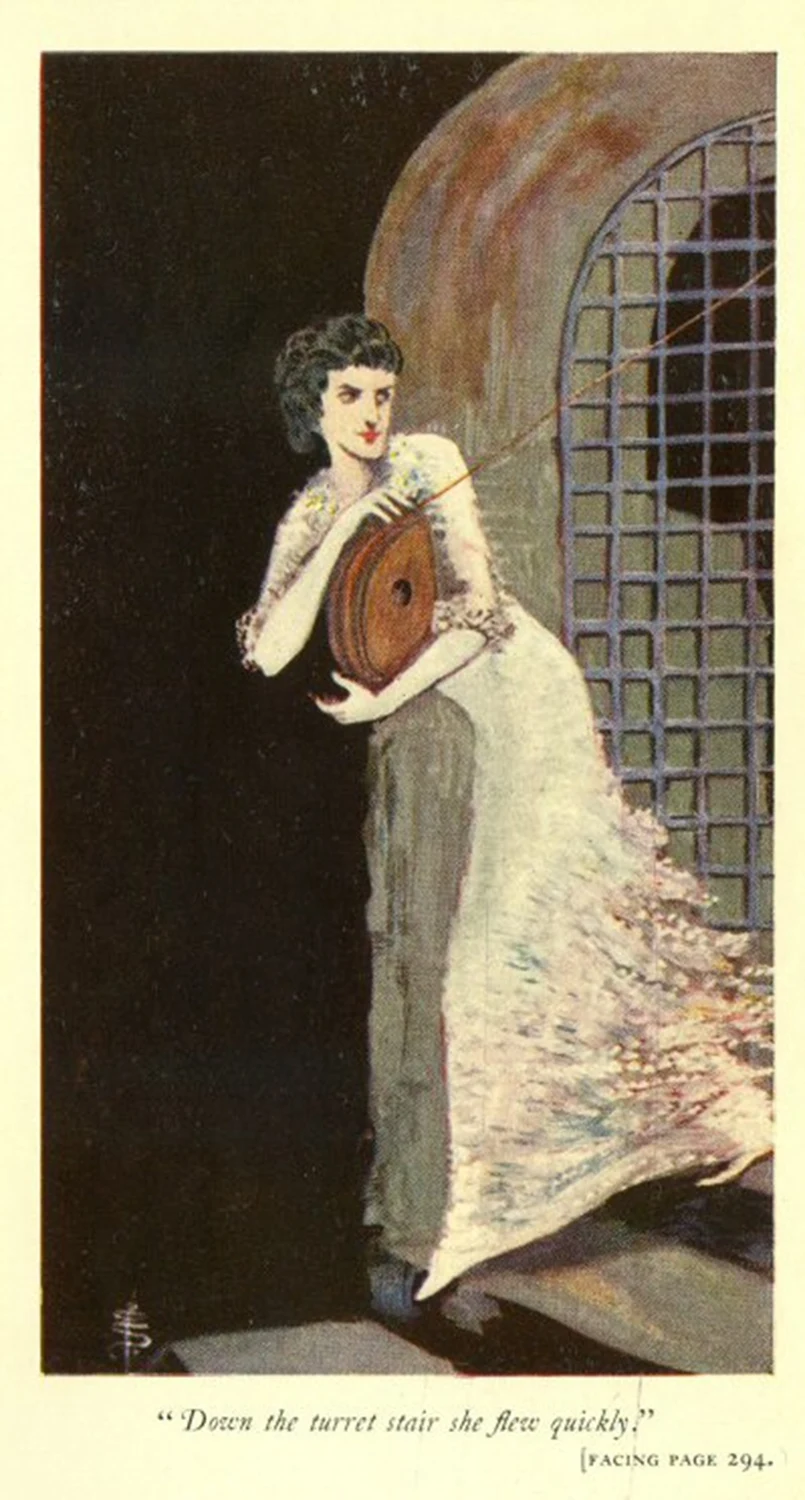
Her caricature The Bramy Joker turns Bram into a bat. It belongs to Ellen Peg’s Book of Merry Joys, an illustrated album associated with Ellen Terry’s circle, and records a playful side of the company. The bat is visible; treating the drawing as a definite reference to Dracula would go beyond what has been established.

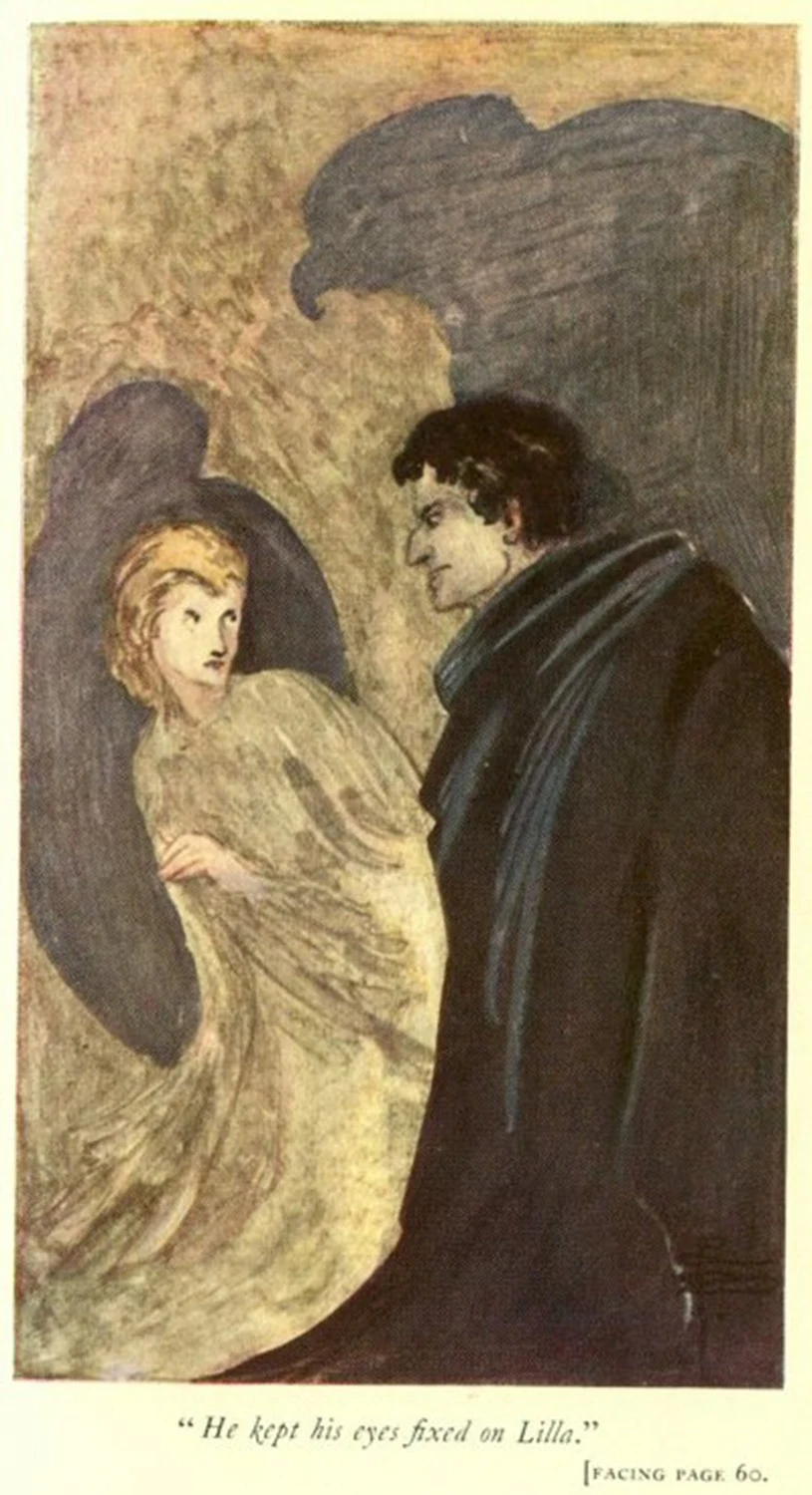
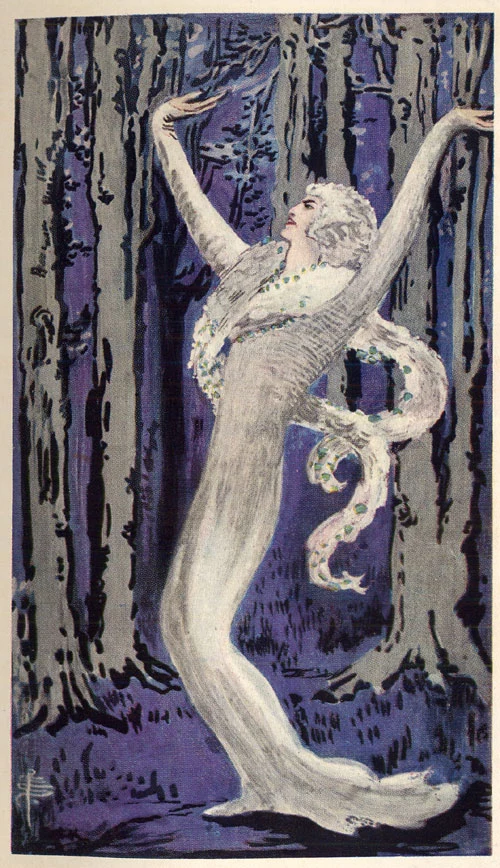
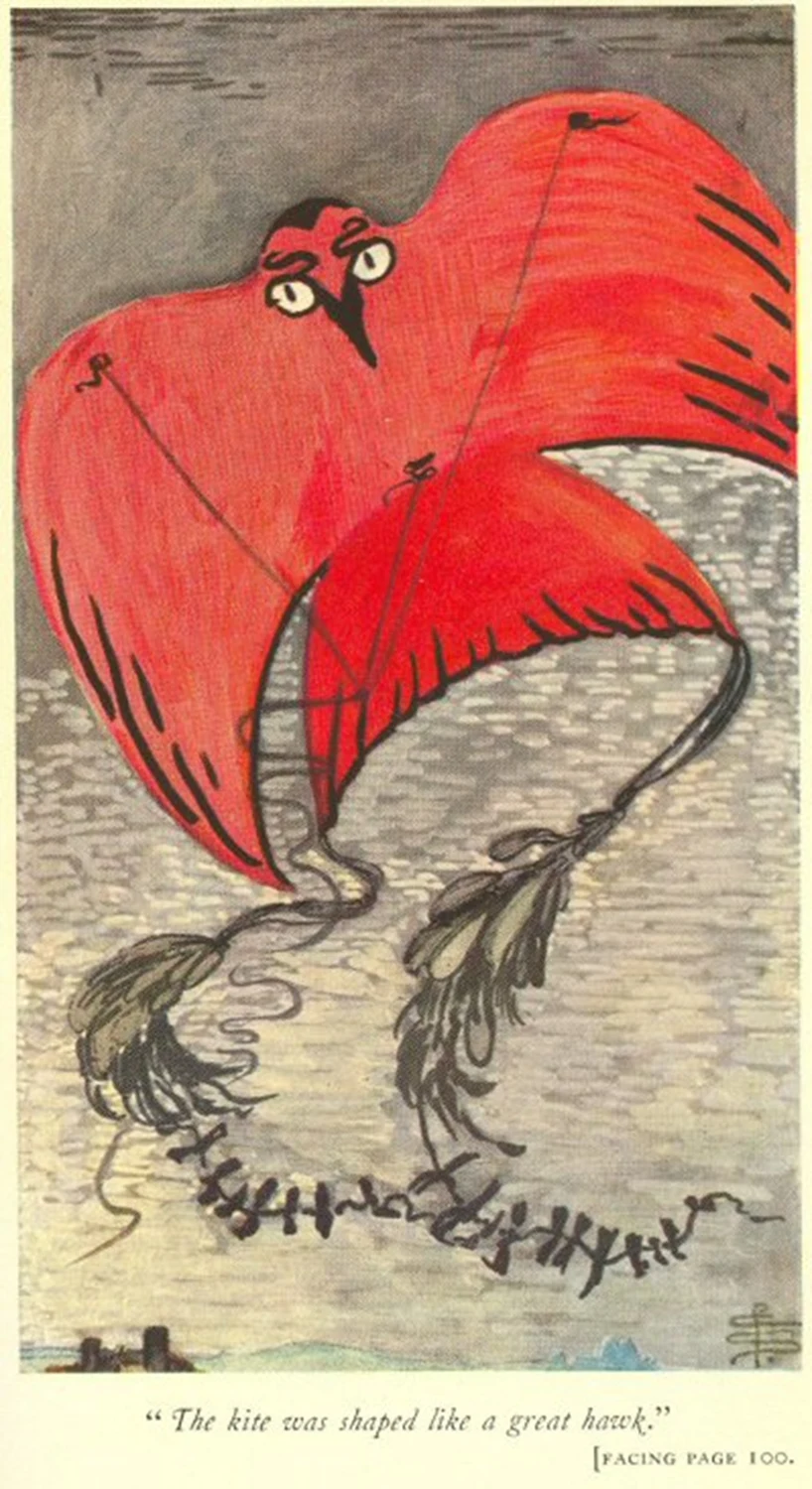
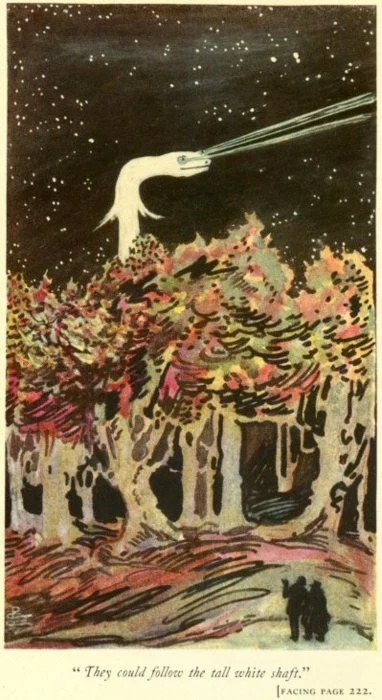
Smith also supplied six illustrations for the first edition of The Lair of the White Worm in 1911. Shown together below, they make her contribution to Bram’s last novel easier to follow. The pictures form a separate collaboration from the theatrical caricature and the tour drawings. See Bram’s other works for the book’s place in his writing.

Explore elsewhere: Her letters to Bram at Leeds

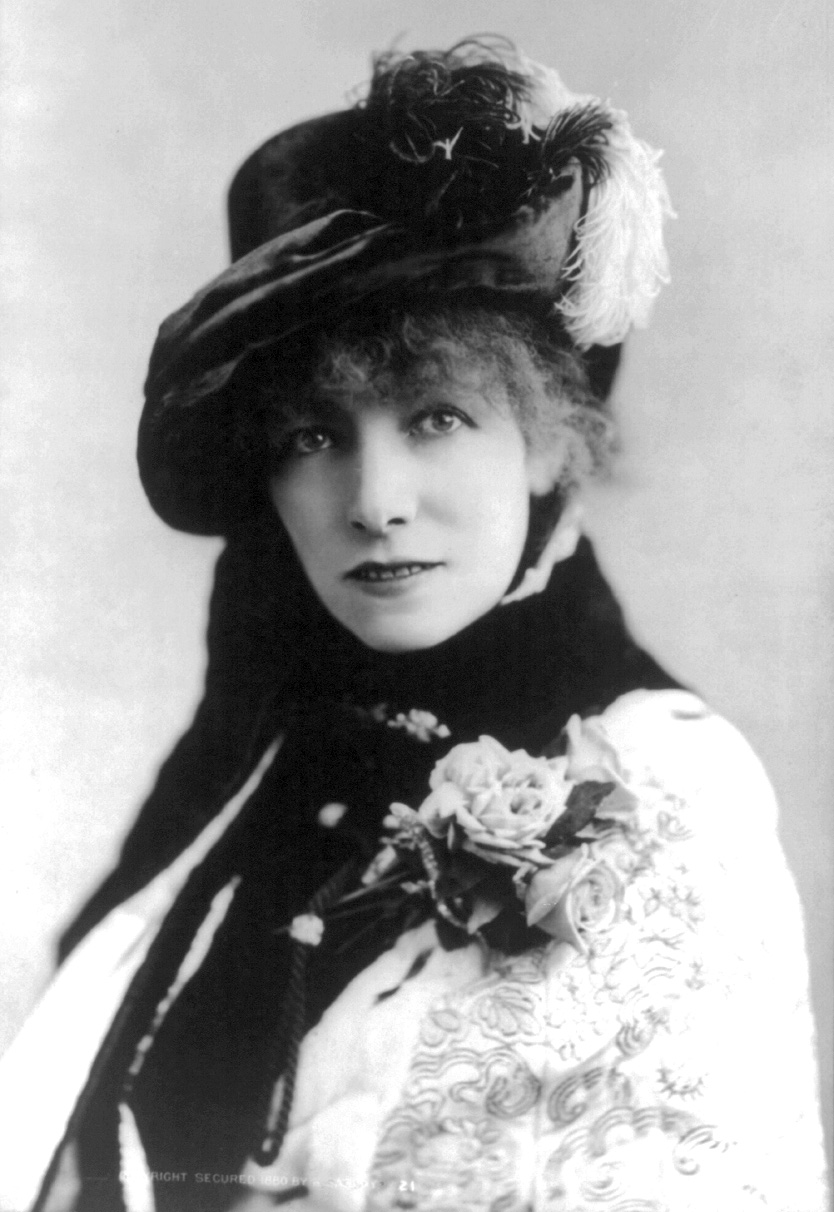
Sarah Bernhardt

1844–1923

Bernhardt was one of the international stars who entered the Lyceum’s social world. Bram devoted a chapter of Personal Reminiscences of Henry Irving to her, recalling meetings, suppers and her appreciation of Irving and Ellen Terry. These encounters brought French and British theatrical reputations into conversation around the same table.

Bram also records a particularly varied Beefsteak Room party that included Bernhardt, Terry, Edith Craig and the Russian writer Stepniak. Her place here rests on those named encounters, rather than simply on her celebrity.
Explore elsewhere: Theatre and the Lyceum

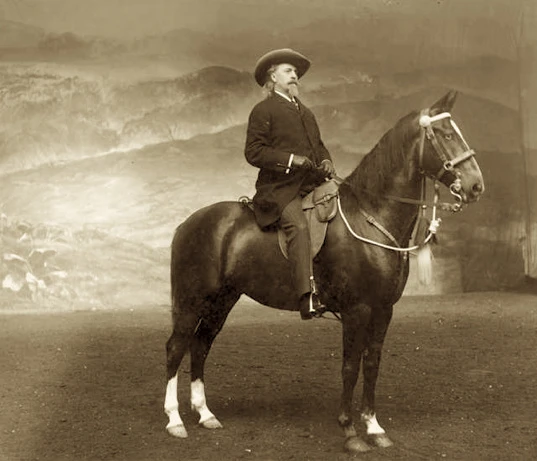
William F. “Buffalo Bill” Cody

1846–1917

The showman was entertained by Bram and Irving in London, bringing the American West’s popular theatrical spectacle into their circle. Cody is often suggested as a model for the Texan Quincey Morris in Dracula. That is an interpretation of the character, distinct from the recorded social connection with Bram and Irving.
Explore elsewhere: The American connections behind Dracula

William Terriss

1847–1897

A popular leading man at the Lyceum and later the Adelphi, Terriss was especially associated with energetic, heroic parts. When Irving was ill, Bram asked Terriss whether he could take on King Lear. Terriss had not studied the part and replied, “It will be a lesson to me in the future.” His murder at the Adelphi stage door in December 1897 shocked his fellow actors. Bram’s memoir recalls the actors at Bow Street hissing the murderer, and Bram was interviewed about him in 1899; that account places the loss within a profession whose working relationships and loyalties he knew closely.
Explore elsewhere: Bram’s theatrical work

Remembered together at the Lyceum

The names Terry, Stoker and Irving appear on three white panels on the theatre’s Burleigh Street side, commemorating the leading actress, business manager and actor-manager.

Writers, journalists and publishers

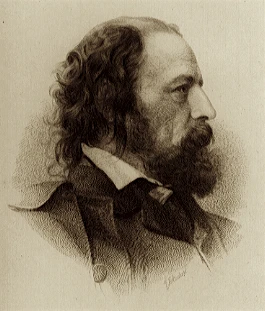
Alfred, Lord Tennyson

1809–1892

Irving staged Tennyson’s The Cup and Becket, bringing the Poet Laureate’s work into Bram’s daily theatrical life. Bram records meeting him at the Lyceum on 20 March 1879, after a performance of Hamlet. Bram later visited him at Farringford on the Isle of Wight, in April 1892, to discuss Becket; he and Florence also lunched with the Tennysons in London. Bram’s memoir follows the conversations and practical adjustments through which poems became performances.

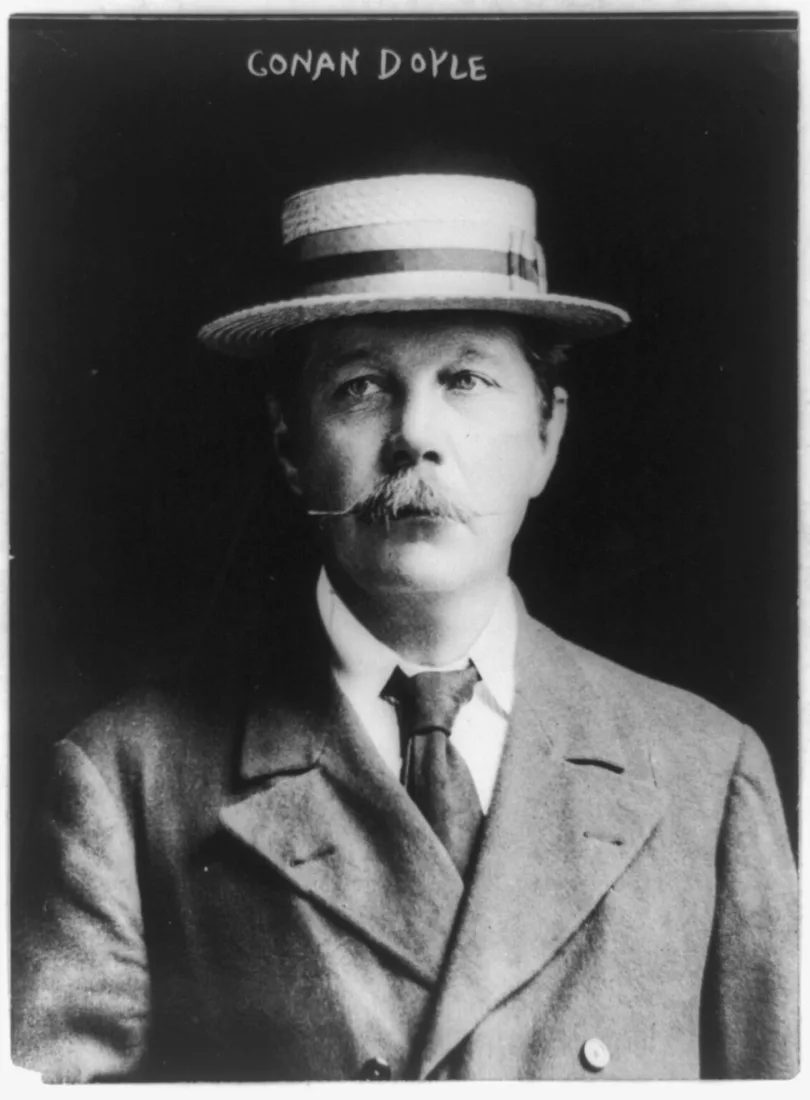
Arthur Conan Doyle

1859–1930

Conan Doyle, the creator of Sherlock Holmes, responded warmly to Dracula, and Bram later interviewed him. The two documents offer different perspectives: a reader reacting to a new story, and an interviewer asking a fellow author about his work.

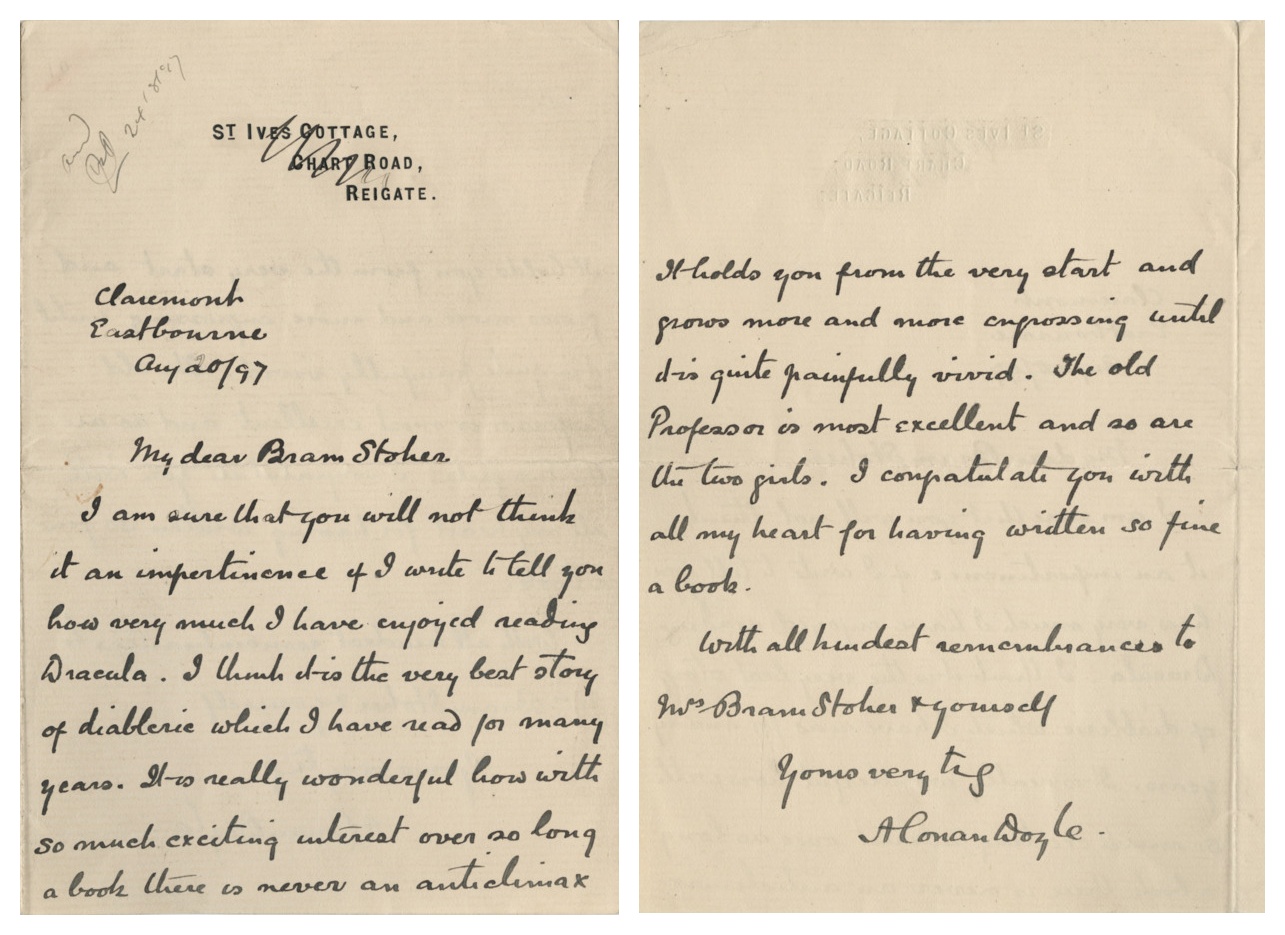
The letter arrived only a few months after Dracula appeared. Conan Doyle praised its sustained suspense and singled out the Professor and the two young women. It is a response to the novel’s storytelling, written privately to a fellow author rather than as a public review. His closing remembrances to Florence also place the literary compliment within a personal acquaintance.

Arthur Conan Doyle to Bram Stoker, 20 August 1897

A two-page letter praising Dracula, headed Claremont, Eastbourne.

My dear Bram Stoker

I am sure that you will not think it an impertinence if I write to tell you how very much I have enjoyed reading Dracula. I think it is the very best story of diablerie which I have read for many years. It is really wonderful how with so much exciting interest over so long a book there is never an anticlimax. It holds you from the very start and grows more and more engrossing until it is quite painfully vivid. The old Professor is most excellent and so are the two girls. I congratulate you with all my heart for having written so fine a book.

With all kindest remembrances to Mrs Bram Stoker and yourself

Yours very truly
A. Conan Doyle

View and download the complete handwritten letter
Complete two-page letter from Arthur Conan Doyle to Bram Stoker, 20 August 1897, praising Dracula; both pages shown together
Arthur Conan Doyle’s letter to Bram, 20 August 1897. Arthur Conan Doyle EncyclopediaDownload the complete letter (PDF)

In the later interview Bram is the questioner and Conan Doyle the writer explaining his working life. Read their conversation, with the reading text and downloadable scans of The World (1907) and The Daily Chronicle (1908).

Sir Arthur Wing Pinero

1855–1934

Before becoming a leading dramatist, Pinero acted in Irving’s company. Bram remembered his loyalty to Irving and his understanding of the actor’s methods; Bram later interviewed him as a successful playwright. The connection therefore crosses two stages of Pinero’s career, from work within the company to the writing of plays. Read the Pinero interview.

Francis Cowley Burnand

1836–1917

The playwright and humorist edited Punch from 1880 to 1906. His writing crossed journalism and theatre, making him a natural participant in the dinners and conversations around Irving. Bram explicitly recalled knowing both Burnand and the journalist Edmund Yates well.

Burnand and Bram attended the Garrick dinner for Henry Morton Stanley on 22 October 1882. The connection also gives context to the family’s 1886 Punch cartoon of Florence, Bram and Noel: Burnand was the magazine’s editor, while George du Maurier appears to have supplied the drawing. Burnand also wrote to Bram.
Explore elsewhere: Bram’s memoir

George Bernard Shaw

1856–1950

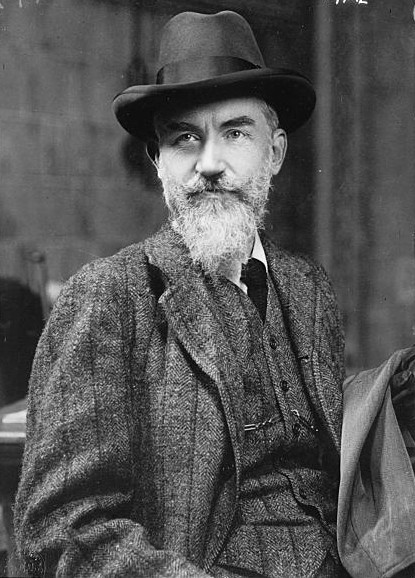
A fellow Dubliner, playwright and drama critic, Shaw wrote sharply about Irving’s Lyceum. In his 1895 review of King Arthur, he praised the visual splendour and a passage of Irving’s acting, but attacked the verse and the limited opportunities given to Ellen Terry. Reviewing Cymbeline in 1896, he condemned Irving’s cuts to Shakespeare while admiring his performance as Iachimo. These disagreements place Bram’s working world within the arguments over what modern theatre should become.

George du Maurier

1834–1896

The Punch cartoonist and author of Trilby was probably the artist of the 1886 cartoon of Florence, Bram and Noel discussed under Burnand. His connection brings together the family’s life, popular illustration and fiction. The cartoon is a more personal trace than a list of famous acquaintances: it records the Stokers as subjects in the illustrated world of the period.

Hall Caine

1853–1931

“To my dear friend Hommy-Beg” is the dedication of Dracula. The name belongs to the novelist Hall Caine, whose Manx nickname means “Little Tommy”. The affectionate dedication invites us to look beyond the vampire story to a friendship between two working writers.

There is a particularly tangible record of Caine helping Bram: Bram’s application for membership of the London Library in 1890 bears Caine’s signature in the “Introduced by” space. The form places their friendship in the practical world of books and research.

They also met around Irving’s supper table. On 27 January 1890, in Irving’s office at the Lyceum, Caine told him the story of a play about Mahomet, a subject Irving had considered at Burton’s urging. In November 1892 Caine brought his young son Ralph to the Beefsteak Room and described a novel he was planning. In February 1895 he told Irving the scenario of The Demon Lover. Bram’s account shows how reading, conversation and theatrical possibilities overlapped in the friendships formed around the Lyceum.

Bram’s admiration was literary as well as personal. In “The Ethics of Hall Caine”, published in The Homiletic Review in August 1909, he discusses Caine’s novels as books intended to do good. He considers their treatment of suffering, temptation, faith and duty, and describes fiction as a way of putting moral questions before a wide public. This is Bram speaking as a critic about the purposes of storytelling.

Their exchanges continued beyond Dracula. Letters, Bram’s introductions and Caine’s recollections preserve different sides of the connection. When Bram died in 1912, Caine remembered him in The Daily Telegraph under the title “The Story of a Great Friendship”. Reading those accounts together gives the dedication a human setting: one writer recognising another across years of work.

James Whitcomb Riley

1849–1916

The American poet and performer was a friend whom Bram and Irving enjoyed seeing on both sides of the Atlantic. Bram remembered his storytelling during the company’s American tours and his recitations at supper. Riley’s spoken performances belong to the same world of literary entertainment as the Lyceum’s dinners.

At the Savoy dinner on 29 July 1891, Riley recited “Good-bye, Jim”. Bram described its powerful effect on the company. Riley also wrote to Bram and gave him a signed copy of Green Fields and Running Brooks, inscribed with three lines of verse.
Explore elsewhere: Bram’s memoir and source edition

Jane T. Stoddart

1863–1944

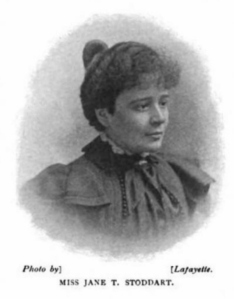
Writing as “Lorna”, the Scottish journalist Jane Thompson Stoddart interviewed Bram for The British Weekly on 1 July 1897, soon after Dracula appeared. Their conversation is a rare opportunity to hear Bram discussing the novel’s construction, research and intended effect in his own lifetime.

Read the review, interview and her letter to Bram of 25 June 1897, a few days before the interview was published.
Explore elsewhere: Bram on Dracula

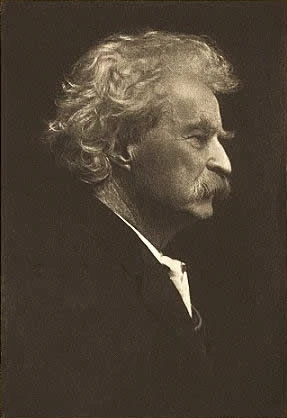
Mark Twain (Samuel Clemens)

1835–1910

Bram’s friendship with Twain grew from the American tours. Bram and Irving bought shares in Twain’s ill-fated Paige typesetting machine; in December 1894 Twain wrote to Bram about its failure and promised that Irving would be repaid. In June 1897 Bram inscribed a copy of Dracula to him, and Twain wrote on 4 June to thank him. The connection belongs to the transatlantic social world opened to Bram by the company’s long periods of travelling and performing.

Mary Elizabeth Braddon

1835–1915

The best-selling author of Lady Audley’s Secret was part of Bram’s theatrical world from the beginning. On 28 August 1867, the night Bram first saw Henry Irving at the Theatre Royal, Dublin, the touring company was playing her new stage version of that novel. She was later an occasional guest in the Beefsteak Room, and Bram visited the garden parties at her Richmond home. In her letters to Bram, she asks for seats at the Lyceum, shares family news and, in one, sends sympathy on the death of Irving’s dog Fussie.

Her own vampire story, “Good Lady Ducayne”, appeared in The Strand Magazine in 1896, the year before Dracula. In her letter of 23 June 1897, she describes reading Bram’s newly published novel. She thanks him for an inscribed copy, describes being unable to put it down, and sets her “humdrum little story of transfusion” beside his “bloofer lady”. She signed with her married name, Mary Maxwell.

Mary Elizabeth Braddon to Bram Stoker, 23 June 1897

Published transcription: Janine Hatter, “Writing the Vampire”, Supernatural Studies 2:2 (2015), pp. 32–33.

June 23rd 97

Dear Mr. Stoker

You remember Sydney Smith’s definition of a good novel! Well! I can honestly say that “Dracula” cut down my letter-half-hour to a rush + a scramble of 15 minutes – I took up your book, meaning to cut it – + read after dinner – having some heavy revises to get through between 5.30 - + 7 – I read and read till 7.15. Thank you greatly for the book, + yr. pretty inscription – We will talk of it more anon! When I have solemnly read + meditated thereupon. I have done my humdrum little story of transfusion – in Good Lady Ducayne – but your “bloofer Lady”, bangs Banaghen!

I am sending you “London Pride”. A “fun thing”, but the book I personally like best of my long line of nonsense stories.

Fondest regards to you + Mrs Bram

From yours most sincerely
Mary Maxwell

“That bangs Banagher” is an Irish saying meaning “that beats everything”. The “bloofer lady” is the children’s name for Lucy Westenra after her death in Dracula.

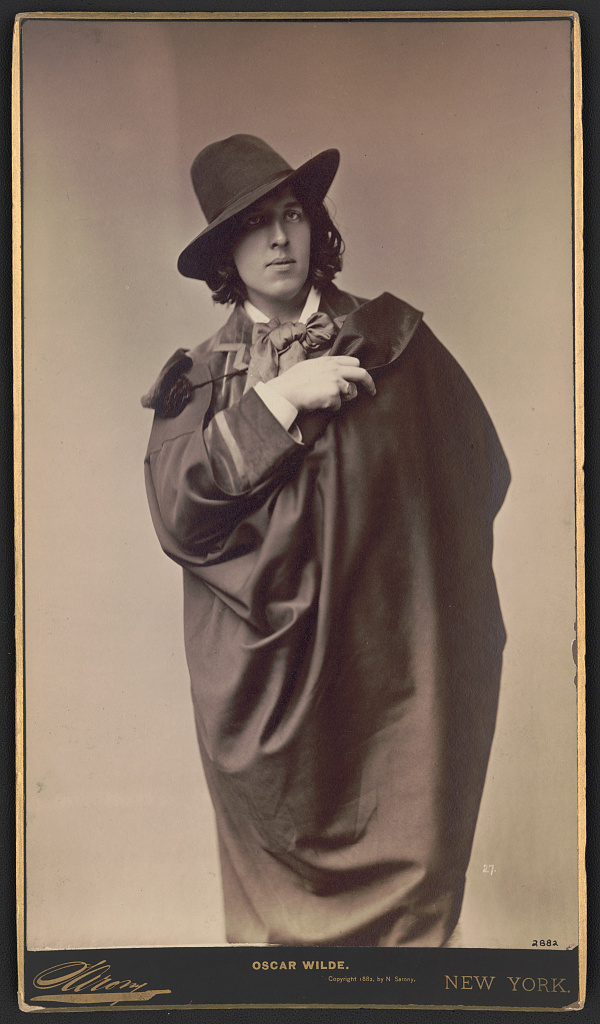
Oscar and Constance Wilde

Oscar, 1854–1900; Constance, 1858–1898

Oscar and Constance’s connection with the Stokers belonged to a wider family history. Sir William Wilde and Jane Wilde each have an entry under Dublin and family connections; Willie Wilde appears among the writers and journalists.

The Wildes and the Stokers belonged to an overlapping world of Irish families, writers and theatre people. Florence’s decision to marry Bram in 1878 hurt Oscar deeply, as the account on our Florence page explains. But the surviving correspondence shows that contact continued long after that disappointment. It is more revealing to follow those letters than to leave the relationship as the story of two rival suitors.

The surviving material is especially useful when read as a sequence: requests for theatre seats, an invitation to supper, a book sent to Florence, and the much more difficult evidence surrounding Oscar’s downfall. Each document records a particular occasion. Together they give a fuller account of the families’ continuing contact, while leaving questions that the surviving evidence cannot settle.

Constance was a writer as well as Oscar’s wife. Their home in Tite Street stood close to the Stokers’ Chelsea home, and she wrote to Bram. That direct correspondence gives her a place in this connection alongside the better-known exchanges with Oscar. It also helps keep the story from becoming only an account of Oscar’s earlier courtship of Florence.

An undated note, placed around 1879–1880 from its Salisbury Street address, asks Bram for a seat at the Lyceum. A later letter, catalogued as 19 May 1887, asks for two stalls after an invitation from Irving. These are practical requests to the man who could help arrange a theatre visit. Another letter, preserved by the Shakespeare Birthplace Trust, concerns supper while Constance was away in Brighton. That invitation takes us beyond the theatre office into social life.

Oscar and Constance moved into 16 Tite Street, now numbered 34, in January 1885. The address appears on the supper letter to Bram. Bram and Florence were living nearby at 17 St Leonard’s Terrace by 1891; their son Noel recalled that they moved there around 1884. Wilde’s surviving acceptance of a supper invitation directly documents their social connection.

Florence also remained a reader to whom Oscar sent his work. In February 1893 he offered her a copy of the French Salomé, explaining his experiment in writing in another language and sending kind regards to Bram. The letter is a small but direct indication that Florence’s marriage had not ended their literary connection.

The evidence of their relationship becomes less clear after Oscar’s arrest on 5 April 1895 and his conviction on 25 May under section 11 of the Criminal Law Amendment Act 1885, which criminalised “gross indecency” between men. He was sentenced to two years’ hard labour. Willie’s appeal to Bram is discussed in his own entry.

No contemporary record that we have found establishes that Bram visited Oscar in prison, sent him money or helped him after his release. Family members recall Ann Stoker (Bram’s grand daughter) saying that Oscar’s name was never mentioned at Florence’s social gatherings in her later years: he remained a taboo subject. Paul Murray also records Ann’s recollection in From the Shadow of Dracula, p. 123. Some online summaries have stated that Bram visited Oscar on the Continent after his release. The newspaper article usually cited for this (The Irish Times, 28 March 2009) does not say so. No contemporary evidence for such a visit has been found.

The chronology gives the connection with Dracula particular force. Bram began work on the novel in 1890, five years before the trials, and was still working on it during Oscar’s imprisonment. Oscar was released on 19 May 1897; Dracula appeared that May, conventionally dated 26 May. The book therefore belongs to the same troubled decade: although it was not begun in response to Oscar’s downfall, the trials and imprisonment may have influenced its final form.

After his release Oscar left England for France. He died in Paris on 30 November 1900, at the Hôtel d’Alsace.

Oscar is not named in the revised 1907 edition of Bram’s memoir, Personal Reminiscences of Henry Irving (first published in 1906), despite its many famous acquaintances. In September 1908 Bram published “The Censorship of Fiction” in The Nineteenth Century and After, arguing that “the only emotions which in the long run harm are those arising from sex impulses”. Critics such as Talia Schaffer, in “‘A Wilde Desire Took Me’” (1994), have read the silence and Bram’s public moralism in relation to Oscar’s downfall. Another possible reading is discretion, or the conventional public moralism of a theatre manager accustomed to the official censor of plays. Neither interpretation establishes what Bram privately felt.

Later scholars have explored the novel alongside the trials and the period’s debates about sexuality, secrecy and corruption. Heike Bauer’s essay “Dracula and Sexology” (2017) sets competing interpretations beside a wider history of sexual science. Such readings can illuminate the novel without becoming evidence of Bram’s private intentions. The letters document a relationship; they do not supply a simple key to the vampire.

Explore elsewhere: Comparing Dracula and The Picture of Dorian Gray

W. E. Henley

1849–1903

The poet, editor and critic was Robert Louis Stevenson’s friend and his collaborator on several plays in the 1880s. Henley wrote to Irving in May 1884. Bram wrote to Henley on 25 June, and Henley replied two days later. He links Bram to the Stevenson circle more directly than the novels do.

Sir W.S. Gilbert

1836–1911

The dramatist and lyricist shared the Garrick and Beefsteak circles with Bram, and was also known to Florence. Bram’s interview with him was published in 1907–08. The encounter links the sociability of clubs and dinners with Bram’s later newspaper work, in which a theatre manager’s acquaintance with public figures became material for readers. Read about the interview and its contemporary report.

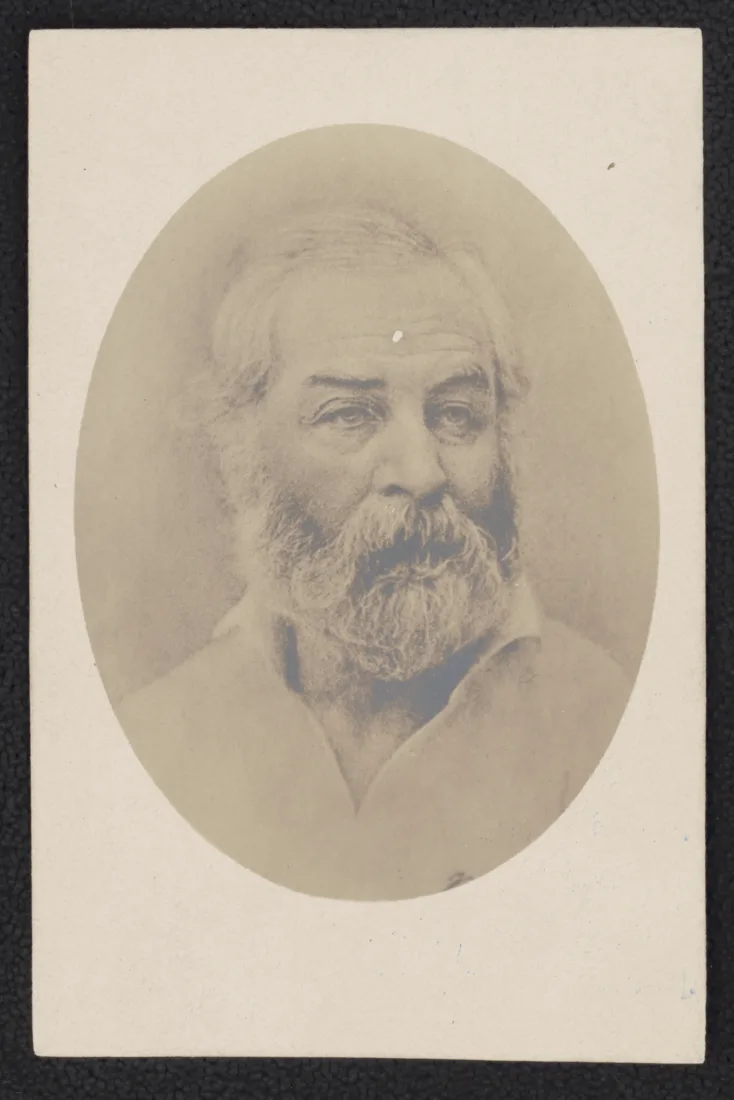
Walt Whitman: from a Dublin letter to an American friendship

1819–1892

Years before Dracula, Bram found in Walt Whitman’s poetry a voice that spoke directly to him. His long letter of 18 February 1872 is an unusually revealing self-portrait: a young Dublin civil servant and athlete, outwardly strong and self-controlled, expressing his longing for understanding and friendship. He hoped one day to meet the American poet and call him “Comrade”.

For four years, the letter remained in his desk. On 14 February 1876, after defending Whitman in a debate at Dublin’s Fortnightly Club, Bram finally sent it with a covering letter. He explained that Whitman’s writing had brought him consolation and influenced his thoughts and life.

Whitman answered warmly on 6 March. He welcomed Bram’s affection and unconventional directness, offered his friendship, and ended with an invitation: “Write to me again.” Bram’s admiration had become a correspondence.

They first met on 20 March 1884, at Thomas Donaldson’s home in Philadelphia, with Henry Irving present. Bram later visited Whitman in Camden in November 1886 and December 1887. Their conversations ranged across literature, theatre and their shared admiration for Abraham Lincoln. The relationship also allowed disagreement: during the final visit, Bram suggested removing passages from Whitman’s poetry to widen its readership. Whitman refused, and Bram accepted his decision. They parted with gifts of a signed book and an inscribed portrait.

There was a final encounter with Whitman’s generosity after his death. In February 1894, Donaldson handed Bram papers relating to Whitman’s Lincoln lecture that had been kept for him. Bram called this his “Message from the Dead” — a memorable ending to a friendship that had begun with a letter he scarcely dared to send.

The letters and the later meetings show two stages of the friendship. In 1872 Bram was writing to a man he knew through poetry; by the 1880s they could argue about books face to face. Whitman’s refusal to alter his work is a useful reminder that admiration did not mean agreement. Bram’s memoir records affection alongside the independence of the poet he admired.

Explore elsewhere: Read all three letters together · The American tours

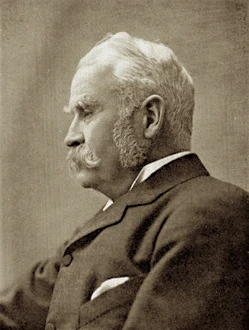
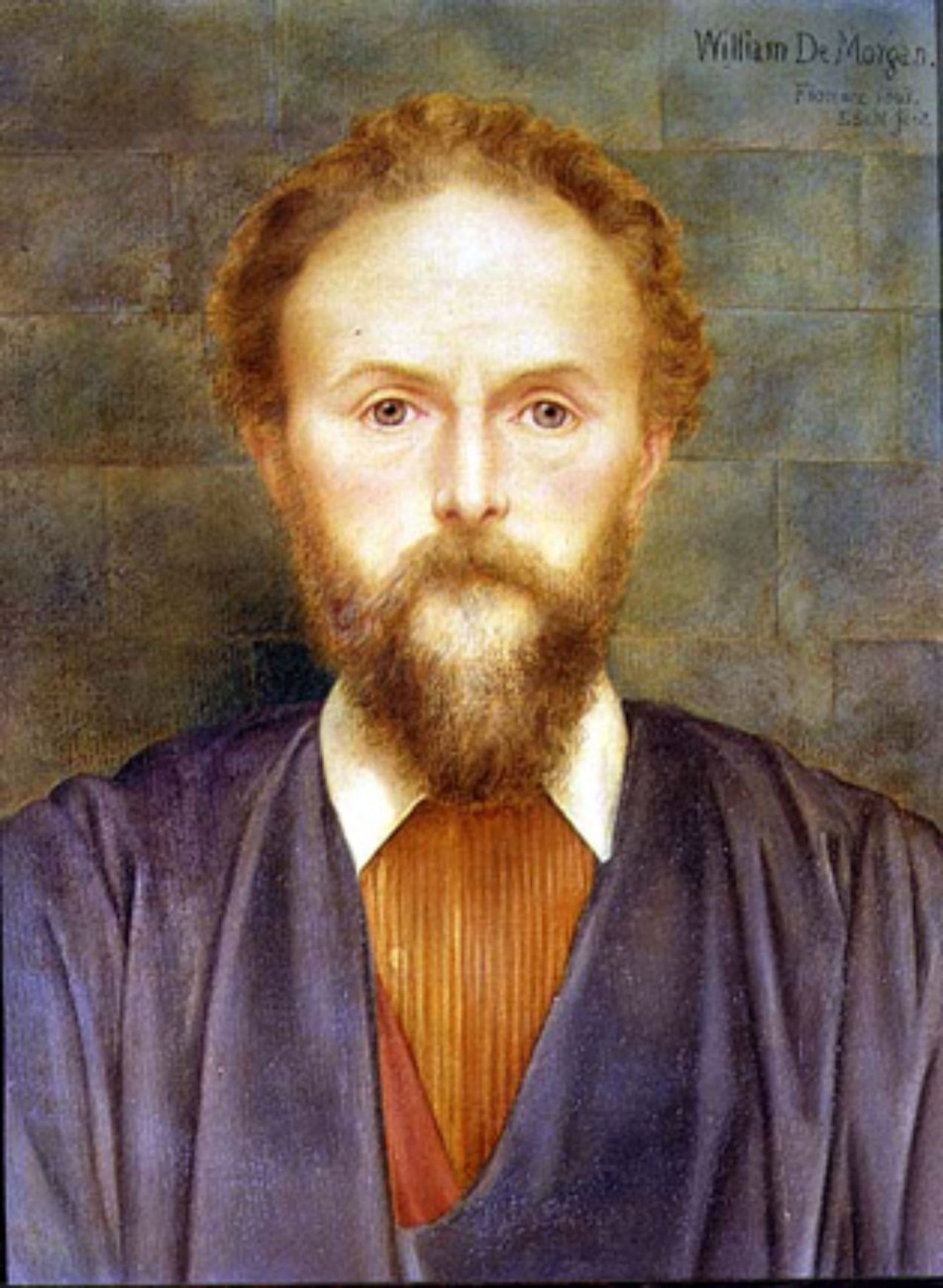
William De Morgan

1839–1917

De Morgan moved from the ceramics of the Arts and Crafts movement to successful novel-writing in his late sixties. Bram interviewed him in 1908, bringing the curiosity of one working author to another’s late literary career. Their conversation brings together the artistic and literary worlds on this page. Read Bram’s interview.

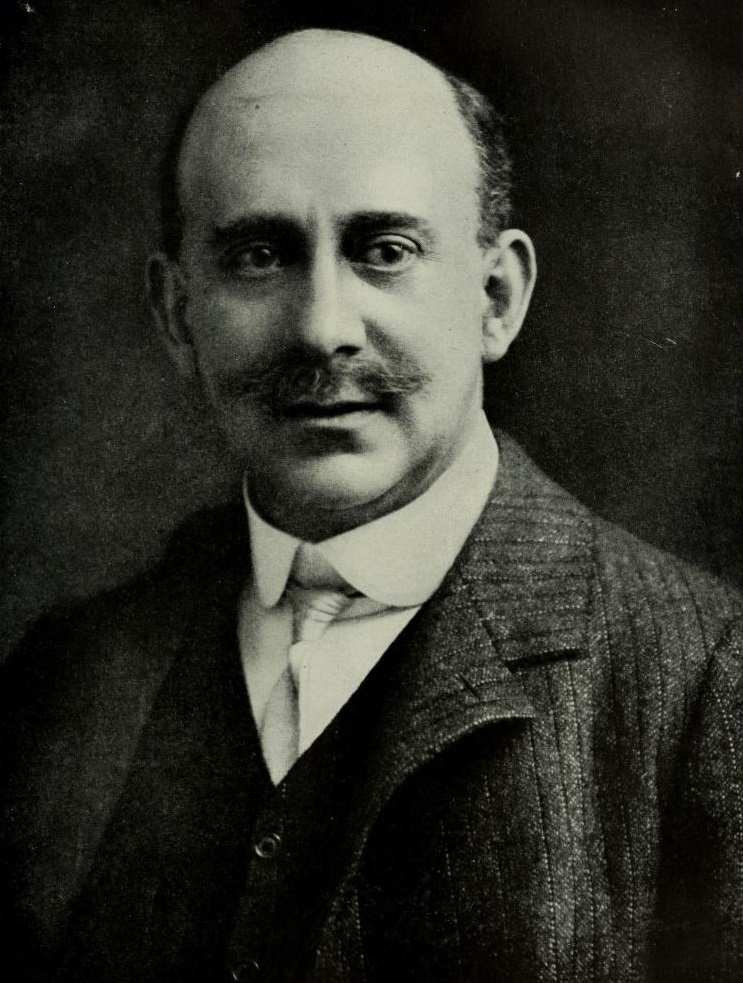
William Heinemann

1863–1920

Heinemann’s publishing house issued several of Bram’s later books, including The Mystery of the Sea and Lady Athlyne. This relationship belongs to Bram’s life as a working author, alongside his better-known connection with Archibald Constable and Company, the first publisher of Dracula.

Heinemann published The Mystery of the Sea in 1902. Bram’s publishing agreement for Lady Athlyne documents another part of their professional relationship.
Explore elsewhere: Explore The Mystery of the Sea · Bram’s wider bibliography

Willie Wilde

1852–1899

Oscar’s older brother was a journalist, and his marriage to the American publisher Frank Leslie linked the families’ literary and publishing worlds. On 16 July 1895, seven weeks after Oscar’s conviction, Willie wrote to Bram from 146 Oakley Street, Chelsea. He announces the birth of his daughter, speaks affectionately of Oscar while criticising his conduct, and asks for Bram’s private address so that they can talk. We have no record of whether a conversation ever happened.

Willie Wilde to Bram Stoker, 16 July 1895

146 Oakley St.
Chelsea.

July 16th /95

My dear Bram —

I send you a “Gentlewoman” with a reference to my old & valued friend Sir Thornley, & incidentally to you! Will you send it to Lady Stoker with my kindest regards.

I dare say you know my Irish wife has just presented me with a lovely Irish daughter, & I am sure you & Florence will be glad to know that mother & baby are doing right well.

She has come as it were a little angel, whose eyes can “look upon the face of the King”, to lighten the terrible darkness that recently fell on us.

Bram, old friend, poor Oscar was not as bad as people thought him. He was led astray by his Vanity & conceit, & he was so “got at” that he was weak enough to be guilty of indiscretions & follies — that is all. He is taking his punishment (in the words of the Governor to me) “with manly fortitude”, & from my heart I believe this thing will help to purify his body & soul.
Am sure you & Florence must have felt the disgrace of one who cared for you both sincerely. My mother is well & sends you both her good wishes, as ever does

yours ever sincerely
William C. K. Wilde.

Send that paper to Lady Stoker (not “Stokes” as blundered in the D.T. [Daily Telegraph]) & send me, if you will, your private address. I’d like to talk to you. W.W.

Reading transcription from the digitised manuscript (University of Leeds, BC MS 19c Stoker/01/1224) by the Bram Stoker Estate. Editorial identifications and expansions appear in square brackets.

Artists and musicians

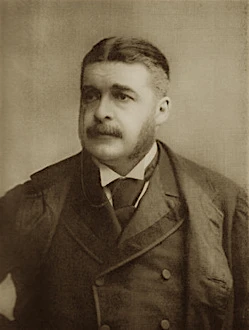
Sir Arthur Sullivan

1842–1900

Best known for the Gilbert and Sullivan operas, Sullivan also composed incidental music for the Lyceum’s Macbeth and King Arthur. Bram describes the collaboration on Macbeth as a lesson in working together: music was adjusted during rehearsal to serve the production as a whole. It offers a practical example of the different arts meeting on Irving’s stage.
Explore elsewhere: The Macbeth music-rights correspondence

Frank Miles

1852–1891

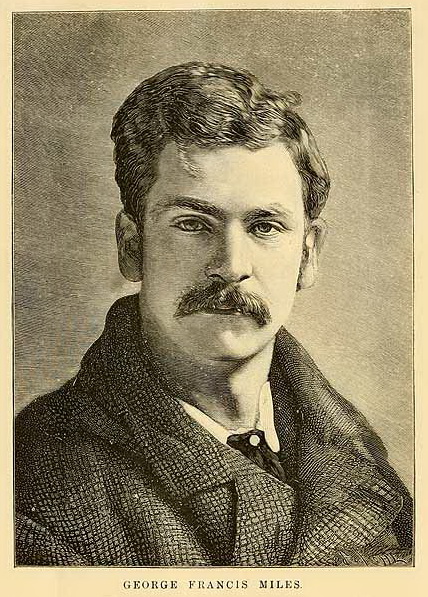
George Francis “Frank” Miles was a portrait artist associated with Oscar Wilde’s London circle. His drawings of society women made his name familiar in the illustrated culture of the 1870s and 1880s. In 1879 Miles and Wilde shared rooms at 13 Salisbury Street, off the Strand, before moving to a new house in Tite Street. Salisbury Street is the address on Oscar’s early note asking Bram for a Lyceum seat. The connection with the Stokers is especially tangible in the pencil sketch of Florence.

The Estate dates that drawing to circa 1876. It provides a reason to look at Florence’s artistic world alongside Bram’s theatrical and literary acquaintances. The portrait is evidence of a connection through Florence; it should not by itself be treated as proof of a close friendship between Miles and Bram.

Franz Liszt

1811–1886

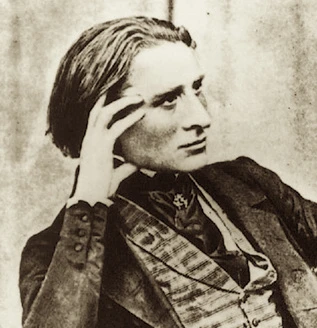
On 14 April 1886 Liszt attended Faust at the Lyceum and stayed for supper in the Beefsteak Room, where Ellen Terry was among the guests. Bram’s recollection follows the celebrated musician from the theatre into its social circle. Liszt was staying with Alfred Littleton at Sydenham. Bram’s diary noted his “fine face — leonine”, and the evident sympathy between him and Irving, though they had few words in common. Read his account of the visit.

James McNeill Whistler

1834–1903

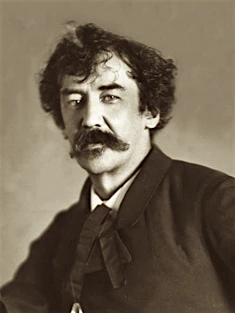
The American-born painter belonged to the Chelsea artistic world in which Bram and Florence lived. His connection broadens the circle beyond the actors and writers most often associated with the Lyceum. Bram also appears in Whistler’s correspondence, part of this wider network of artists, neighbours and theatrical acquaintances.

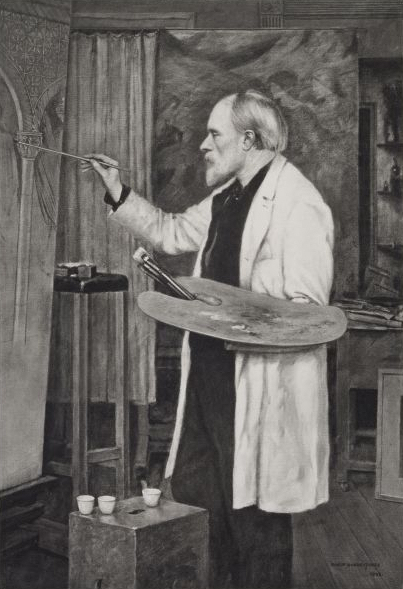
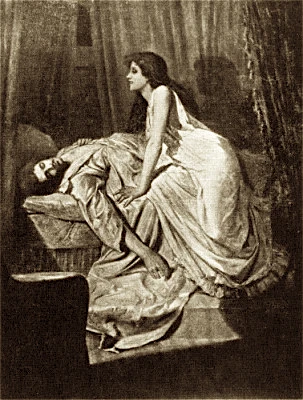
Sir Philip Burne-Jones

1861–1926

Philip’s The Vampire was exhibited in 1897, the year Dracula appeared. The coincidence invites comparison between two images of the vampire at the end of the century, but does not by itself establish that one work inspired the other. Philip’s cousin Rudyard Kipling wrote the poem “The Vampire” to accompany the painting in the New Gallery catalogue of April 1897, a month before Bram’s novel appeared. Its opening words, “A fool there was”, later gave their title to the 1915 film A Fool There Was. Philip was Edward Burne-Jones’s son; the Florence Stoker drawing discussed in his father’s entry is a different work.

Walter Osborne

1859–1903

Osborne’s friendship with Bram and Thornley produced a substantial group of Stoker family portraits. Strickland’s Dictionary of Irish Artists (1913) lists Mrs Bram Stoker, a posthumous Abraham Stoker, Mrs Abraham Stoker, Sir W. Thornley Stoker and Lady Stoker. It dates Florence’s painting to 1894 and records its Royal Academy exhibition in 1895. The family identifies the other women as Charlotte and Emily. Osborne also painted Edward Dowden. The early list records historical ownership, not the paintings’ present whereabouts.
Explore elsewhere: Florence’s portrait · Thornley Stoker · The Thornley portrait catalogue record

Explorers and travellers

Richard and Isabel Burton

Richard, 1821–1890; Isabel, 1831–1896

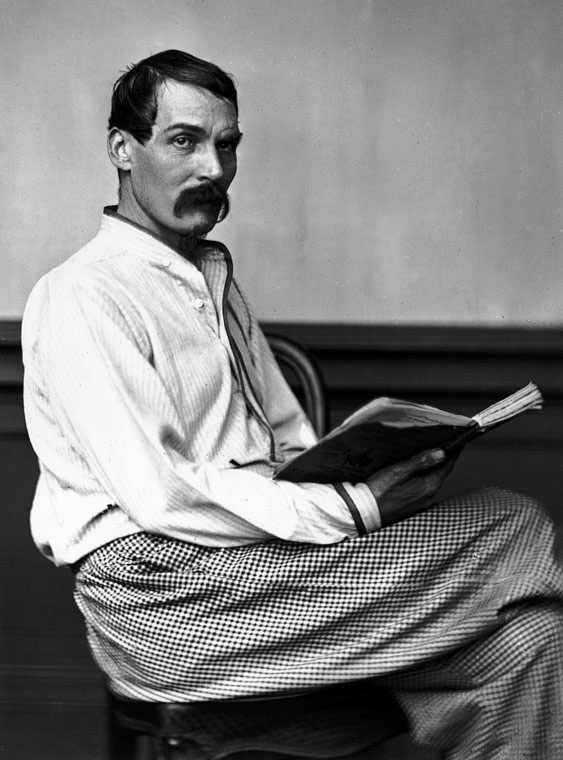
Bram met the explorer and translator in 1878 and later recalled his forceful appearance and conversation. Bram noticed that when Burton laughed his upper lip rose, showing the right canine tooth. Later, when Bram asked him about killing a youth who had seen through his disguise on the journey to Mecca, Burton answered that the desert has its own laws: “As he spoke the upper lip rose and his canine tooth showed its full length like the gleam of a dagger.” Readers have often compared the description with the Count’s teeth; Bram himself made no such link. Isabel Burton also figures in the account: when Bram asked for a photograph of Richard, she arranged one and reported her husband’s willingness to give it to him. This joint entry places that personal exchange alongside Richard’s public reputation as a traveller and translator of The Arabian Nights.
Explore elsewhere: Cheyne Walk on the biographical map

Ármin Vámbéry

1832–1913

The traveller and scholar came to the Lyceum on 30 April 1890 to see The Dead Heart, and remained for supper. Bram remembered his stories of Central Asia and his remarkable knowledge of languages. A connection with Van Helsing’s “friend Arminius” is often proposed, but the documented supper and the debated literary identification should be kept distinct.
Explore elsewhere: What inspired Dracula: evidence and interpretation

Public figures

Albert Edward, Prince of Wales

1841–1910

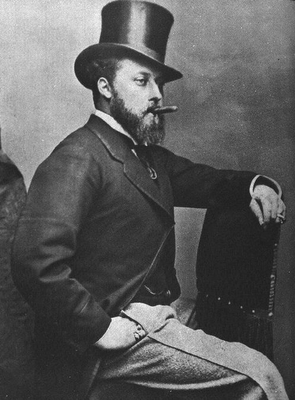
The future Edward VII appears here chiefly as Prince of Wales, the title he held throughout most of Bram’s Lyceum years. He and Princess Alexandra made Marlborough House their London home, at the centre of a social circle that embraced actors, artists and musicians.

The Prince dined at the Lyceum, where the Beefsteak Room was a focus of Irving’s hospitality. On 7 May 1883 a royal party of fifty was too large for the room’s thirty-six places, so the supper moved onto the stage. Bram described the flowers, chandeliers and crimson curtains, and remembered the Prince’s admiration of the table.
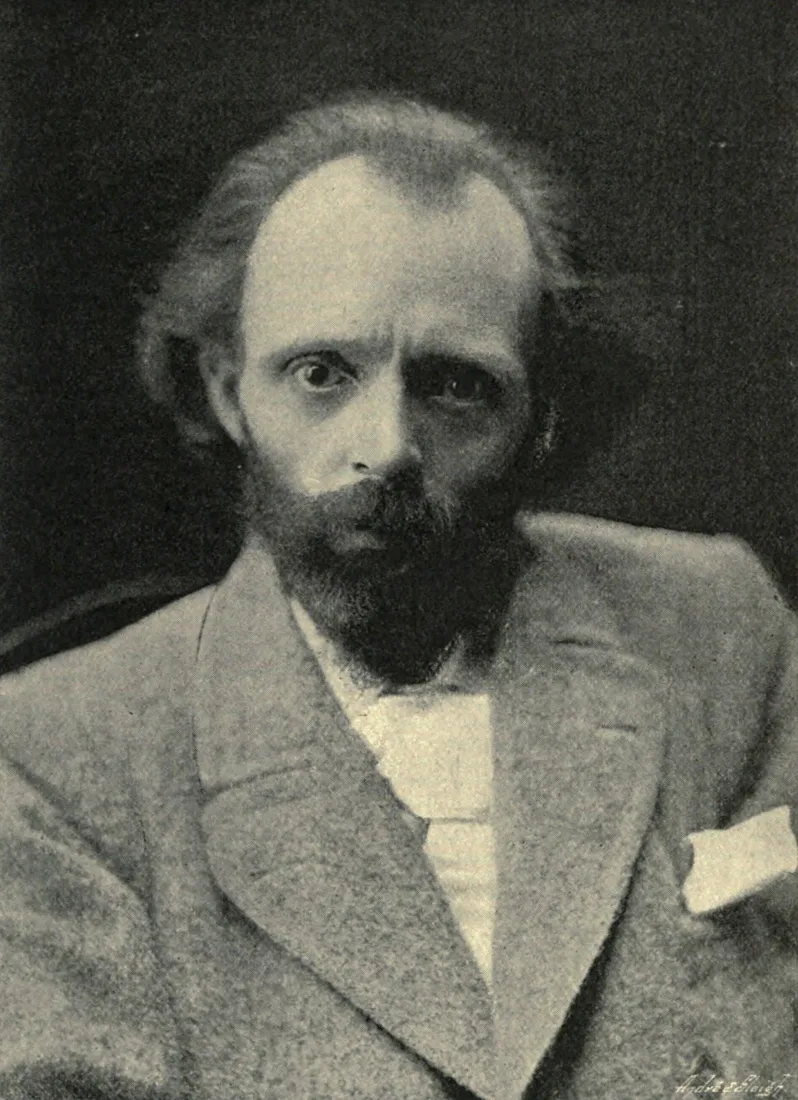
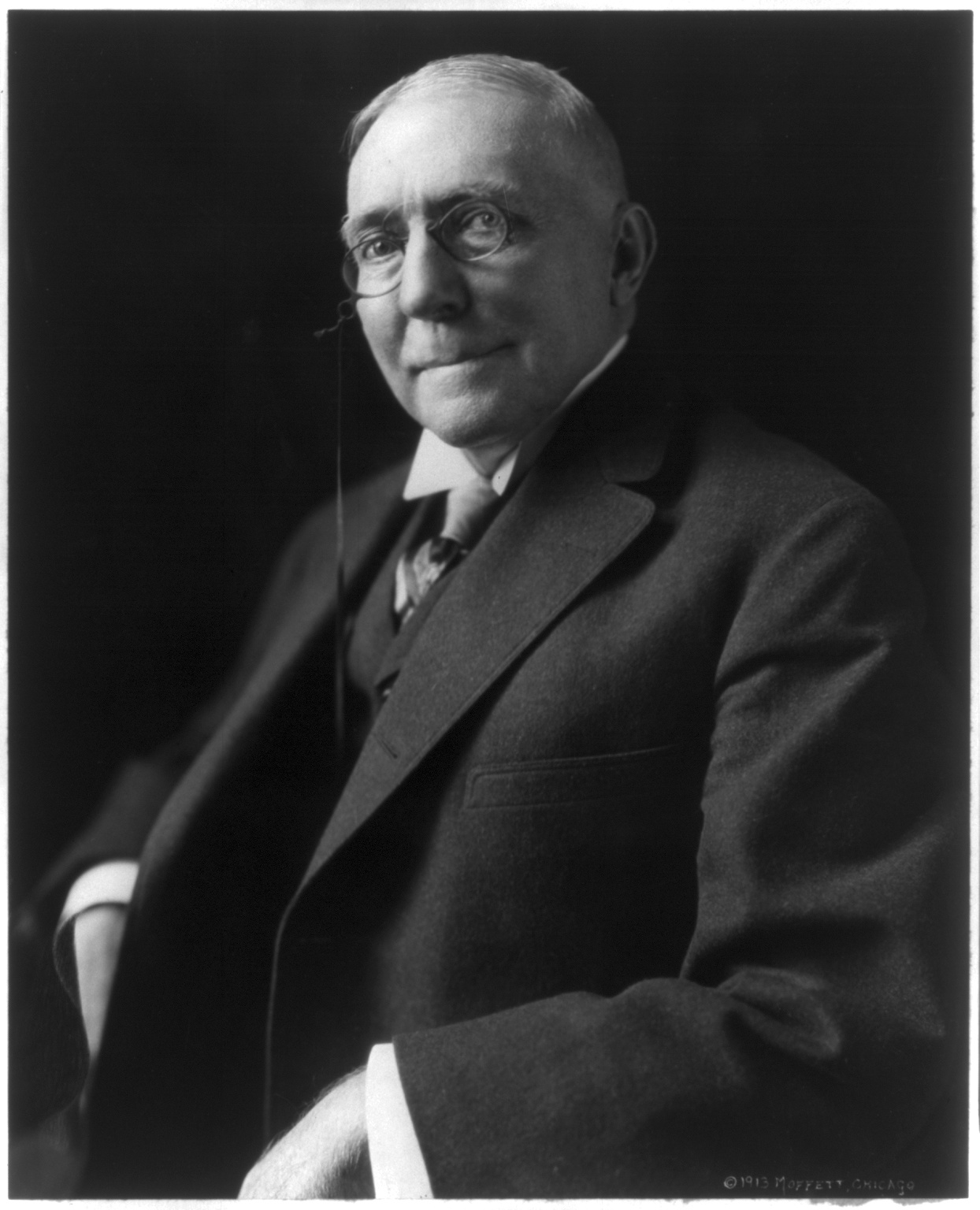

The family also recalls the Prince giving Bram a gold pen and pencil set.
Explore elsewhere: The Lyceum

Angela, Baroness Burdett-Coutts

1814–1906

The philanthropist was a close friend within the Lyceum circle. The day after Liszt’s theatre visit in April 1886, Bram and Florence joined Irving for lunch with him at her house in Stratton Street. She had thoughtfully removed the pianos so her guest would not feel obliged to perform; Liszt nevertheless asked for one to be brought in. Bram remembered the resulting music as an extraordinary private experience.
Explore elsewhere: Liszt and the Lyceum circle

Theodore Roosevelt

1858–1919

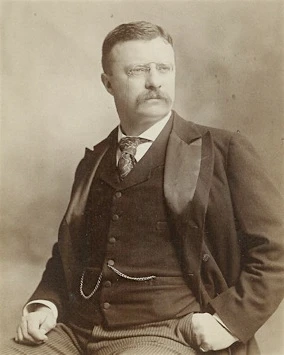
Bram met Roosevelt in New York in November 1895, when Roosevelt was president of the city’s Board of Police Commissioners. Roosevelt invited him to watch disciplinary hearings involving the police, and Bram recorded his interest in the proceedings and their orderly conduct. It was an encounter beyond the theatre: a touring manager observing the working methods of a future president.
Explore elsewhere: Bram’s account of his American audience

William Gladstone

1809–1898

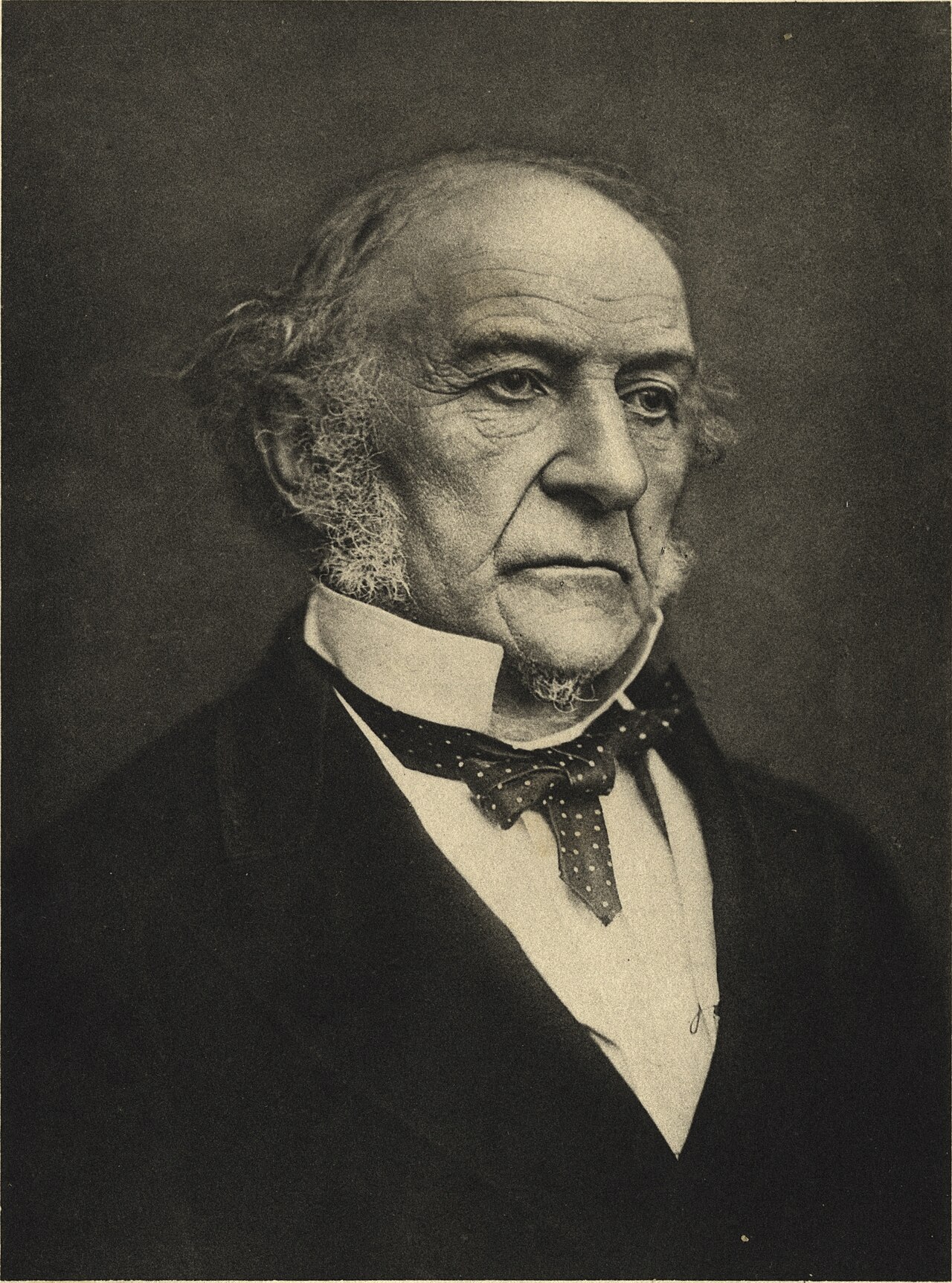
The Prime Minister was interested in the Lyceum’s workings as well as its performances. Bram describes his questions about the theatre’s finances and the pay of its company. The exchange brings the backstage business of the theatre into view: the famous visitor wanted to understand the organisation and economics behind what he had seen on stage. Gladstone was also one of Bram’s readers: a postcard of 18 November 1890 thanked him for his Irish novel The Snake’s Pass, and at the Lyceum he praised “That scene at Mrs. Kelligan’s”.

Winston Churchill

1874–1965

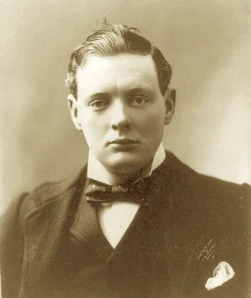
Winston Churchill said that he disliked being interviewed, but that he made an exception for Bram, because he was a friend of Churchill’s parents, Lord and Lady Randolph Churchill, and the author of Dracula. Their conversation begins with Churchill’s explanation of why he had agreed to the interview.

Churchill was 32 when the interview appeared in October 1907. Their conversation ranged over his work, political ambitions, writing and social reform.

Read the interview and see the newspaper pages →

Literary sources and context

These writers help explain Bram’s reading, the literary traditions around Dracula and the debates used to interpret it. A place in this section does not imply personal friendship: the entries distinguish source books, comparisons, theatrical links and surviving correspondence.

Charles Boner

1815–1870

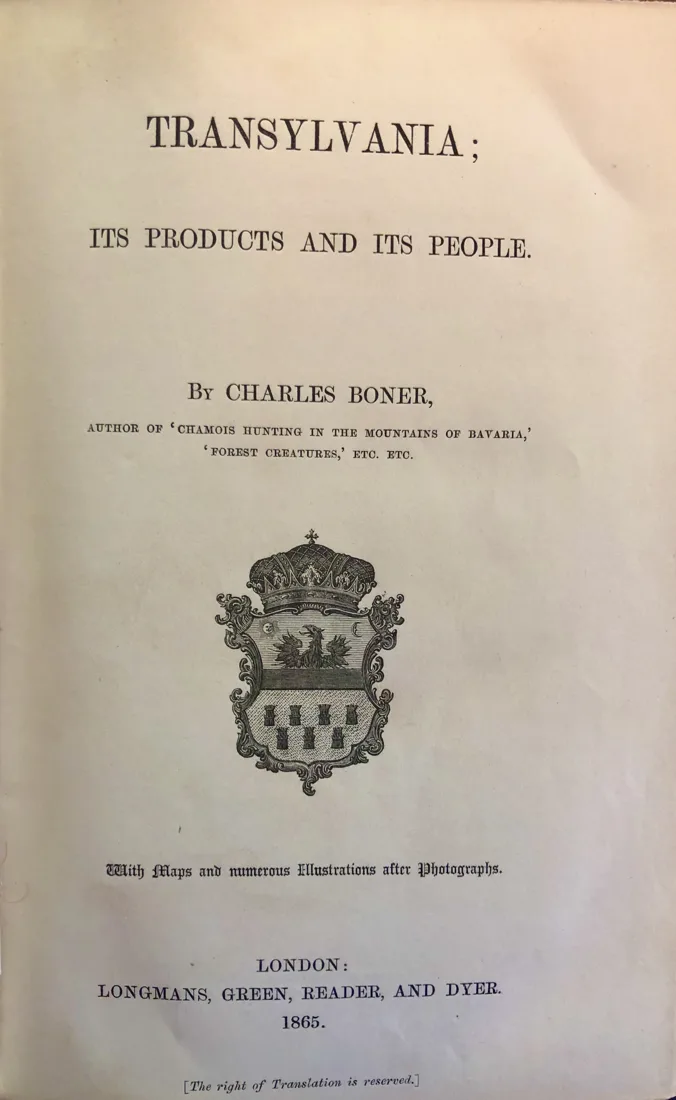
The English travel writer’s Transylvania: Its Products and Its People (1865) offered descriptions, illustrations and maps of a region Bram never visited. It belongs to the travel literature through which he constructed a convincing foreign setting, alongside the work of Wilkinson and Gerard.

The Estate reproduces Boner’s map and the engraving of “Castle of Terzburg”, now usually called Bran Castle. These are useful source objects, but an illustration’s presence in a book is not proof that the building was the model for Castle Dracula. Read the digitised book; the image here shows its title page rather than a portrait of the author.
Explore elsewhere: What inspired Dracula · Castles and the evidence

Emily Gerard

1849–1905

The Scottish writer’s account of Transylvanian folklore gave Bram material he could transform into fiction. Her essay “Transylvanian Superstitions” appeared in 1885, followed by The Land Beyond the Forest in 1888. Her descriptions helped bring local beliefs and the term “nosferatu” into the English-language reading from which Dracula emerged.

Gerard had lived in the region through her husband’s military postings. Her importance here is as an author Bram read, rather than as an established personal acquaintance. Explore how Bram built his Transylvanian setting, distinguishing the source writer’s observations from the novel’s imaginative use of them.
Explore elsewhere: Bram’s research reading

Robert Louis Stevenson

1850–1894

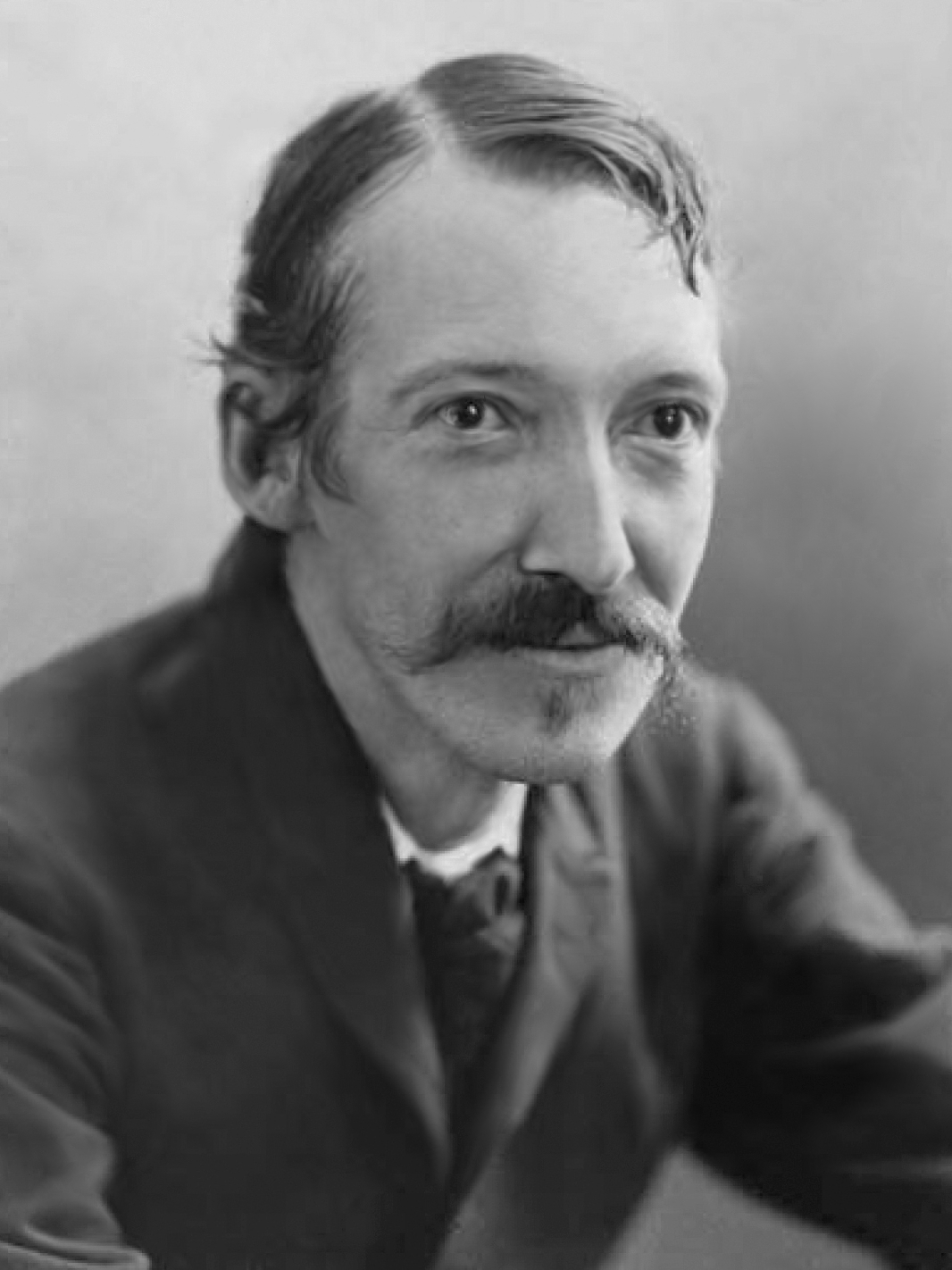
Stevenson was a close contemporary of Bram, and Strange Case of Dr Jekyll and Mr Hyde (1886) offers a powerful comparison for Dracula: respectable appearances, hidden danger and the difficulty of explaining what a witness has seen. That literary comparison also has a concrete theatrical setting.

In August 1888 Richard Mansfield performed T. R. Sullivan’s stage adaptation of Dr Jekyll and Mr Hyde at the Lyceum, the theatre Bram managed. A programme dated 11 August 1888 survives from the run. Stevenson was then travelling in the Pacific, visiting the Marquesas between July and September. The run opened on 4 August; three days later Martha Tabram was murdered in Whitechapel, and as the killings continued some newspapers compared the unknown murderer with Jekyll and Hyde. The preface to the Icelandic version of Dracula, Makt Myrkranna (1901), mentions the Ripper murders, but whether Bram wrote that preface, and which crimes it means, are both disputed.

Bram also wrote to Stevenson’s collaborator William Ernest Henley on 25 June 1884. Henley has his own entry on this page.
Explore elsewhere: The Lyceum’s working life · Jekyll and Hyde: primary reading text

Sabine Baring-Gould

1834–1924

The clergyman, novelist and collector of folklore wrote The Book of Were-Wolves (1865), one of the supernatural studies associated with Bram’s research. His range extended across legend, religious writing and folk song: material that helps place Dracula within a wider nineteenth-century curiosity about belief and the unexplained.

Bram’s research reading included The Book of Were-Wolves and other Baring-Gould titles. Markings in candidate copies correspond with his research notes; their identification as his work comes from the London Library’s research.
Explore elsewhere: Bram’s source reading

Sarah Grand

1854–1943

Born Frances Bellenden Clarke, Grand was the novelist associated with the “New Woman” debate of the 1890s. The Heavenly Twins (1893) helped make her a public voice in discussions of marriage, sexual double standards and women’s independence. That setting gives context to Mina and Lucy’s references to “New Women”.

Grand also wrote to Florence Stoker on 4 August 1906. Explore Mina and the New Woman for the literary questions raised by the novel.

Wilkie Collins

1824–1889

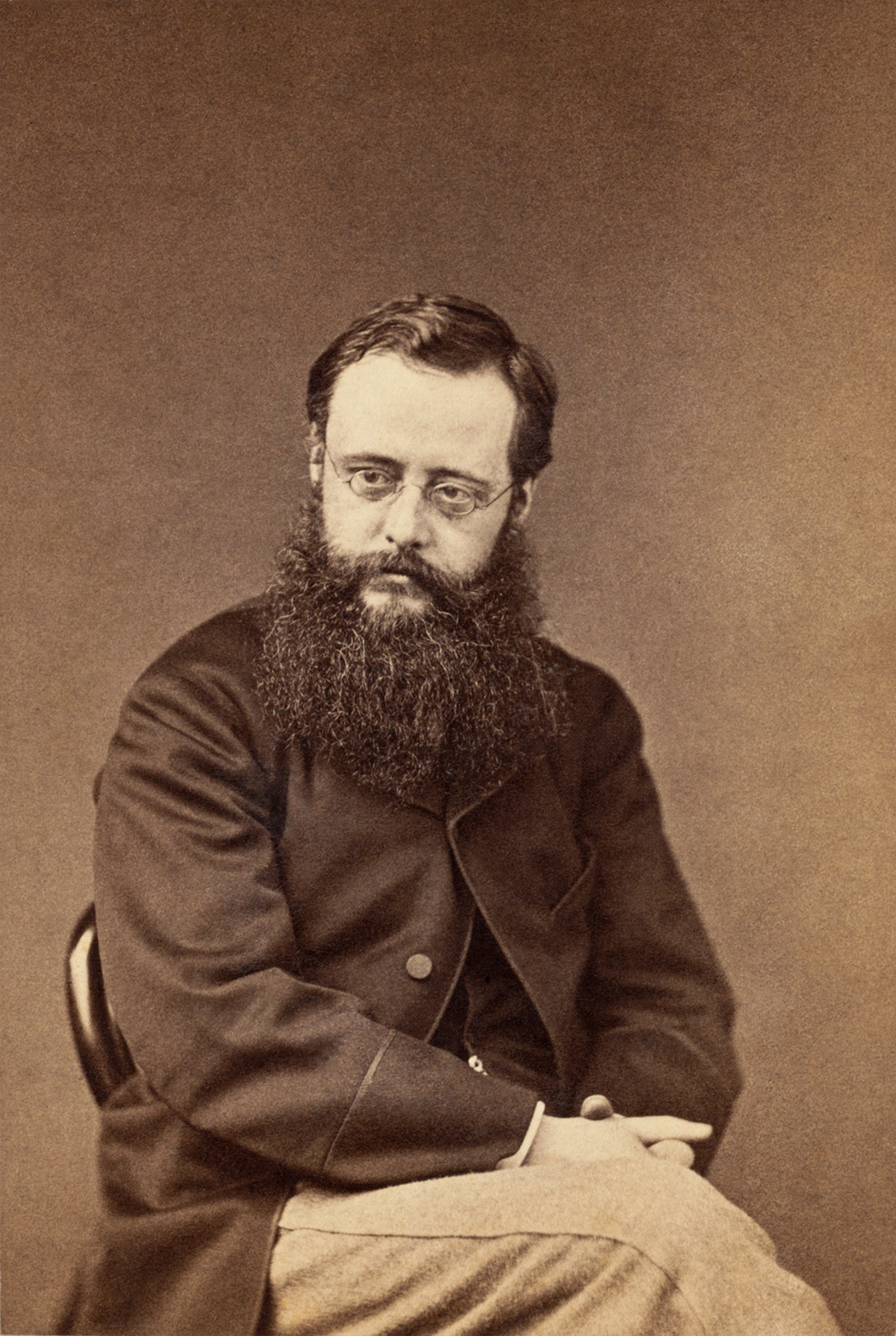
Collins’s sensation fiction provides a useful way into Dracula’s letters, journals and competing witnesses. The Woman in White and The Moonstone make the assembling of evidence part of the reader’s experience. Reviewers and later scholars used Collins as a point of comparison when describing Bram’s narrative method.

The history of Dracula criticism follows that comparison into twentieth-century scholarship. Collins belongs here as a literary predecessor and contemporary context; a comparison of technique does not establish a particular private exchange or a single source for Bram’s novel.
Explore elsewhere: Reading Dracula’s documents

William Wilkinson

British consul and author; Account published 1820

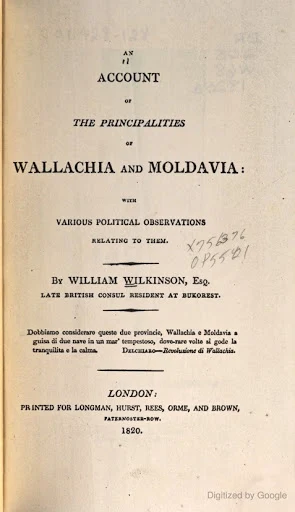
Wilkinson’s An Account of the Principalities of Wallachia and Moldavia supplied a particularly consequential piece of Bram’s research. A footnote explained the name “Dracula”, which Bram copied into his notes during his Whitby research. The book’s appearance in the story of the novel should not be confused with a personal meeting between the two men.

Read about the research sources and view the London Library’s catalogued copy. The name’s use in the finished novel is clear; the extent to which it brought a detailed historical model for the Count is a separate question. The illustration here is the book’s title page, not a portrait of Wilkinson.
Explore elsewhere: The sources behind Dracula

Sources

Sources are grouped alphabetically by person. Catalogue links open the public record and its institutional reference. Related correspondence is distinguished from the sources for particular accounts; a catalogue record does not mean that a full text or scan is available. Direct sources and picture credits remain linked below.

George Alexander

Back to George Alexander ↑

F. Anstey (Thomas Anstey Guthrie)

Back to F. Anstey (Thomas Anstey Guthrie) ↑

Sabine Baring-Gould

Back to Sabine Baring-Gould ↑

Sarah Bernhardt

Back to Sarah Bernhardt ↑

David Bispham

Back to David Bispham ↑

Charles Boner

Back to Charles Boner ↑

Mary Elizabeth Braddon

Back to Mary Elizabeth Braddon ↑

Mary Cora Brown-Potter

Back to Mary Cora Brown-Potter ↑

Angela, Baroness Burdett-Coutts

Back to Angela, Baroness Burdett-Coutts ↑

Francis Cowley Burnand

Back to Francis Cowley Burnand ↑

Sir Edward Burne-Jones
Sir Philip Burne-Jones

Back to Sir Philip Burne-Jones ↑

Richard and Isabel Burton
Hall Caine

Back to Hall Caine ↑

Sir Winston Churchill

Back to Sir Winston Churchill ↑

William F. “Buffalo Bill” Cody
  • Picture: Buffalo Bill Cody — Supplied from the Bram Stoker Estate records. Original image source not yet confirmed

Back to William F. “Buffalo Bill” Cody ↑

Wilkie Collins

Back to Wilkie Collins ↑

Edith Craig

Back to Edith Craig ↑

William De Morgan

Back to William De Morgan ↑

Thomas Donaldson
Edward Dowden

Back to Edward Dowden ↑

Hester Dowden

Back to Hester Dowden ↑

Arthur Conan Doyle

Back to Arthur Conan Doyle ↑

Albert Edward, Prince of Wales

Back to Albert Edward, Prince of Wales ↑

Johnston Forbes-Robertson

Back to Johnston Forbes-Robertson ↑

Emily Gerard

Back to Emily Gerard ↑

Sir W.S. Gilbert

Back to Sir W.S. Gilbert ↑

William Gladstone

Back to William Gladstone ↑

Sarah Grand

Back to Sarah Grand ↑

William Heinemann

Back to William Heinemann ↑

W. E. Henley

Back to W. E. Henley ↑

Henry Irving

Back to Henry Irving ↑

Madge and William Kendal

Back to Madge and William Kendal ↑

Sheridan Le Fanu

Back to Sheridan Le Fanu ↑

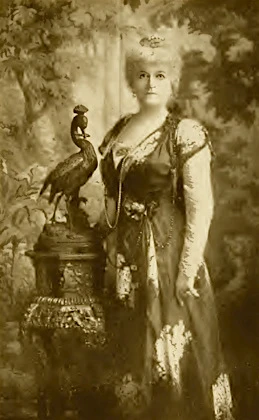
Frank Leslie (Baroness de Bazus)

Back to Frank Leslie (Baroness de Bazus) ↑

Franz Liszt

Back to Franz Liszt ↑

George du Maurier

Back to George du Maurier ↑

Frank Miles

Back to Frank Miles ↑

Frank Frankfort Moore

Back to Frank Frankfort Moore ↑

Walter Osborne

Back to Walter Osborne ↑

Sir Arthur Wing Pinero

Back to Sir Arthur Wing Pinero ↑

James Whitcomb Riley

Back to James Whitcomb Riley ↑

Theodore Roosevelt

Back to Theodore Roosevelt ↑

John Singer Sargent

Back to John Singer Sargent ↑

George Bernard Shaw

Back to George Bernard Shaw ↑

Dr George Ferdinand Shaw

Back to Dr George Ferdinand Shaw ↑

Clement Shorter

Back to Clement Shorter ↑

Pamela Colman Smith

Back to Pamela Colman Smith ↑

Sir Henry Morton Stanley

Back to Sir Henry Morton Stanley ↑

Robert Louis Stevenson

Back to Robert Louis Stevenson ↑

Jane T. Stoddart

Back to Jane T. Stoddart ↑

Sir Arthur Sullivan

Back to Sir Arthur Sullivan ↑

Alfred, Lord Tennyson

Back to Alfred, Lord Tennyson ↑

William Terriss

Back to William Terriss ↑

Ellen Terry

Back to Ellen Terry ↑

Mark Twain (Samuel Clemens)

Back to Mark Twain (Samuel Clemens) ↑

Ármin Vámbéry

Back to Ármin Vámbéry ↑

Dame Genevieve Ward

Back to Dame Genevieve Ward ↑

James McNeill Whistler

Back to James McNeill Whistler ↑

Walt Whitman

Back to Walt Whitman ↑

Lady Jane Wilde, “Speranza”

Back to Lady Jane Wilde, “Speranza” ↑

Oscar and Constance Wilde

Back to Oscar and Constance Wilde ↑

Sir William Wilde
  • Picture: Sir William Wilde (1815–1876) — Supplied from the Bram Stoker Estate records. Original image source not yet confirmed

Back to Sir William Wilde ↑

Willie Wilde
William Wilkinson

Back to William Wilkinson ↑