
US high-school study
The text, chapter map and chronology
No single narrator tells Dracula. This map covers all 27 chapters: the dates covered, the documents and their writers, the events and a focus for study. Select a chapter number in the left-hand column to read that chapter in full. Open “Key details and passages” for a closer look.
How to read the dates. Chapters overlap and move back in time: the table follows the order of the book, not a single uninterrupted timeline. Dates refer to entries and the events they cover; earlier embedded records are identified separately where needed. The main records run from 3 May to 6 November in an unnamed year, with Jonathan’s final note seven years later. Chapter 1 also recalls his departure from Munich on 1 May.
For a reader’s version without plot details, see Reading Dracula. This page describes the full plot.
Printable version: Chapter map and timeline (PDF).
Part one: the castle (Chapters 1–4)
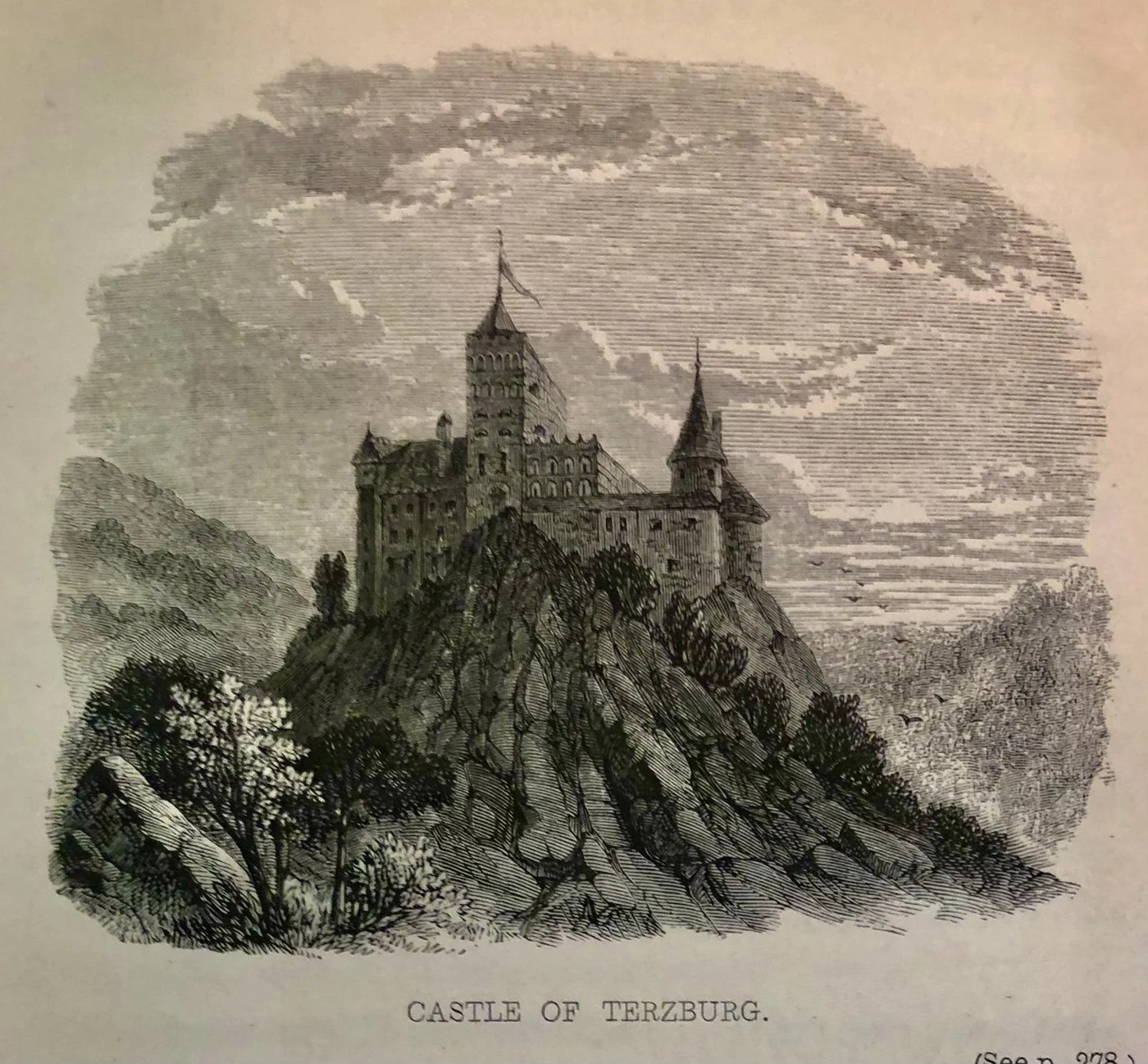

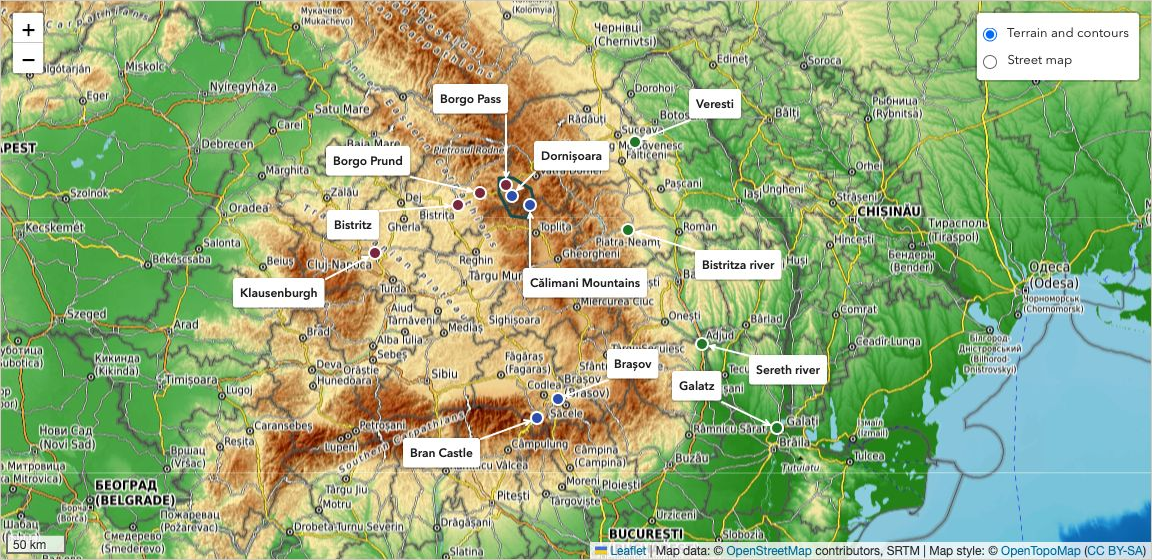
Where is Castle Dracula? →
| Chapter | Dates covered | Documents | What happens | Focus for study |
|---|---|---|---|---|
| 1 | 3–5 May (journey begins 1 May) | Jonathan Harker’s journal (shorthand) | Harker travels from Munich through Klausenburgh and Bistritz to the Borgo Pass; the landlady’s crucifix, the coach passengers’ gifts, the driver with the red eyes, the blue flames, the wolves. Key details and passagesJonathan’s journal is kept in shorthand. Before travelling he researches Transylvania in the British Museum library, but cannot locate the castle precisely. He notes the paprika hendl recipe for Mina. At Bistritz the landlady warns that it is the eve of St George’s Day and gives him a crucifix. The quoted line about the dead travelling fast comes from Bürger’s ballad Lenore; Walpurgis Night belongs to the separately published “Dracula’s Guest”. | The travelogue voice; precise detail against mounting unease; “the dead travel fast”. |
| 2 | 5–8 May | Harker’s journal | Arrival at the castle. The Count’s welcome, his English, his history of his race; no servants, no mirrors; the shaving-glass and the cut; “The castle is a veritable prison, and I am a prisoner!” Key details and passagesThe Count welcomes Jonathan with “Enter freely and of your own will!” and delights in the wolves as “the children of the night”. Jonathan sees no reflection of him in the shaving mirror; the Count throws the mirror from the window, and recoils when he touches Jonathan’s crucifix. Jonathan sees his host doing household work and suspects there are no servants. The Count studies English, Bradshaw’s Guide, Whitaker’s Almanac and other reference works. The Carfax property at Purfleet is described as adjoining a private asylum. Hospitality ends in Jonathan’s recognition that he is a prisoner. The Count introduces himself with “I am Dracula; and I bid you welcome, Mr. Harker, to my house.” The greeting becomes a claim of hospitality that the imprisonment of his guest contradicts. | Hospitality turned to captivity; the Count as courteous host; dramatic irony. |
| 3 | 8–16 May | Harker’s journal | The Count’s pride in the Szekelys; Harker made to write letters on business only; the Count crawling down the wall; the three women and the “wicked, burning desire”; the bag with the child. Key details and passagesJonathan sees the Count crawling head down along the castle wall, “just as a lizard moves along a wall”. Three women approach him while he lies in a forbidden room. He writes to Mina in shorthand in the hope that it will puzzle the Count, but a private code cannot by itself secure the post or his freedom. The Count identifies himself with the Szekelys and claims Attila’s blood; Jonathan records this as the Count’s own account of his ancestry, not an independently verified genealogy. | Desire and disgust; “nineteenth century up-to-date with a vengeance” against “the old centuries”. |
| 4 | 16 May – 30 June | Harker’s journal | The three post-dated letters; Harker’s own letters stolen; the Count in Harker’s clothes; the mother at the gate and the wolves; the chapel and the boxes of earth; the Count in his box, “gorged with blood”; Harker’s attempt with the shovel and his resolve to climb down. Key details and passagesThe Count makes Jonathan write three letters with future dates, creating a false account of his departure. In the chapel Jonathan finds him resting in a box of earth. Jonathan tries to strike him with a shovel. His remaining hope is to climb down the castle wall. | The Count’s plan for England revealed through Harker’s eyes; the first break in narrative, since Harker’s fate is unknown for several chapters. |
Part two: Whitby and London (Chapters 5–9)
| Chapter | Dates covered | Documents | What happens | Focus for study |
|---|---|---|---|---|
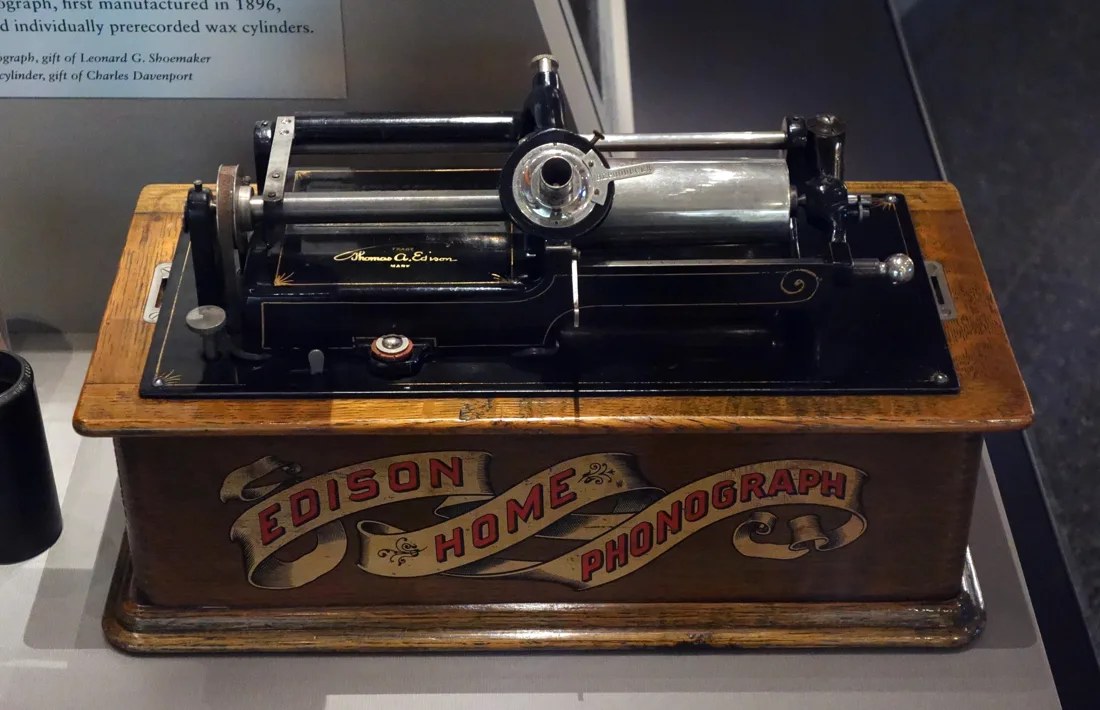
| 5 | 9–26 May | Letters, Mina to Lucy and Lucy to Mina; Dr Seward’s phonograph diary; letter, Quincey Morris to Arthur Holmwood; telegram, Arthur Holmwood to Quincey P. Morris | Mina practises shorthand to help Jonathan. Lucy receives three proposals in one day: “Why can’t they let a girl marry three men, or as many as want her, and save all this trouble?” Seward first describes Renfield. Key details and passagesMina describes herself as an assistant schoolmistress and says she practises shorthand and typewriting. Lucy writes to Mina about three proposals in one day, from Seward, Quincey and Arthur; she chooses Arthur. Her wish that a girl might marry three men is immediately qualified as “heresy”. Seward’s diary is introduced as kept on a phonograph. | Change of voice and form; the women’s letters; the New Woman question opens. |
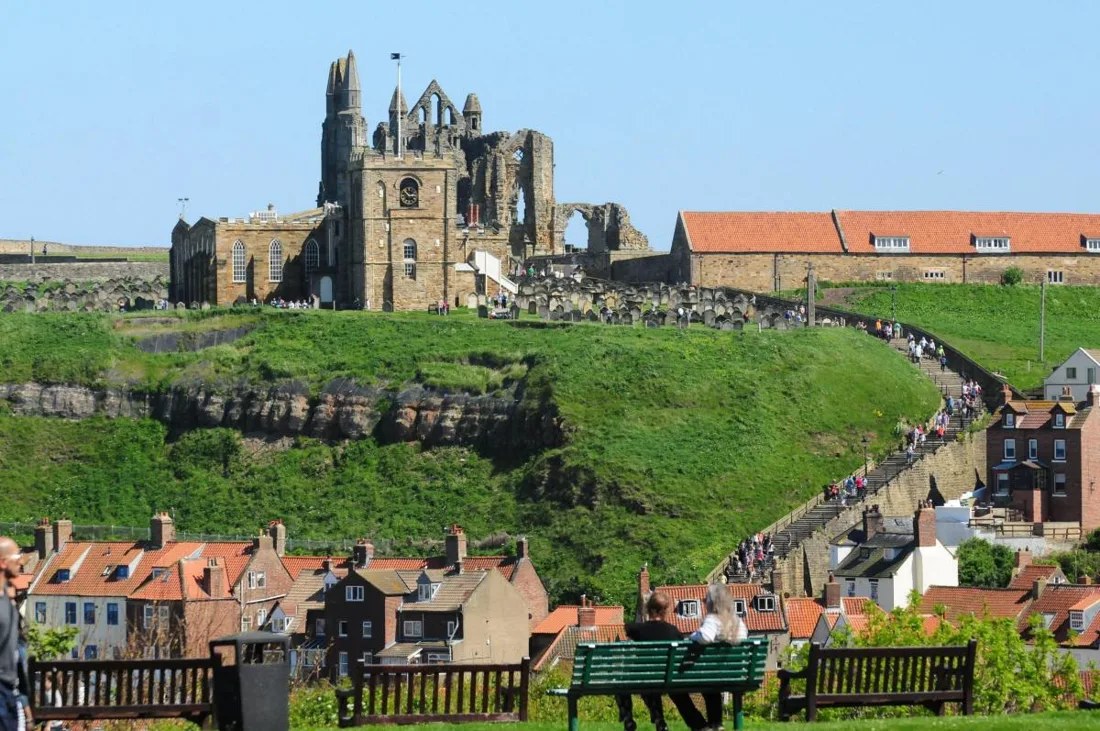
| 6 | 5 June – 6 August (Mina: 24 July – 6 August; Seward: 5 June – 20 July) | Mina Murray’s journal; Seward’s diary | Mina at Whitby: the harbour, the abbey, St Mary’s churchyard, Mr Swales and the lies on gravestones. Renfield’s flies, spiders and sparrows: a “zoöphagous (life-eating) maniac”. Lucy sleepwalks. Key details and passagesMina meets the elderly Mr Swales at Whitby. Seward records Renfield collecting flies, then spiders and sparrows, feeding smaller creatures to larger ones and asking for a kitten. He calls him a “zoöphagous (life-eating) maniac”: the phrase is Seward’s attempted classification, not the patient’s own account. Arthur is identified as Lord Godalming’s only son. After keeping flies, spiders and sparrows, Renfield asks Seward for a kitten and then a full-grown cat. Seward refuses, suspecting that he wants the cat to eat the birds. | Setting built from a real place; Renfield as a parallel plot; superstition and local speech. |
| 7 | 8–10 August; ship’s log covers 6 July – 4 August | Cutting from The Dailygraph; log of the Demeter; Mina’s journal | The storm and the wreck; the dead captain lashed to the wheel; the log of the crew’s disappearance one by one; the great dog leaping ashore; the funeral. Key details and passagesThe Dailygraph cutting of 8 August is pasted in Mina’s journal. Inside it, the captain’s log reaches the reader through a translation dictated by the Russian consul’s clerk to the correspondent. The Demeter arrives at Whitby in a storm with its captain dead and tied to the wheel; the other crew members have disappeared or died. An immense dog leaps ashore. Its cargo includes boxes of earth. The storm can be read as reflecting the approaching horror, while the nested documents complicate any claim that the log reaches us unmediated. | Public documents against private ones: what a newspaper can know; the log as a found text. |
| 8 | 10–21 August | Mina’s journal; letters between solicitors and carriers; letter from Sister Agatha; Seward’s diary | Mina finds Lucy in the churchyard with a tall dark figure bending over her; the two marks on Lucy’s throat; business letters trace the boxes to Carfax; Jonathan is found in a Budapest hospital. Renfield escapes to Carfax: “I am here to do Your bidding, Master.” Key details and passagesLucy sleepwalks, and Mina finds her on their churchyard seat at Whitby with a dark figure bending over her. Sister Agatha writes from the Hospital of St Joseph and Ste Mary in Buda-Pesth about Jonathan’s illness. Mina also speculates, humorously, that the New Woman may one day do the proposing herself: identify the speaker and situation before treating that comment as the author’s view. | The chase of evidence through ordinary paperwork; dramatic irony at its strongest. |
| 9 | 20 August – 6 September | Letters, Mina and Lucy; Seward’s diary; Lucy’s diary; letters and telegrams between Seward, Holmwood and Van Helsing | Mina marries Jonathan in Budapest and seals his journal. Lucy’s decline at Hillingham. Van Helsing is summoned from Amsterdam and examines Lucy. Key details and passagesMina joins Jonathan in Buda-Pesth and they marry while he is recovering. She initially wraps and seals his Transylvanian journal as a sign of trust. Seward writes to his old friend and teacher Professor Van Helsing in Amsterdam about Lucy. The correspondence establishes their prior relationship, rather than introducing Van Helsing as Lucy’s regular family doctor. | Marriage and trust; medicine arrives as the dominant discourse; the telegram as a narrative device. |
Part three: Lucy (Chapters 10–16)

Read Chapter 10: Lucy’s treatment →
| Chapter | Dates covered | Documents | What happens | Focus for study |
|---|---|---|---|---|
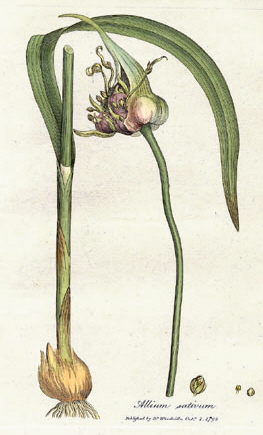
| 10 | 6–11 September | Letter, Seward to Holmwood; Seward’s diary; Lucy’s diary | The first transfusions, from Arthur and then Seward; the garlic flowers; Van Helsing’s silence about his suspicions. Key details and passagesArthur gives the first transfusion, arriving after Seward has offered to act as donor. Seward, Van Helsing and Quincey also give blood during Lucy’s treatment across Chapters 10–12. Van Helsing surrounds Lucy with garlic flowers as a protective measure; the flowers are not merely a decorative gift. | Blood as a transaction between men; science and folk remedy side by side. |
| 11 | 12–18 September | Lucy’s diary; Seward’s diary; The Pall Mall Gazette on the escaped wolf; telegram; Lucy’s memorandum | Van Helsing gives his own blood; Mrs Westenra removes the garlic; the wolf Bersicker breaks the window; Lucy’s mother dies; the maids are drugged; Lucy’s memorandum written as she waits. Renfield attacks Seward: “The blood is the life!” Key details and passagesLucy’s mother removes the garlic and opens the window, believing that she is helping. Later a wolf breaks the window and the shock kills her; Lucy finds the servants unconscious after drinking drugged wine. The Pall Mall Gazette report “The Escaped Wolf” interviews the keeper Thomas Bilder about Bersicker. Van Helsing’s urgent telegram of 17 September is misdirected to Carfax, Sussex, and delivered twenty-two hours late. Seward also records Renfield attacking him and repeating “The blood is the life!” | Comedy and horror together (the zoo-keeper interview); a dying woman’s own testimony. |
| 12 | 17–20 September (includes Mina’s letter of 17 September) | Seward’s diary; letters from Mina; Patrick Hennessey’s report | Quincey gives blood; Lucy’s teeth lengthen; the voluptuous voice; her death, which seems to give back her beauty. Van Helsing: “It is only the beginning!” Key details and passagesLucy dies after Van Helsing prevents Arthur from accepting her invitation to kiss her. Arthur’s father also dies during this part of the story, so Arthur succeeds to the title Lord Godalming. The separate illnesses, telegrams, letters and diary entries need to be read in sequence rather than compressed into one scene. | The transformation of Lucy’s body and language; the four men’s bond. |
| 13 | 22–25 September | Seward’s diary; Mina’s journal; The Westminster Gazette on the “Bloofer Lady” | Lucy’s funeral; Van Helsing’s hysterical laughter in the carriage afterwards; Mina and Jonathan see the Count in Piccadilly, grown younger; children are lured on Hampstead Heath. Key details and passagesThe Westminster Gazette reports the “Hampstead Horror” and the children’s accounts of a “bloofer lady”. Mina records Jonathan recognising a younger-looking Count in Piccadilly. These are distinct moments: the children’s reports concern Lucy’s transformed existence, while the London sighting reawakens Jonathan’s memories of the castle. | How the group begins to converge; newspaper reports as clues; the Count in daylight London. |
| 14 | 23–26 September | Mina’s journal; letters and telegrams between Mina and Van Helsing; Jonathan’s journal; Seward’s diary | Mina transcribes Jonathan’s journal; Van Helsing reads it and believes it; he tells Seward that the children’s wounds were made by Lucy. “it is the fault of our science that it wants to explain all” Key details and passagesMina reads and types Jonathan’s journal after his disturbing London recognition. At their first meeting Van Helsing calls her one of life’s “lights”. In conversation with Seward he asks him to believe “in things that you cannot”; their discussion names the French neurologist Charcot in connection with hypnotism. The passage asks what will count as knowledge, rather than simply dismissing science. | The dossier begins; knowledge shared for the first time; the limits of science stated. |
| 15 | 26–29 September | Seward’s diary; Van Helsing’s note | The tomb visited twice; the empty coffin; the child in the churchyard; Lucy seen in her tomb, more beautiful than in life. Key details and passagesSeward and Van Helsing find Lucy’s coffin empty at night. The discovery, their observations of the children and Lucy’s return force Seward to reconsider his earlier explanations. Record which observer knows what at each visit: the reader’s developing understanding is not identical to Seward’s. | Evidence and belief: Seward as the resistant witness. |
| 16 | 29 September | Seward’s diary | The “Bloofer Lady” confronted; “Come to me, Arthur”; Arthur drives the stake; Lucy’s face returns to “sweetness and purity”; the pact to hunt the Count. Key details and passagesArthur drives the stake through the Un-Dead Lucy’s heart while Van Helsing reads the prayer. The men then remove her head and put garlic in her mouth. They understand these actions as releasing her; students can examine both that stated purpose and the violent language and actions through which it is represented. | The novel’s most discussed scene; gender, violence and restoration. |
Part four: the alliance (Chapters 17–22)
How Mina makes the records usable →
| Chapter | Dates covered | Documents | What happens | Focus for study |
|---|---|---|---|---|
| 17 | 29–30 September | Seward’s diary; Mina’s journal; Jonathan’s journal | Mina arrives at the asylum, typewrites Seward’s phonograph cylinders and arranges every record in order; “the world seems full of good men”. Jonathan traces the boxes. Key details and passagesSeward cannot readily pick out a particular part of his phonograph diary. Mina transcribes it using manifold paper and makes three copies. She wants the records put in chronological order, so that dates connect apparently separate experiences. Her contribution involves retrieval, comparison and circulation of information, not typing alone. | Mina as compiler: the book we read is being made inside the story. |
| 18 | 30 September – 1 October | Seward’s diary; Mina’s journal | Mina meets Renfield, who speaks lucidly. Van Helsing’s lecture on the vampire’s powers and limits; “We have on our side power of combination”. The men decide to exclude Mina: “She has man’s brain... and a woman’s heart.” Renfield begs to be released. Key details and passagesVan Helsing praises Mina’s “man’s brain” and “woman’s heart”, then the men decide to exclude her from the immediate dangers. Renfield asks to leave the asylum. Mina introduces Quincey as being from Texas. Van Helsing’s account of vampire limits includes an initial invitation from someone in the household; daylight restricts the Count, but does not instantly destroy him. These are rules presented through a character’s explanation and the group’s observations. Van Helsing says that a branch of wild rose laid on a vampire’s coffin prevents it from leaving. This particular rule differs from the garlic protections used elsewhere in the novel; he invokes the wild rose again when planning to intercept the Count’s box in Chapter 24. | The rules of the vampire set out; the exclusion of Mina and its consequences. |
| 19 | 1–2 October | Jonathan’s journal; Seward’s diary; Mina’s journal | The men enter Carfax; the rats; 29 of the 50 boxes remain. Mina, alone, sees mist at her window and dreams of a white face and red eyes. Key details and passagesWhen the men search the chapel at Carfax, only twenty-nine of the original fifty earth boxes remain. Rats confront them, and Arthur’s terriers help drive them away. The missing boxes become a practical problem of deliveries, addresses and additional refuges. | Mina’s narrative turns inward; the reader sees what the men refuse to. |
| 20 | 1–2 October; continues into the night of 2–3 October | Jonathan’s journal; Seward’s diary; letter from the estate agents | Jonathan traces boxes to Bermondsey, Mile End and Piccadilly. Renfield’s conversation about souls; the attendant finds him on the floor “all covered with blood” (his account and death follow in Chapter 21). Key details and passagesJonathan questions people involved in moving the boxes and follows their destinations through commercial records. The report of Renfield’s serious injury arrives at the end of this chapter; the examination and operation are described in Chapter 21. Keep the first report separate from the later account of what caused the injuries. | London geography as plot; Renfield’s lucidity and its limits. |
| 21 | 3 October | Seward’s diary | Renfield’s deathbed account; the men break into the Harkers’ room: the Count forcing Mina to drink from his breast, “a child forcing a kitten’s nose into a saucer of milk”. “Unclean, unclean!” Key details and passagesRenfield tells how he admitted the Count with the words “Come in, Lord and Master!” He turns against him when he realises Mina is being harmed. During the bedroom attack Dracula forces Mina to drink blood from his chest. Her words about being “Unclean” and not touching or kissing Jonathan belong to this immediate aftermath, before the different cry following the Wafer in Chapter 22. | The novel’s central act of violation; Mina’s shame; Jonathan’s hair turns white. |
| 22 | 3 October | Jonathan’s journal | The Host scars Mina’s forehead. The boxes at Carfax and Piccadilly are sterilised; the Count’s papers found. Key details and passagesThe Sacred Wafer burns Mina’s forehead. Her cry that even the Almighty shuns her polluted flesh follows this event, not the earlier bedroom scene. Pieces of the Wafer are used to make the Count’s earth boxes unusable. Mina’s insistence that “There must be no concealment” also belongs to this chapter. | The sacred against the undead; the documentary trail closes in. |
Part five: the pursuit (Chapters 23–27)
| Chapter | Dates covered | Documents | What happens | Focus for study |
|---|---|---|---|---|
| 23 | 3–4 October | Seward’s diary; Jonathan’s journal | The Count confronted in Piccadilly: “Your girls that you all love are mine already.” Mina asks to be hypnotised at dawn and hears water and sails: the Count is at sea. Key details and passagesAt Piccadilly Jonathan’s knife cuts the Count’s coat, scattering money, rather than destroying him. Dracula escapes and threatens revenge over centuries. Mina’s hypnosis at dawn supplies sounds of water and shipboard activity, not a complete view of the Count’s destination. | His only speech made directly to the men; Mina turns her wound into an instrument. |
| 24 | 4–6 October | Seward’s phonograph diary spoken by Van Helsing; Jonathan’s and Mina’s journals | The Czarina Catherine sails for Varna. Van Helsing explains why the Count has fled and why he must be followed; Mina insists on going with them. Key details and passagesThe opening phonograph diary is spoken by Van Helsing, although the heading names Seward’s recording system. The hunters identify the Czarina Catherine as the ship carrying the Count from London towards the Black Sea, expecting his box to be landed at Varna. Do not confuse this return voyage with the Demeter arriving at Whitby. | Mina’s analytical voice; the shift from defence to pursuit. |
| 25 | 11–28 October | Seward’s diary; Jonathan’s journal; telegram | Mina extracts the men’s promise to kill her if she turns. In Varna; Mina classifies the Count: “a criminal and of criminal type. Nordau and Lombroso would so classify him.” The ship is diverted to Galatz. Key details and passagesThe party travels by the Orient Express to Varna, but a telegram reports the Czarina Catherine entering Galatz. Mina asks the men to destroy her if she becomes a vampire, and calls herself a “train fiend” when she knows the timetable. Her reference to Nordau and Lombroso draws on degeneration theory and criminal anthropology; it should be read as a historically situated explanation, not a neutral diagnosis endorsed by the Estate. Sunrise and sunset give Mina temporary freedom from the Count’s control. Van Helsing uses those moments for hypnosis, although the connection becomes harder to use during the pursuit. | Degeneration theory in the characters’ mouths; the euthanasia promise. |
| 26 | 29 October – 4 November | Seward’s diary; Mina’s journal and memorandum; Jonathan’s journal | At Galatz; Mina’s memorandum, a formal “ground of inquiry”, works out the river route by a process of exclusion; the party divides: launch, horseback, and Mina with Van Helsing by carriage towards the Borgo Pass. Key details and passagesMina reconstructs a probable water route along the Sereth and then the Bistritza towards the Borgo Pass. The hunters divide their routes, while Mina and Van Helsing approach the castle together. Her reasoning combines the documents, transport possibilities and geographical constraints; it is not a location simply revealed to her by hypnotism. | Modern logistics against ancient terrain; the geography of the final chase. |
| 27 | 1–6 November; note seven years later | Mina’s journal; Van Helsing’s memorandum; Jonathan’s journal; Seward’s diary; the final note | The three women destroyed in the castle; the Holy circle; the race to the box at sunset; Quincey’s death; the Count’s face at peace as he crumbles. The note: Quincey Harker, and “hardly one authentic document”. Key details and passagesVan Helsing makes a protective circle with the Sacred Wafer and destroys the three women in their tombs; his memorandum to Seward records that work. Just before sunset Jonathan’s kukri cuts the Count’s throat and Quincey’s bowie knife enters his heart. Quincey dies from his wounds, having seen Mina’s forehead mark disappear. Jonathan’s final note looks back seven years later and commemorates Quincey in the child’s name. Its admission that the record contains hardly an authentic document qualifies the prefatory assurance of exactly contemporary testimony: typed copies can preserve accounts without furnishing publicly convincing original proof. | Endings: restoration, loss and doubt; what the final note asks us to believe. |
Chapter numbers and dates follow the 1897 text as reproduced by Project Gutenberg (ebook 345). A few editions divide chapters differently; check yours. The date inconsistencies within the novel (for example around Lucy’s funeral and the Westminster Gazette report) are the author’s own and are worth a class discussion in themselves.
Prepared by the Bram Stoker Estate. Page last updated 8 November 2026. Report a correction here.