resources
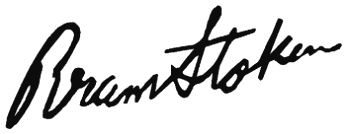
Meet Bram Stoker for Years 3–6
Bram Stoker created Count Dracula, one of the best-known characters in stories. But who was the person who imagined him? This page introduces Bram and the work of a writer through short activities for Years 3–6.
Meet Bram
Bram was born in Dublin in 1847. His full first name was Abraham, but people called him Bram. As a young man he studied, played sport and worked in an office. Later he moved to London and helped run a theatre. He also wrote stories.
His best-known book, Dracula, appeared in 1897. It tells its story through diaries, letters and other pieces of writing. Readers have to fit those pieces together, rather like a puzzle. Bram also wrote fairy tales collected in a book called Under the Sunset.
For teachers and families: this introduction does not require pupils to read the adult novel. Select any story or extract in advance for your class; some of Bram’s fairy tales are unsettling and contain dated language.
Be a history detective
A source is something that helps us learn about the past. A letter written by Bram is a different kind of source from a film made about him many years later.
- Look at a book cover on Other works. Write down three things you can see. Then write one question the cover cannot answer.
- Compare a photograph of a place with a description in a story. Which details belong to the real place, and which might the writer have imagined?
- Put these dates in order: Bram’s birth in 1847, Dracula’s publication in 1897, and today. How many years passed between his birth and the book’s publication?
Try writing a story in pieces
Imagine that a mysterious parcel arrives at school. Write a short diary entry from the person who finds it, a note from someone who heard a strange noise, and a letter asking for help. Each piece should reveal one new clue. You do not need a frightening ending.
Swap your three pieces with a partner. What does the reader know? What is still uncertain? Underline a detail that is evidence and circle a guess.
For teachers
Years 3–4: use oral storytelling, labelled observations and a short diary entry. Years 5–6: compare viewpoints and explain why a narrator may not know everything. Extend the activity by asking pupils to distinguish a fact, an inference and an imaginative choice.
Try the knowledge quiz. Explore archive sources for an adult-selected classroom example.