
Work
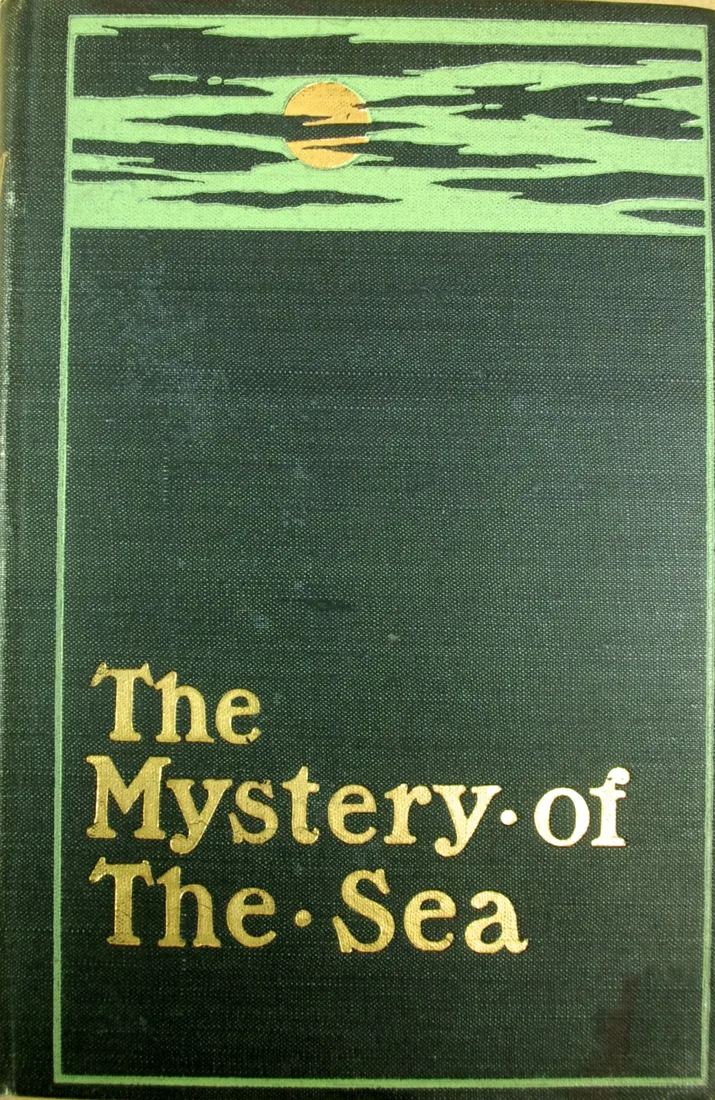
The Mystery of the Sea
Cruden Bay becomes the meeting place of second sight, secret writing, romance and a struggle over buried treasure.
Publication: 1902.
A holiday interrupted
Archibald Hunter comes to Cruden Bay expecting a quiet holiday. Instead, he encounters visions of death and the unsettling Gormala, who recognises in him the gift of second sight. His meeting with the American Marjory brings romance and a second web of mysteries: concealed identity, political danger and pursuit.
The novel combines supernatural experience with an adventure in which documents and practical investigation matter. A cipher and a story reaching back to the Spanish Armada bring the past into a modern coastal setting.
Two kinds of hidden knowledge
Hunter narrates fifty-three chapters. The early encounters with Gormala establish a mystery of perception: what does he see, and how should he understand it? The secret-writing plot presents a different problem, in which an apparently meaningless sequence may be decoded. These ways of knowing run alongside each other rather than forming separate stories.
What to look for
Compare a supernatural warning with a conclusion reached through observation or calculation. What evidence persuades Hunter, and what does he accept because another person tells him it is true? Watch how the shore, tides and darkness change what characters can see and do.
Marjory’s independence also deserves attention. Her practical skills and decisions complicate a simple division between the man who rescues and the woman who needs rescuing. Read her actions alongside Hunter’s account of them.
Reading the evidence
The number of short chapters allows the narrative to move between an immediate threat and a postponed explanation. Keep a note of what Hunter knows at each stage, rather than reading earlier uncertainties in the light of what is disclosed later. His experience of second sight and his work on a cipher ask readers to follow different routes to an answer.
The Scottish setting is part of the action. The sea can conceal, reveal or cut off access; a coastline that appears familiar in daylight becomes harder to interpret in darkness. Compare these passages with the real places on the Estate map, while keeping the novel’s imagined events distinct from evidence about Bram’s visits.
Cruden Bay: real place and fictional landscape
Cruden Bay is named in the opening sentence. The Estate’s places guide offers a route into the real coastline; the novel should be read as fiction, even where it uses recognisable names. A narrator’s memories of the place should not automatically be quoted as Bram’s own autobiography.
Publication and editions
The Mystery of the Sea appeared in 1902 with William Heinemann in London and Doubleday, Page in New York. Editions differ in extent, so identify the copy when citing pages. The linked Gutenberg transcription reproduces the London Heinemann text and its numbered chapter contents. Carol A. Senf’s 2007 Valancourt edition supplies the unabridged first-edition text with an introduction and notes.